There’s nothing better than reading a book set where you’re travelling. We love Grazia Deledda’s autobiography, Cosima. It paints a wonderful picture of growing up in Ogliastra’s inland town of Nuoro at the turn of the 20th Century. In it the life of shepherds and farmers, mountains, myths and women come alive.
The first woman to be awarded the Nobel prize for Literature, Grazia had no schooling past primary age and wrote initially in Sardinian, having lessons in Italian as an adult. We’re off to see her house in Nuoro.
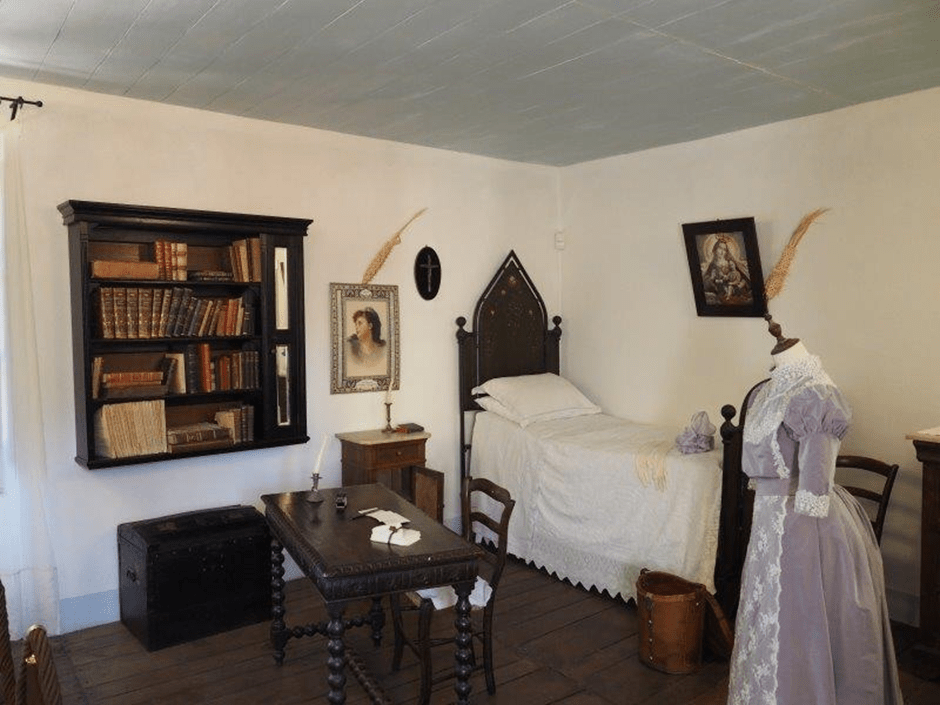
We recognise it all from her writing: the stout walled house; the pantry full of grapes hanging to be dried; baskets made of asphodel; beans of all sorts; cheeses smoking over the fire.

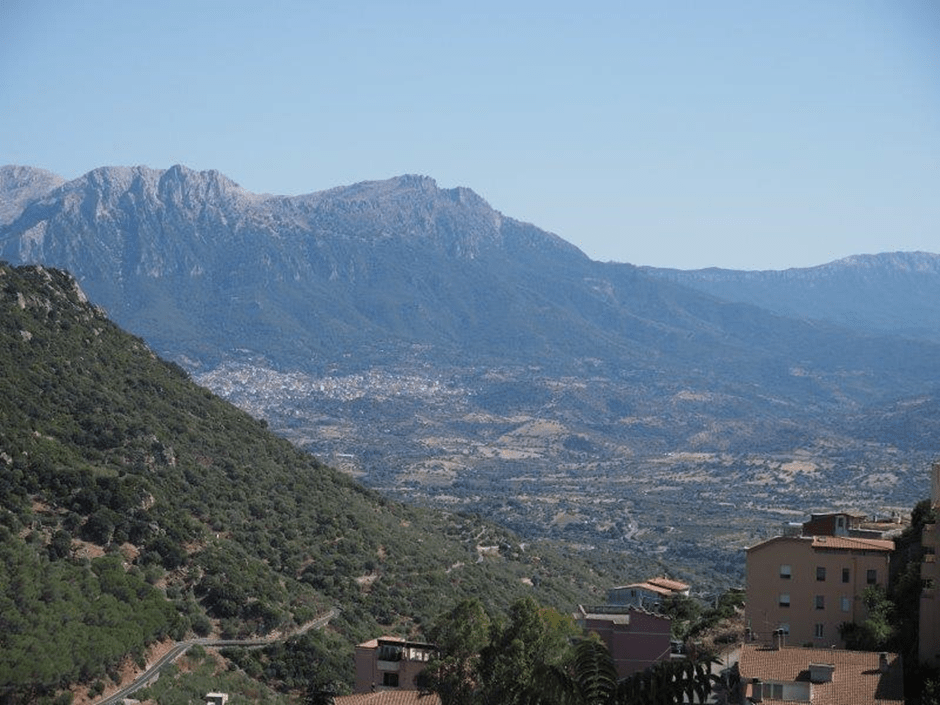
Nuoro is an unassuming mountain town with a peach blancmange of a cathedral. The van almost gets stuck in the old town’s narrow streets. Seán, cool as ever, reverses up the whole length of it, round mopeds, Pandas, cars parked at rakish angles to the parking spot I’ve spied at the cemetery. We mooch around the old town, take in the ring of mountains that surround it.
Cala Gonone
The green edged road to Dorgali, via Oliena, doesn’t even have a number on the map. Prickly pears, cheeky oleander and strawberry trees line the road; cork oaks, olive groves and vineyards cover the mountain foothills, bare peaks soaring high above us. It’s worth taking the slower road just for the view.
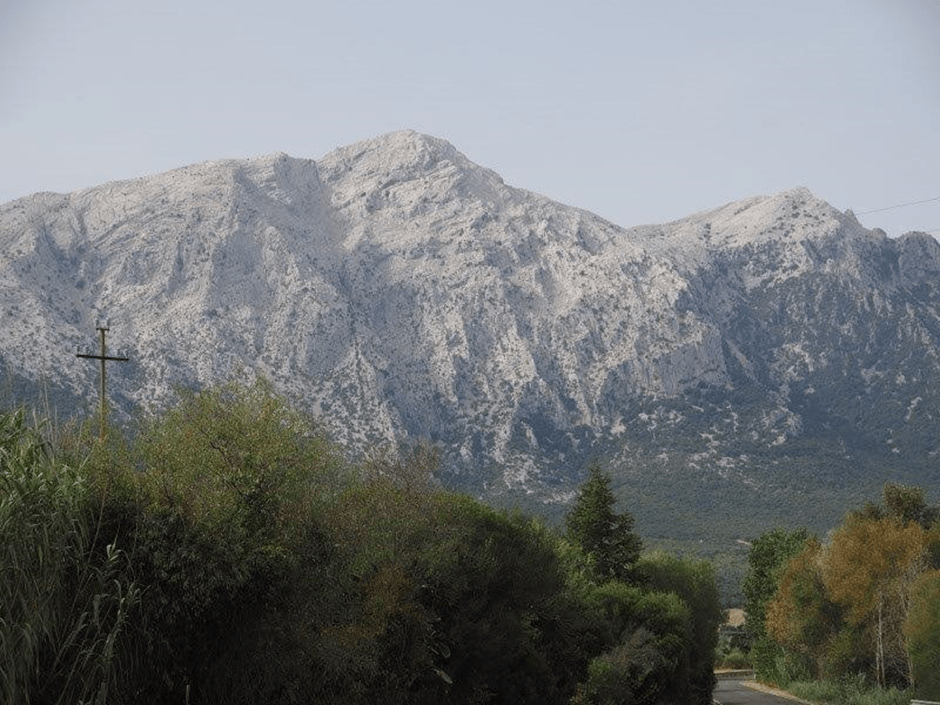
Dorgali is a cheerful town, a centre for crafts and Cannonau wines. Just east of it we drive through a tunnel in the sheer rock and there is the sea glittering far below us. The road jack-knives down past Nuraghic ruins to Cala Gonone’s port, bustling with excursion boats to the Blue Marino and Grotta del Fico caves.
It’s super-tourist time – I’ve never seen so many ice-cream shops in one place. But the sea front is beautifully tended with olive trees and oleanders lining a footpath along the craggy coast with russet shingle beaches and the cliffs coming right down to the sea.
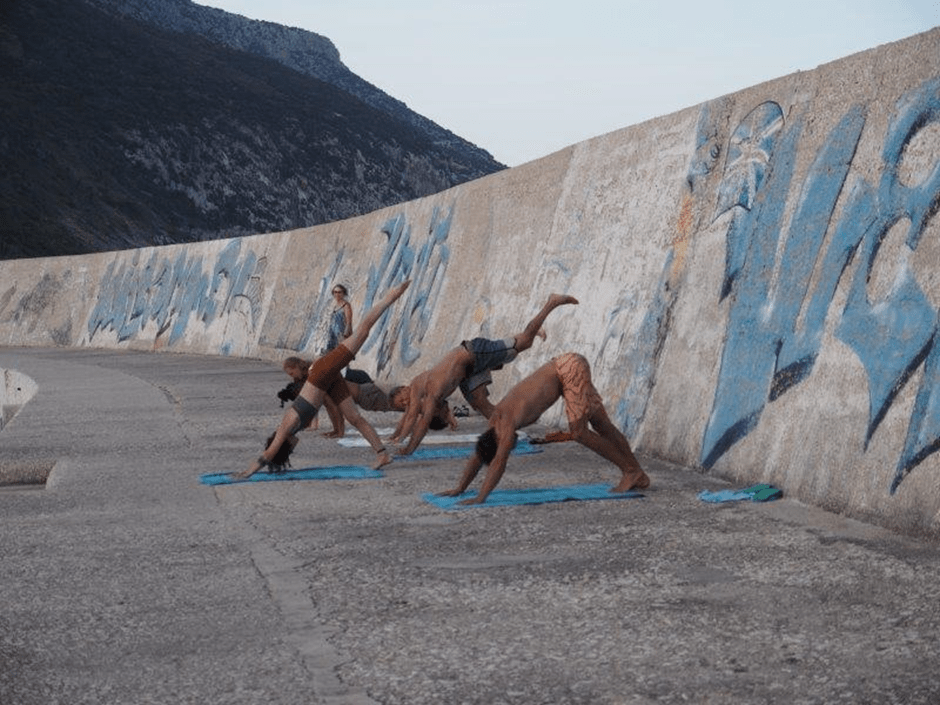
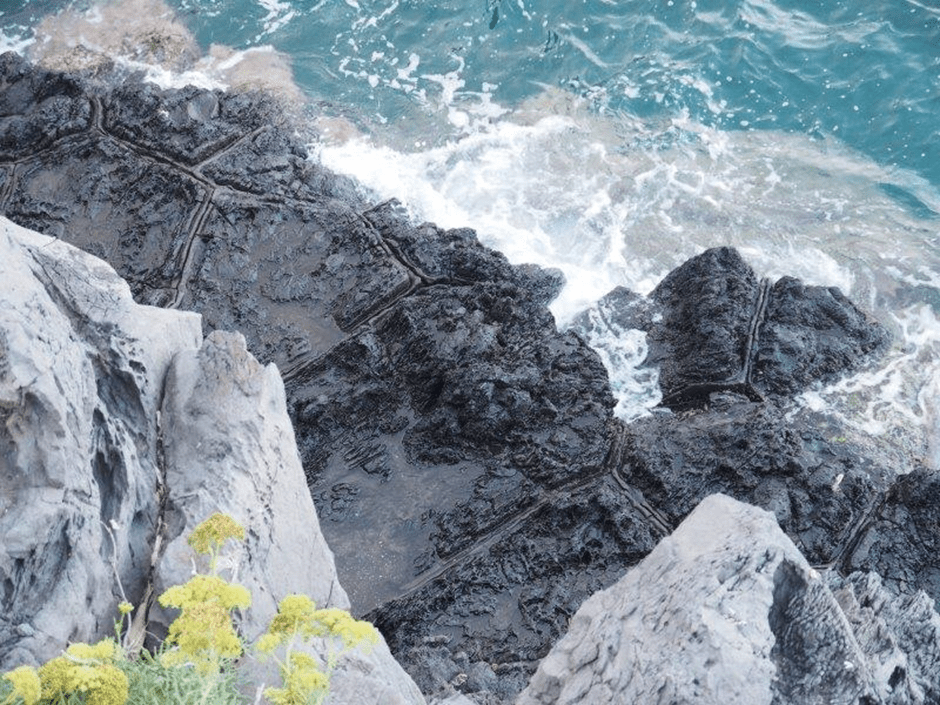
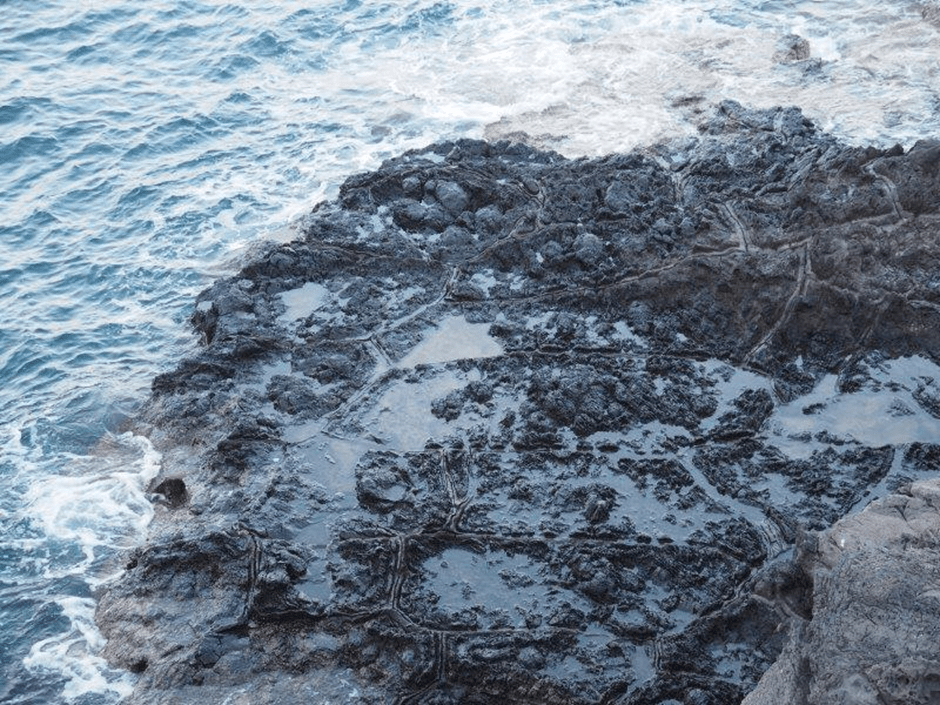
At the northern edge of town the rocks change to basalt, intricately patterned by the waves, a narrow path above the sea reaches a dark door into the cliff-face itself. This part of town is eerie and mysterious, a far cry from the packed bars and the yoga group on the harbour wall.
Sardinian Camping, recommended by friendly Paolo from Camping Liccia, is full. We have to accept Palmasera Camping Car – and they pack us in like €30-a-night sardines. Paying showers cause mayhem. A distraught young woman who’s dyeing her hair blue runs panicking over to her partner, the shower has eaten up her coins. Her back is streaked with blue. I reach the shower room just in time to hear her wail, “Freddo, freddo…” (cold, cold). This place seems too mean for words, so we decide to hit the road the next morning, despite the natural beauty of Cala Gonone.
 Campervan Therapy
Leave a comment