We follow the acorn signs of the coast path from Dorset’s Dancing Ledge for 2½ miles to Durlston Nature Reserve. At every turn there’s a new delight: ragged Jurassic cliffs, the blue sea, wildflowers that rampage down to the cliff edge, a myriad of feasting butterflies, stonechats singing their pebble-bashing song, gorse and tangles of blackberries, meadows of bleached grasses, a peregrine falcon hanging in the sky, a kestrel hovering ready for the kill, the shadow of the lone raven.
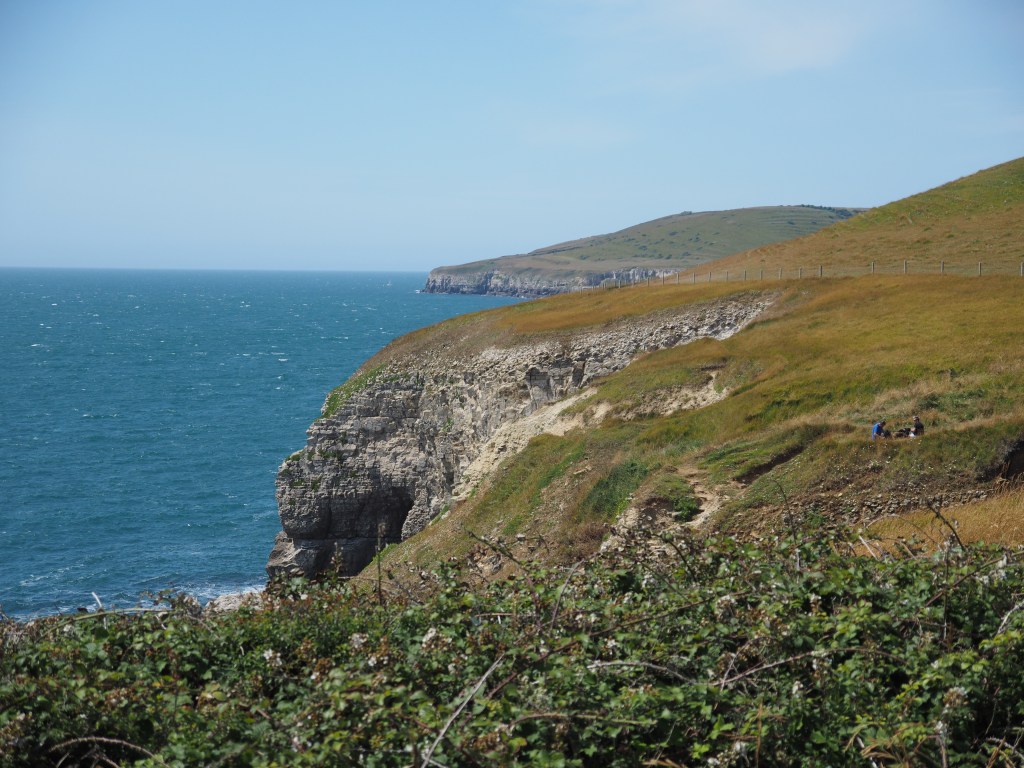
We picnic just inside Durlston Nature Reserve. Two women walkers say that we couldn’t find a better picnic spot, and how right they are.


Solid mock-Gothic Durlston Castle was the work of Victorian Entrepreneur, George Burt, also known as ‘The King of Swanage’.

He opened Durlston Country Park to the public as an early tourist destination in the Victorian Age.

His obsession with the natural world led him to install signs about the evolution of the species, reminding us of our late entry onto natural history’s stage and our tiny role in the history of the earth.
At one time there were over a hundred men digging out fossils of crocodiles and prehistoric creatures working under the direction of palaeontologists which fascinated George Burt.

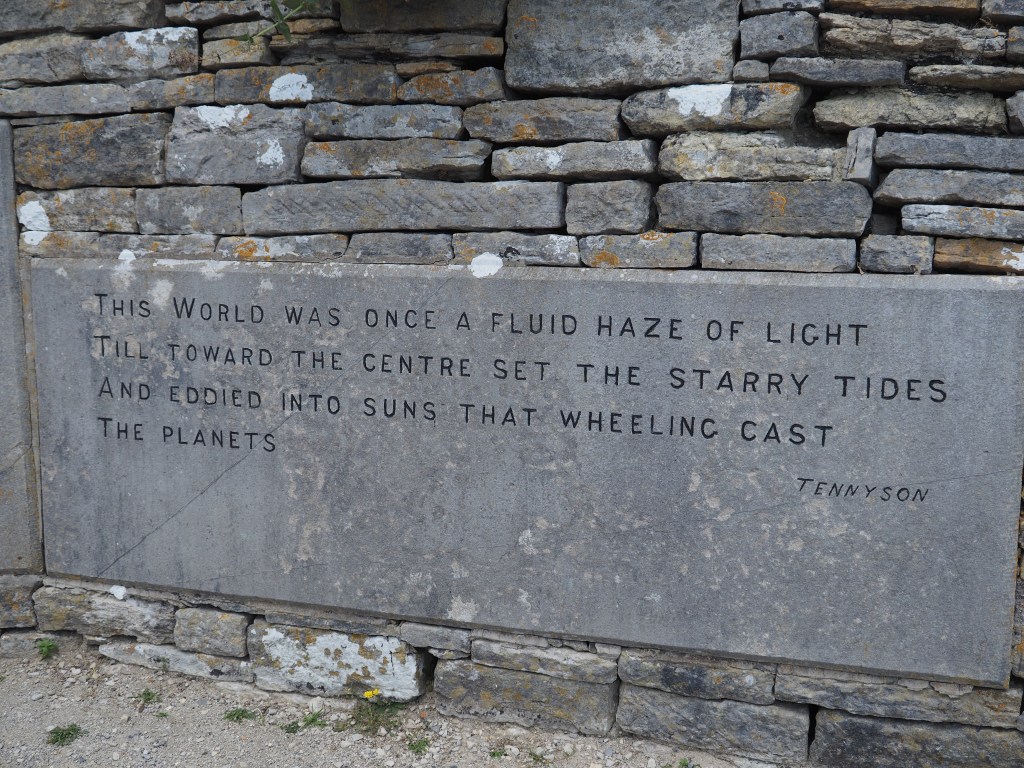
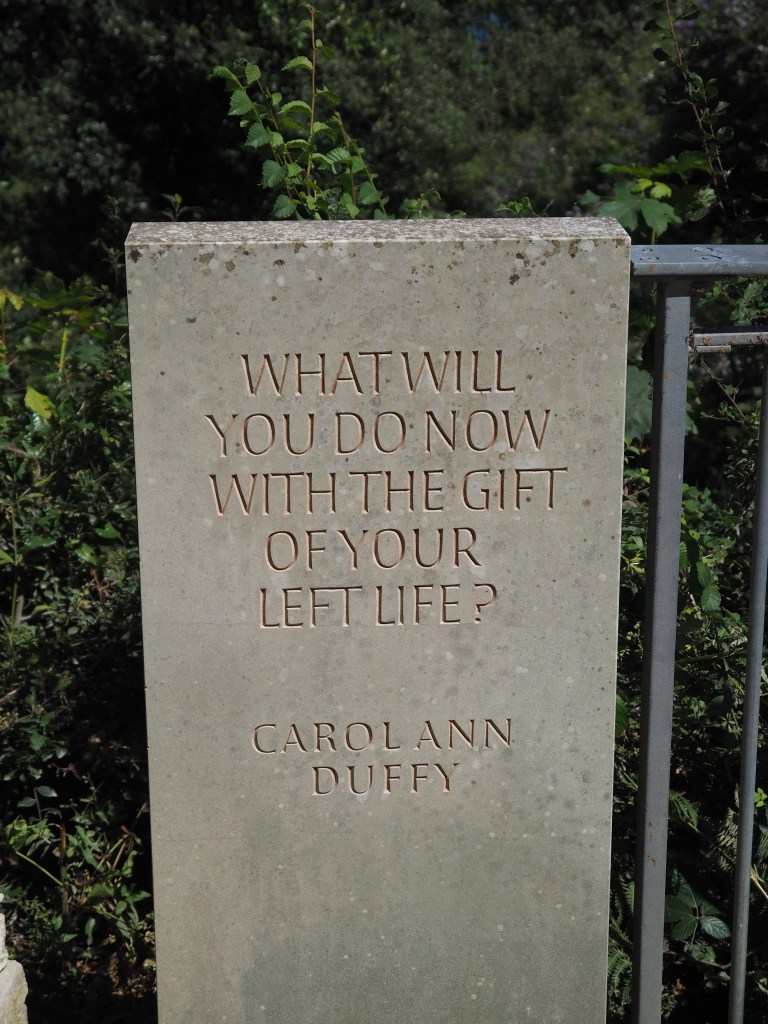
The Portland stone globe is the largest in the world and is surrounded by pithy scientific facts and figures, which absorb my resident scientist, Seán, whereas I lose myself in the snippets of poetry inscribed on stone tablets. I especially like the new Carol Ann Duffy question, “What will you do now with the gift of your left life?”
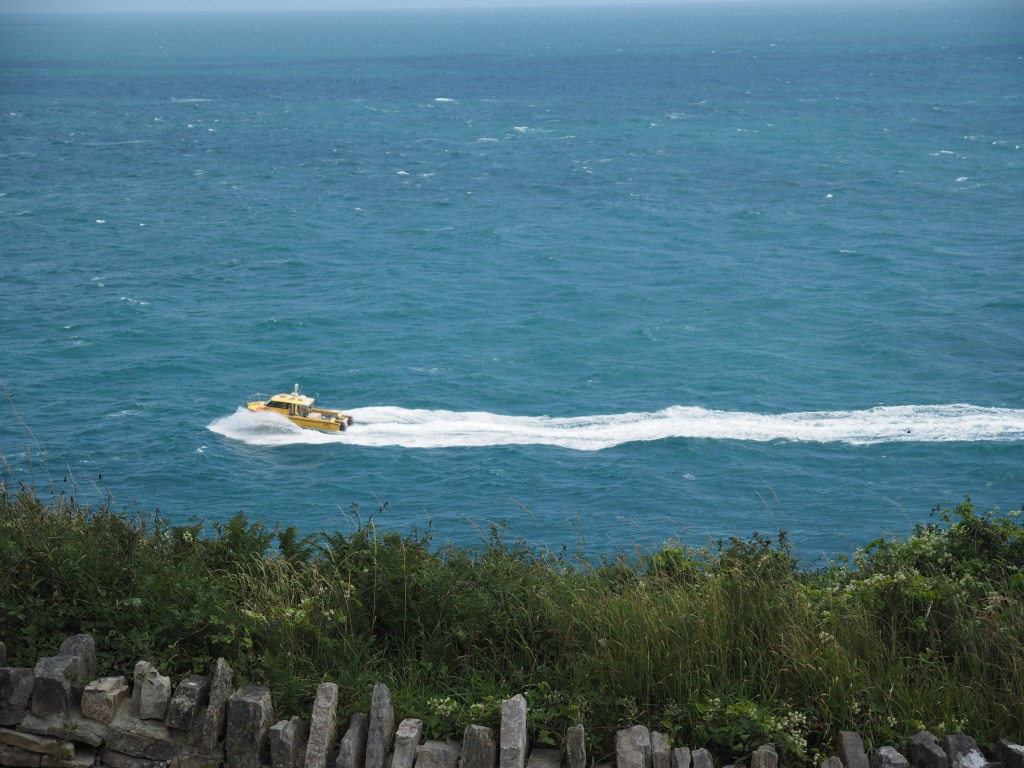
The bird-hide on the cliff tells us of the seals, dolphins, even the odd whale and basking shark that visit these waters.
A viewpoint’s glass panels are etched with artwork describing the flights of fulmars, gannets, and falcons.
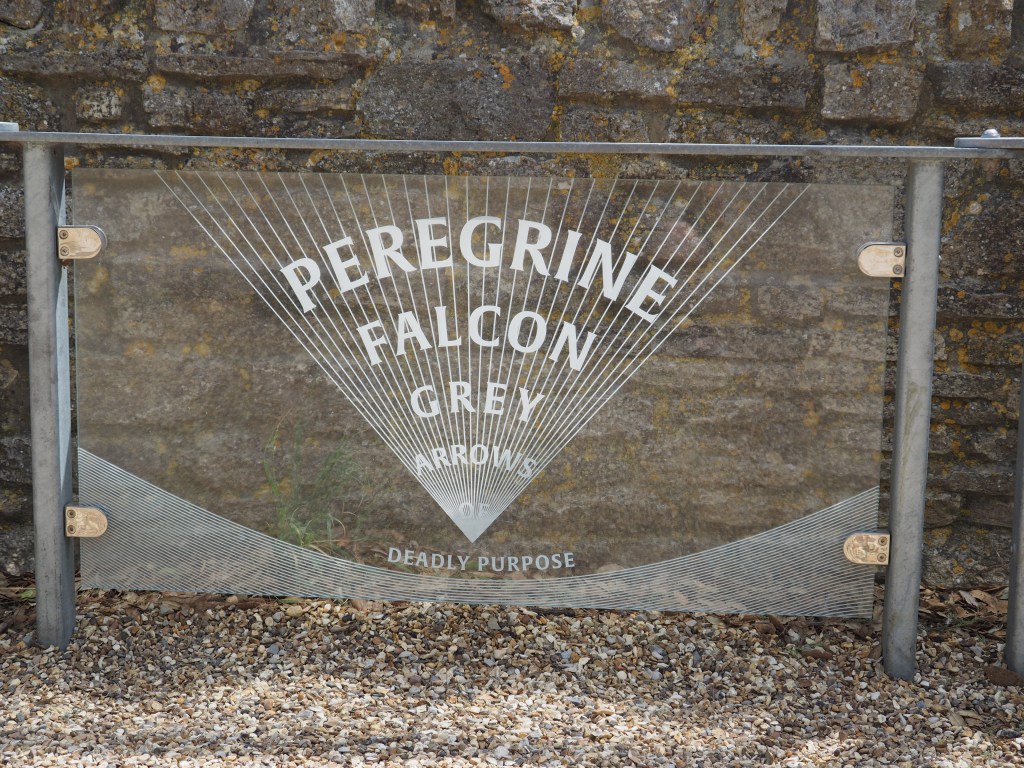
Kittiwakes and puffins make this their home too. I could almost believe I’m in Provence when a lizard skitters across the hot stones at my feet.
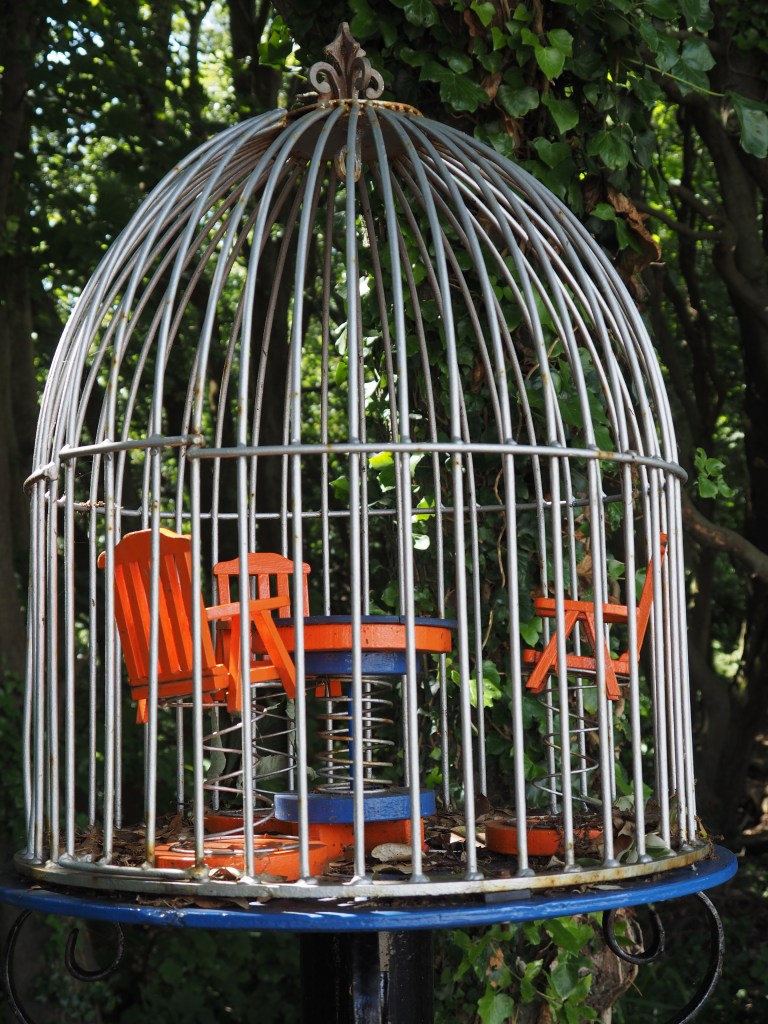
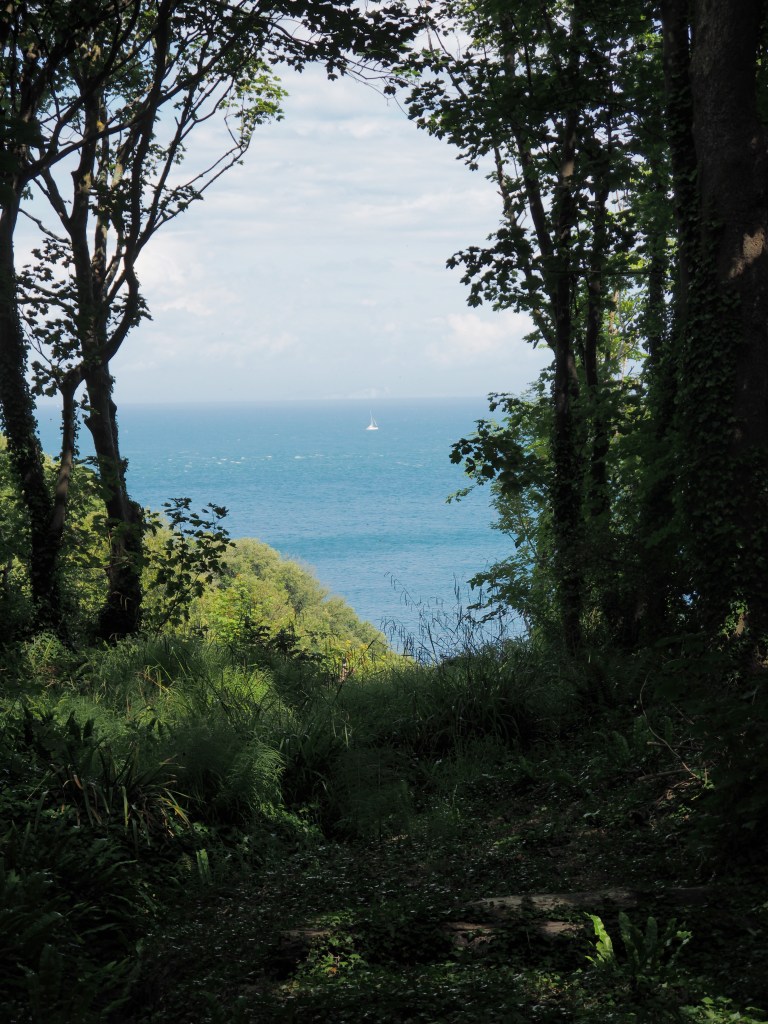
The renovated Victorian walking trail to Swanage is full of delights. A woodland path, there are hammocks for forest bathing, glades for picnicking, viewpoints of the sea between the trees, sculptures that again remind us of how recent our time on earth has been, including a sculpture of a tunnel of Purbeck limestone slabs.

The stones are reminiscent of Stonehenge. They wave in and out as the waves on the nearby sea do.

I’m compelled to read each one of the poetry fragments etched into stone and everyone of the pull-out information signposts regarding the creatures who live around Durlston Head.
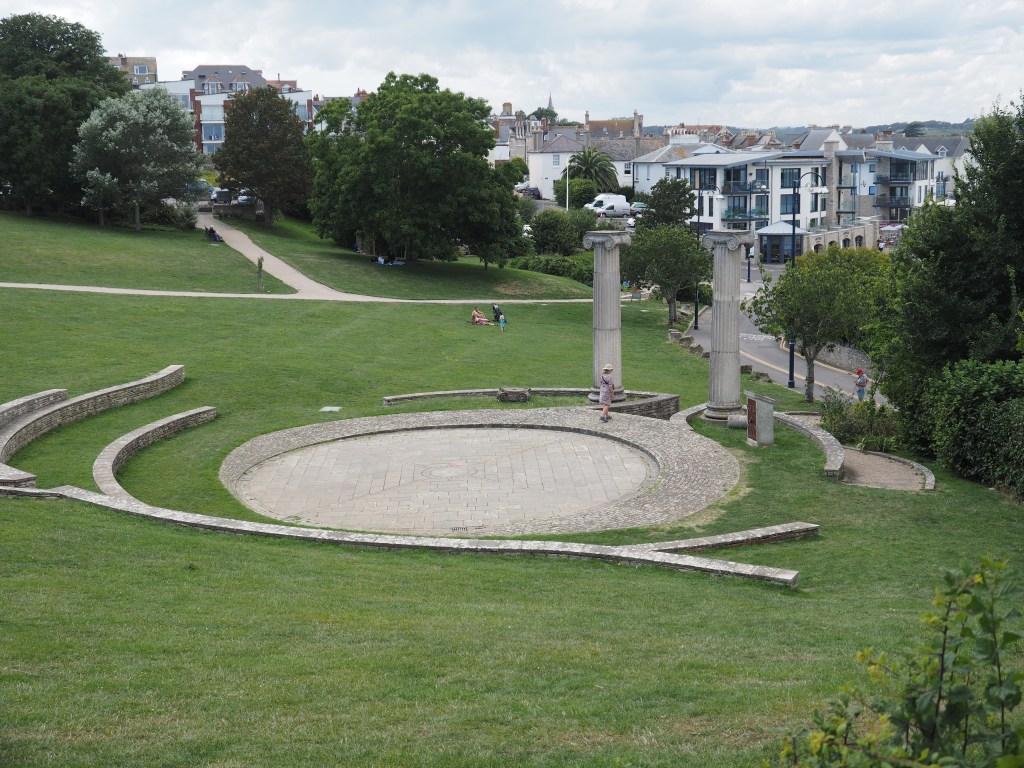
In Swanage we admire the obelisk to ‘Albert the Good’, Queen Victoria’s husband, which reminds visitors of his work to alleviate the suffering of the poor and his stand against slavery.

We walk back along the inland track named The Priest’s Way and I imagine the rural priests of old who walked along these chalky tracks to visit the sick; the drovers who took their sheep to market on these very stones; and let’s not forget the smugglers too struggling along with their barrels of Brandy.
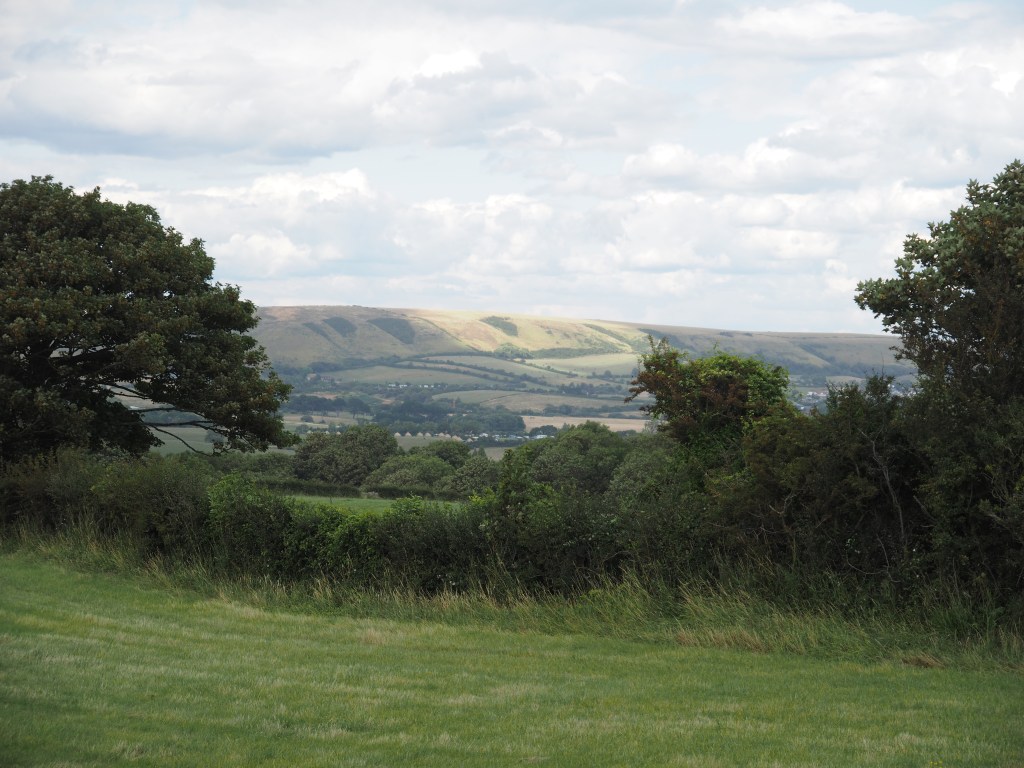
The patchwork fields, meadows, hills and heathlands are a time-honoured and peaceful landscape.
 Campervan Therapy
Leave a comment