We follow the signs from Covas Village, cross the ancient bridge and follow the walking signs along the road that runs above the Couro’s dramatic gorge. There’s times I can’t make out the river snaking so far below. A sudden cooling on a bend in the sun-drenched road and a tributary tumbles down into the river far below the Sao Joao bridge.

Water drips down the cliffs here, which are thick with a variety of mosses, heathers and ferns.
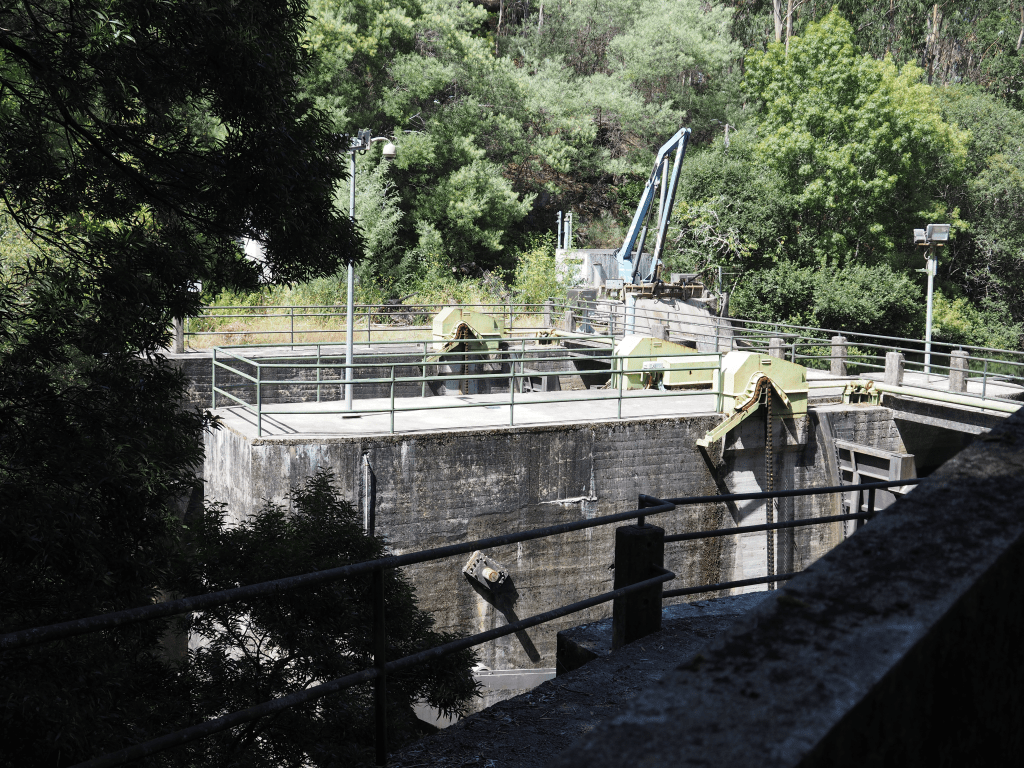
Soon there’s yet another sign to the 1912 Dam’s workings and of course, my technical one is delighted mooching around the old operating room, pointing out the turbine on the ground and the inside of a generator. He’s in technical heaven, even though we explored other sections of the dam only yesterday. I’m more taken with the giant golden butterflies swooping among the ferns and trees.
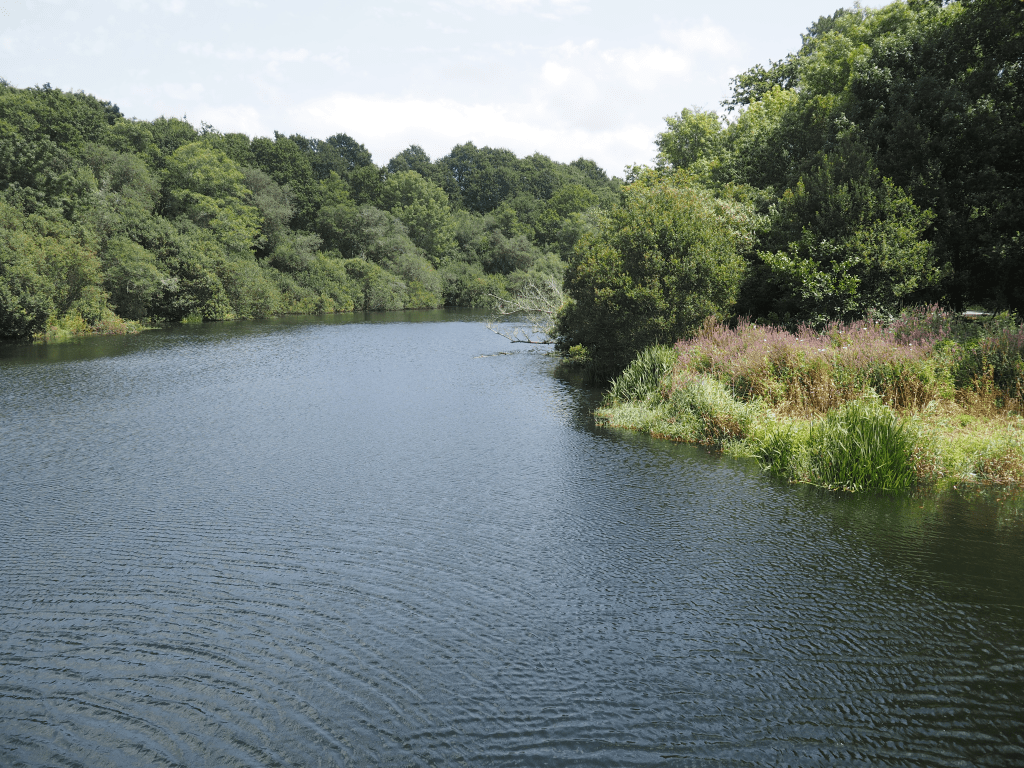
Back on the road, we follow the turn off to the Roman mines and scramble down the rough track to the river-bed. A sign explains that the Roman tunnel was built to drain the river in the summer so that the local workforce could pan for gold, which was then shipped out of the province to serve the Empire after Augustus dictated that the Roman economy be based on gold coins.
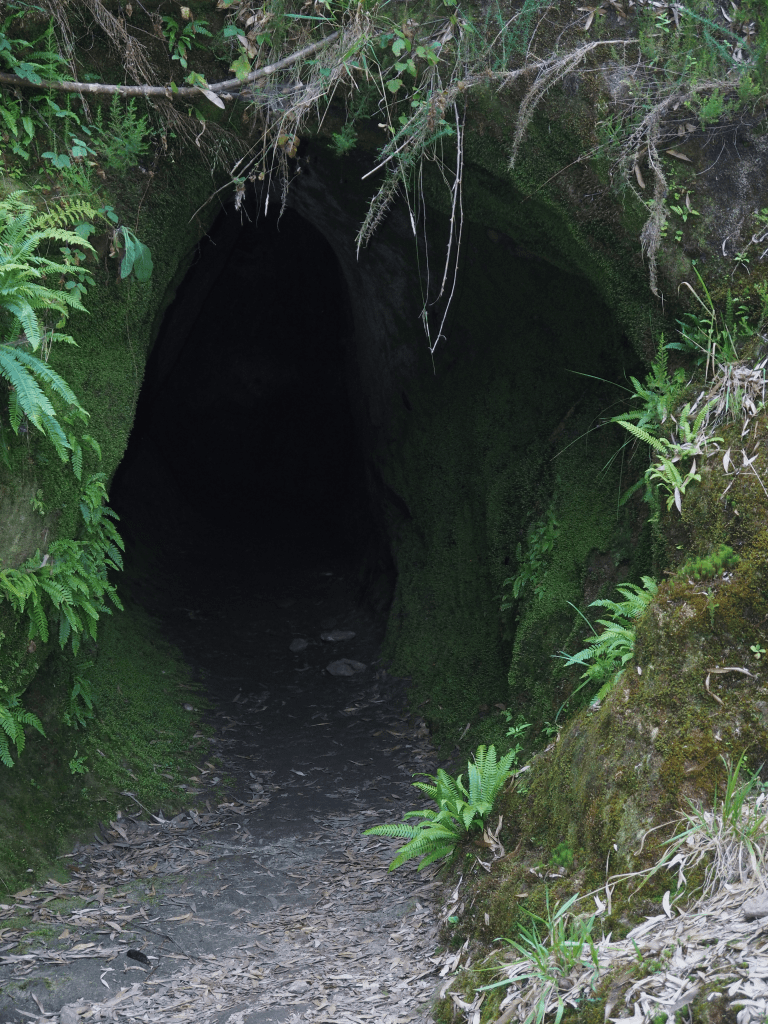
The Roman tunnel is covered in moss now and its dank mouth yawns. Seán flips on his phone torch and disappears into its maw. Soon even his footsteps die away. There’s no answer to my desperate calls. My anxiety increases as I hear the roar of a quad bike and I realise that I’m in an isolated gorge, alone.
But the man who pulls up is benign. He tells me that he’s out to collect pine cones, displaying a giant one and tells me how he hammers the pine nuts out of it. I like the idea of being so connected with the production of your own food, but apparently there’s an awful lot of hammering required to release the nuts from the cone.
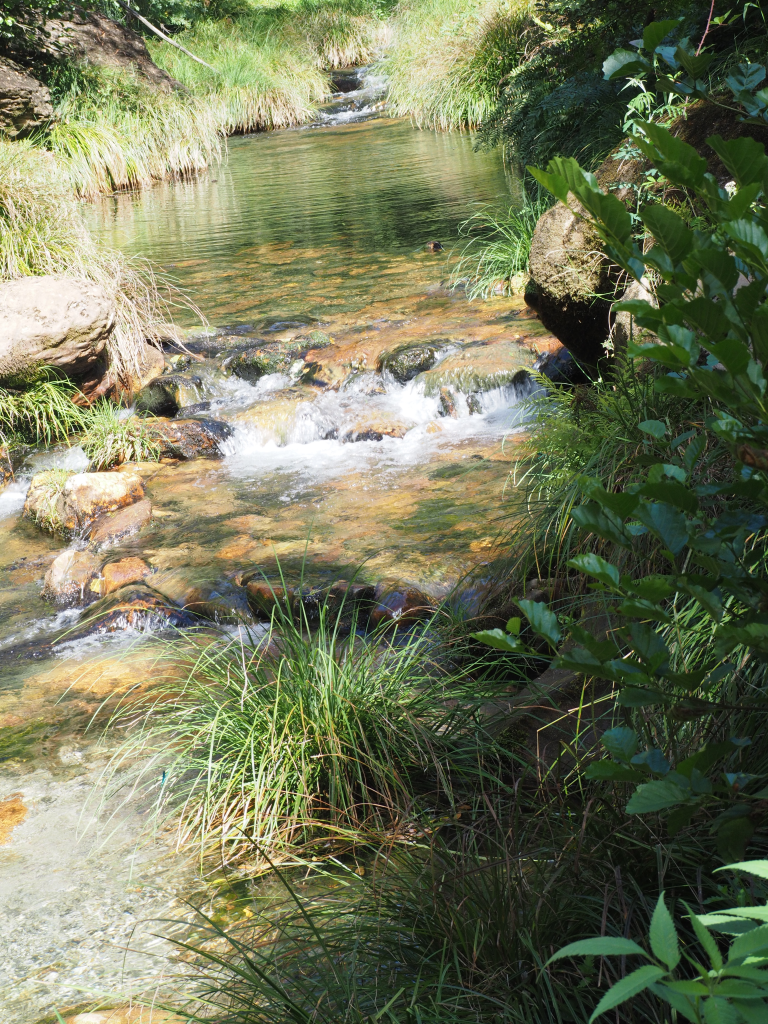
I ask the pine-nut forager how clean the river is and he tells me that it’s so clean it’s good enough to drink. So when Seán emerges insouciant as ever from the Roman tunnel, we paddle in the river, a startling blue demoiselle alighting on my shoulder, a yellow and black striped dragon lands on a rock beside water boat-men and pond-skaters. With the sun glittering on the acacia trees and silvering the water it’s a scene that I’ll save up for winter nights’ waking hours.

I’m delighted with the golden flecks on the river bed and pounce on two shards of rock that are speckled with the treasured colour, yelping that I’ve found gold. Of course my practical one tells me that it’s fool’s gold, or Iron Pyrite, to be precise. But fool’s gold or not, I take a little shard to remember my afternoon panning for gold in a river whose waters are clear enough to drink, among the demoiselles and dragon-flies.

 Campervan Therapy
Leave a comment