It seems strange writing about our trip to Bulgaria, considering the reason we’re here is to commemorate Seán’s sister, Jackie, who retired with her husband to her dream home in the small village of Dimcha, only to die shortly after. We first visited in a shocked haze last year but this year we’re back to remember Jackie and to honour her dream and her adopted country.

From Sofia’s Airport, we take the underground into the Serdica stop, the ancient town of the Thracian Serdi people, renamed Serdica by the Romans.
Sofia has had so many influences and when I look at a map of Bulgaria I can see why. It shares borders with Serbia, Macedonia, Greece, Romania and Turkey. It’s been part of the Roman and later Ottoman Empires, the USSR but has always reasserted its right to the independent kingdom established in the Middle Ages.

The Cyrillic alphabet has me confused, but my resident scientist doesn’t have such problems as physics uses Greek letters which apparently can be similar. I enjoy the confusion though as it makes the whole country exciting to me, different from my usual much-loved haunts in western Europe.
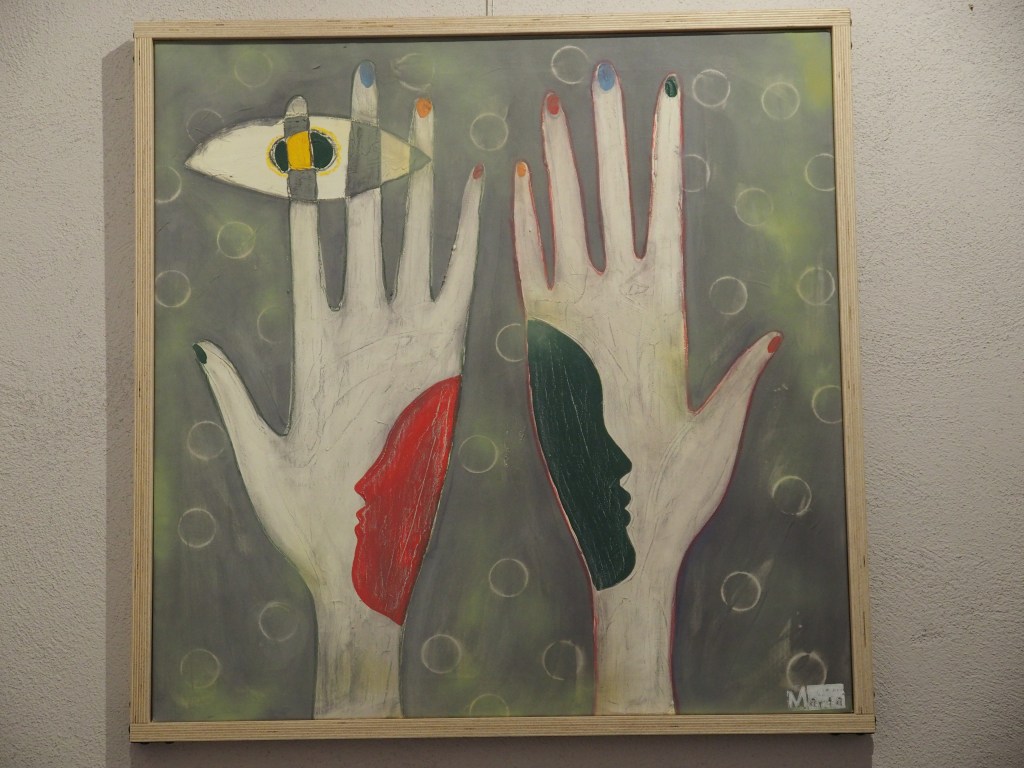
The Art Hotel is exactly what it says on the packet – an art gallery and music venue as well as hotel. The original paintings on the wall of famous blues singers are eye-catching, produced as they are on old weathered slabs of timber. The original art and deliberately exposed black light fittings in the bedroom add to the atmosphere.
We’re only steps away from the historical centre. Our first evening sees us feasting on beetroot and mascarpone salad, followed by koftes in the gorgeously flamboyant flower festooned Shtastlivetsa Restaurant. The vibrant food reflects Bulgaria’s position as a crossroads between Turkey, Greece, the Balkans.
We mooch around outside on the cobbled central Vitosha Boulevard, full of people from 3-year-olds to 90-year-olds, hanging round chatting and eating ice-cream.

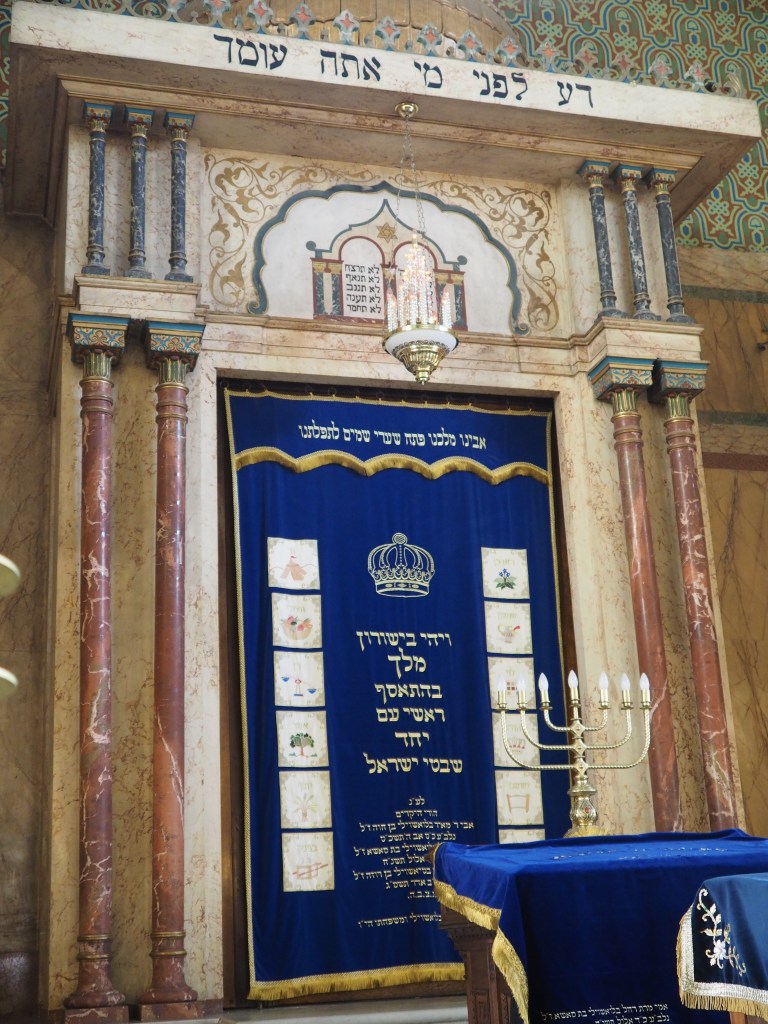
The next morning, 500 metres from our hotel, we stumble across the Central Synagogue of Sofia, the biggest Sephardic synagogue in Europe. We pass the two machine-gun toting policemen outside, go through a metal detector before we pay our 10 Leva each (about £4). The round building has geometric patterned arched apses and the heaviest chandelier in Bulgaria.

At the end of the road, there’s Banya Bashi Mosque, the only still-functioning mosque in Sofia – the name meaning ‘many baths’, and its gold minaret shines against the blue sky.
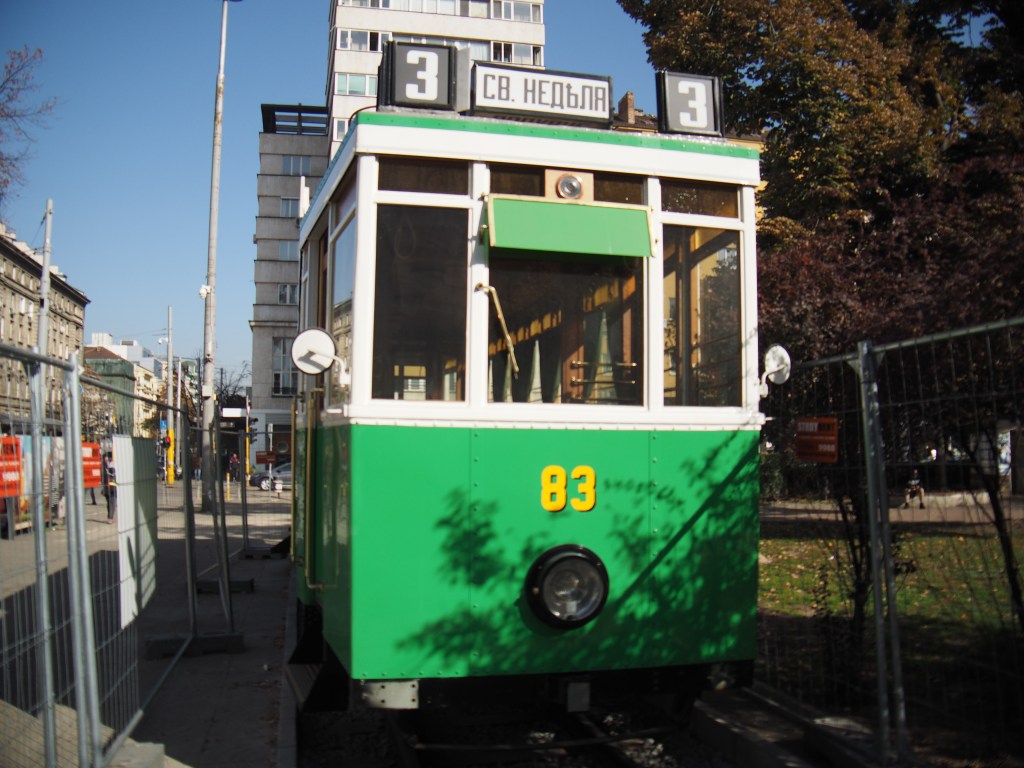
We have to admire the old bright green tram outside Sofia’s Regional History Museum as Himself loves all things mechanical. The trams running along the tracks on cobbled roads are a constant rumble in the city and, again, add to its romance for me.
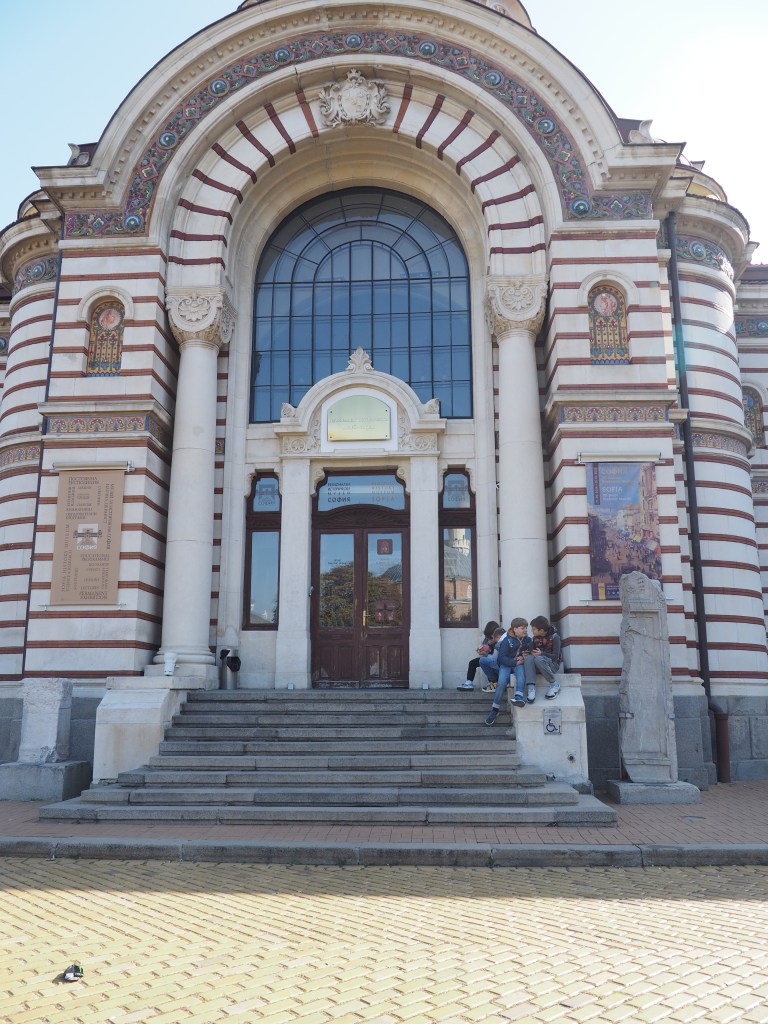
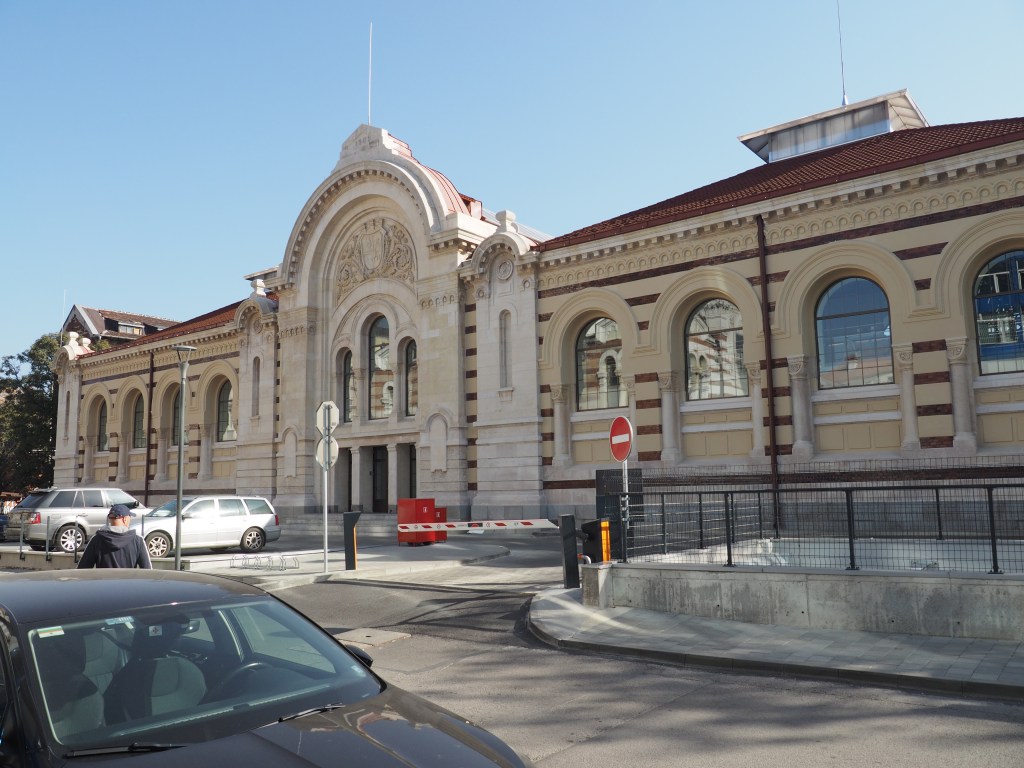
The museum itself used to be the Central Municipal Mineral Baths. With its vivid ceramic edging and elaborate copper fountain it is handsome.

The Orthodox St. Nedelya Cathedral is just up the road, its rounded apses backed by soaring mountains, home to glacial lakes and monasteries. Inside its frescoes and gilt work are so vibrant that they transfix us. Even on our way back to our hotel, we dip into the Roman ruins of ‘Ancient Serdika’. Our whistle-stop tour has shown us this vibrant City’s history and vast collection of cultural treasures.


 Campervan Therapy
Leave a comment