I scoot across to Portesham’s farm shop and café from the campsite. It serves good bread, British cheeses, vegetables without a piece of plastic in sight, along with the kind of incongruous nick-nacks that are endemic in all farm shops – cow mugs, primrose and poppy tea towels.
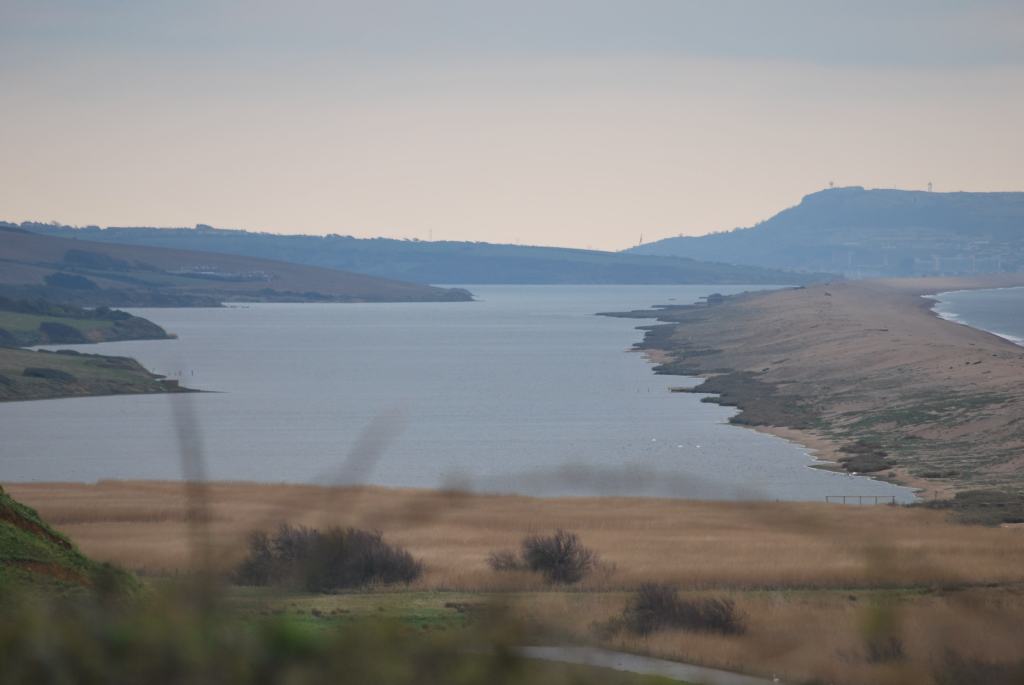
After stocking up, we’re off on the walking track for the 30-minute stroll to Abbotsbury. We make straight for the Swannery started by the monastery in the 11th Century – the only managed one in the world. I can just imagine feast days: the monks celebrating with swan, stuffed with duck, stuffed with pheasant, and the rest!

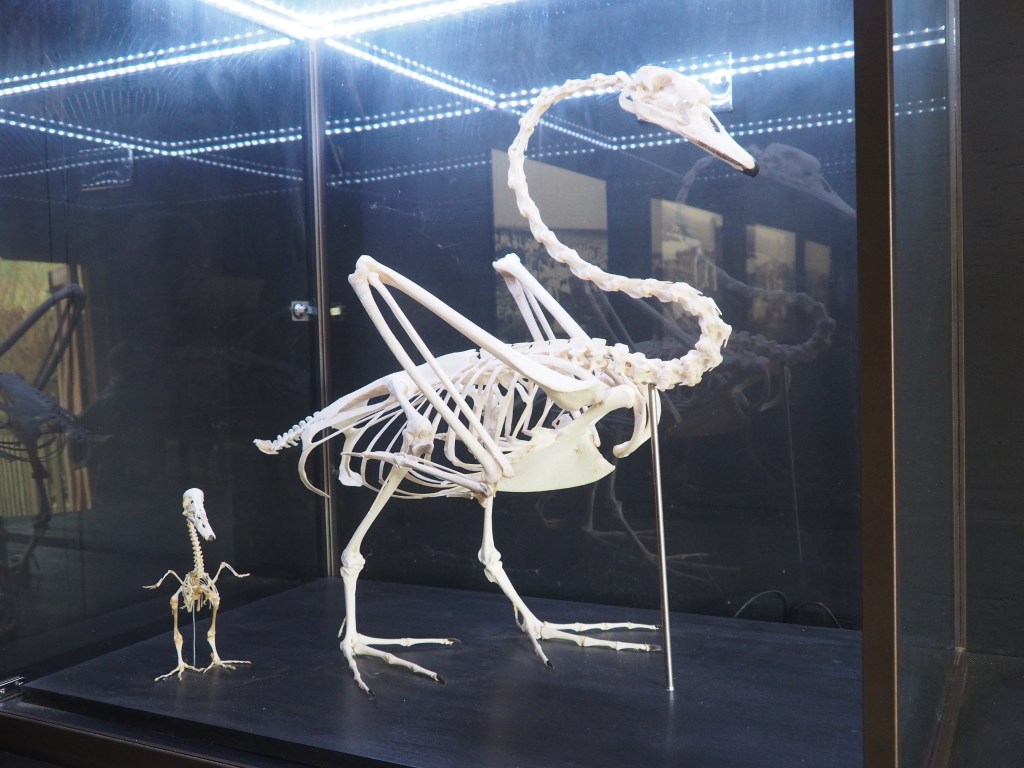
There are over 600 mute swans living in the swannery, the highest number of a single species anywhere in the world. The fertile lagoon is the perfect protected spot for them.
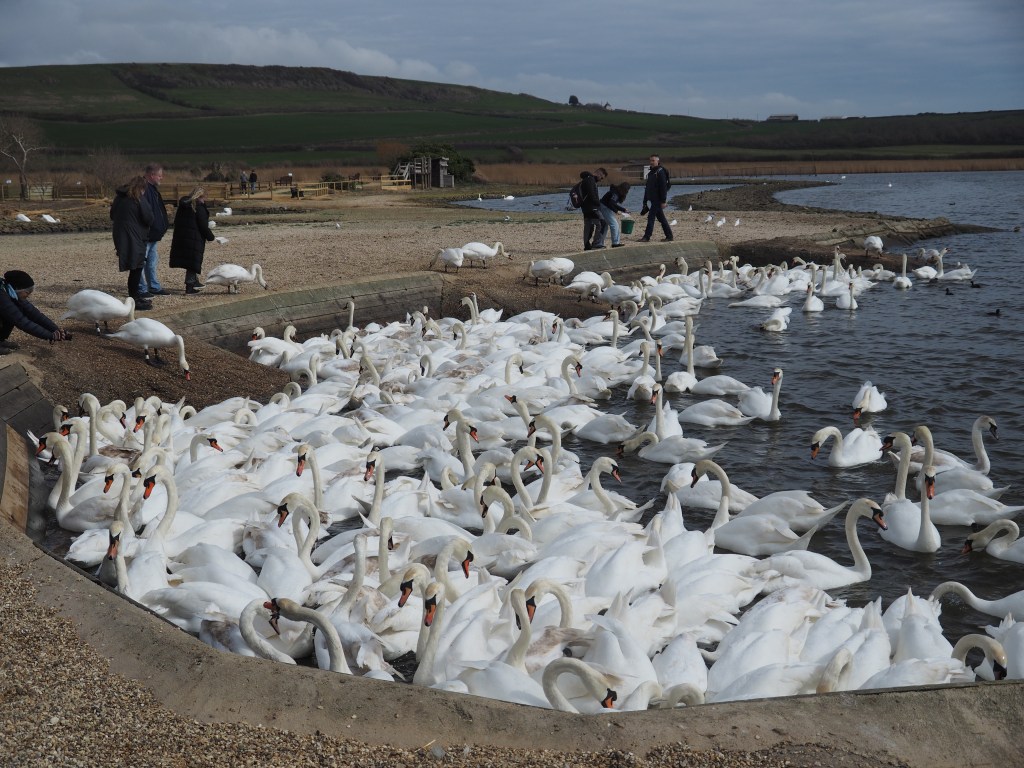
You can’t talk about the swannery without mention of the wonderful light and the visual feast of the blue lagoon, honey coloured shingle spit, wheaten reeds, thatched hide roofs, all backed by green hills. It makes you want to whip the watercolours out and catch it on canvas – hardly likely in my case! Chesil beach itself, formed over thousands of years, humbles us, reminding us that humans have only walked this earth for a tiny timespan.

The duck decoy, a willow tunnel, shows us how the decoy master and his little dog would trick the ducks for the oven into it. I love the withy, or pollarded willow, standing among marshland and clear streams.
We follow the South West Coastal Path 1 ½ miles to the Sub-tropical Gardens, celandines and primroses clinging to the hills.
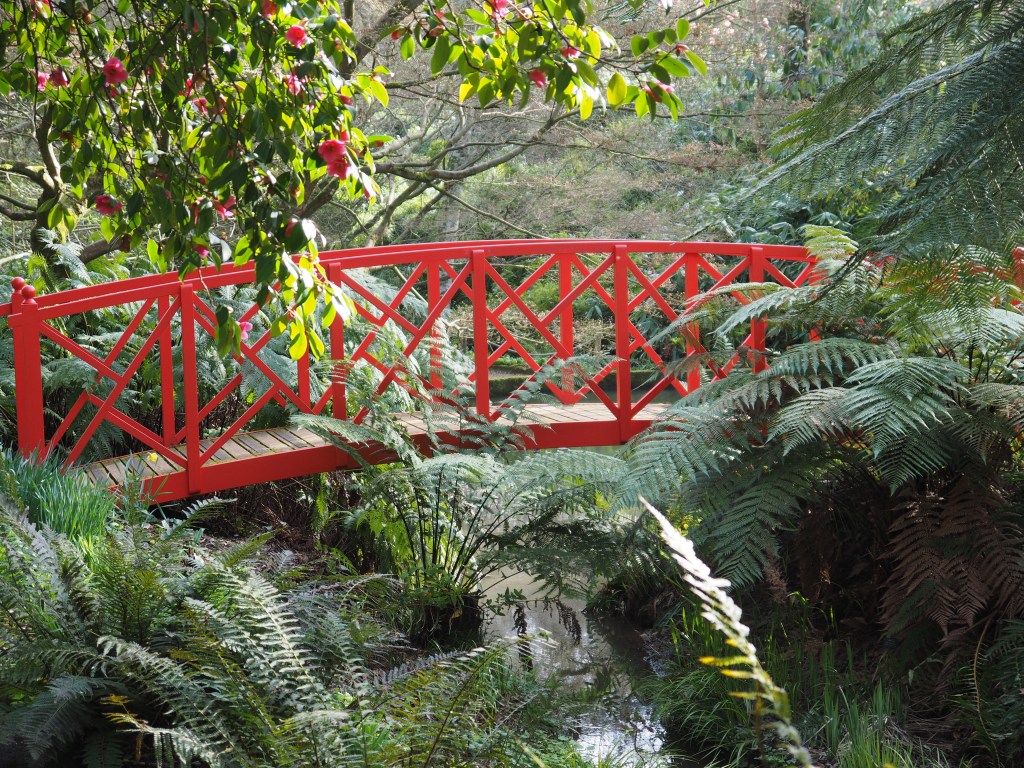
The gardens nestle in what was once the old kitchen garden of the Fox-Strangways family castle built in 1765.

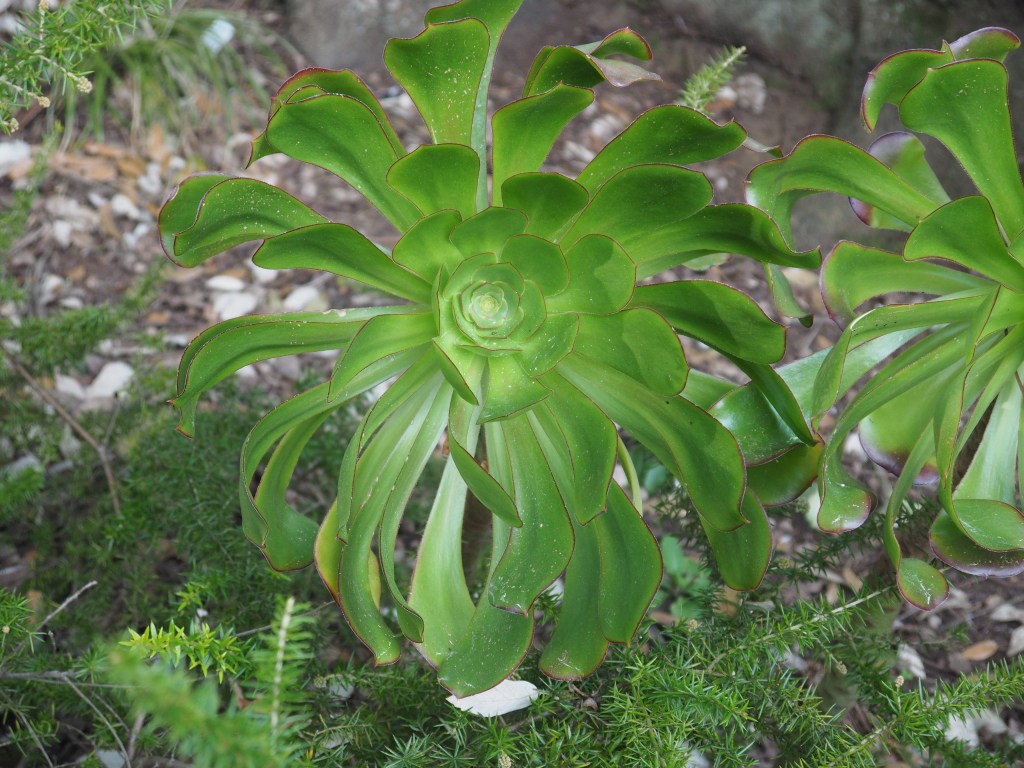
Now, I love a garden and this one is lush, every turn in the path offering up plants from around the world. Rhododendrons are just coming out in all their blowsy finery, even though it’s only March. The camelias’ less showy blooms are bursting with white, pink, cerise, peach – their petals littering the paths like confetti.

Waterfalls and ponds, complete with red Japanese bridges, are edged by prehistoric, giant ferns and gunnera. The steep magnolia lined walk up to the viewpoint is a workout but worth it, with views to Devon’s Torquay in one direction and Portland Bill in the other. I love the story about a local smuggler who avoided customs men by chalking his face and jumping into a coffin he just happened to have hanging around.
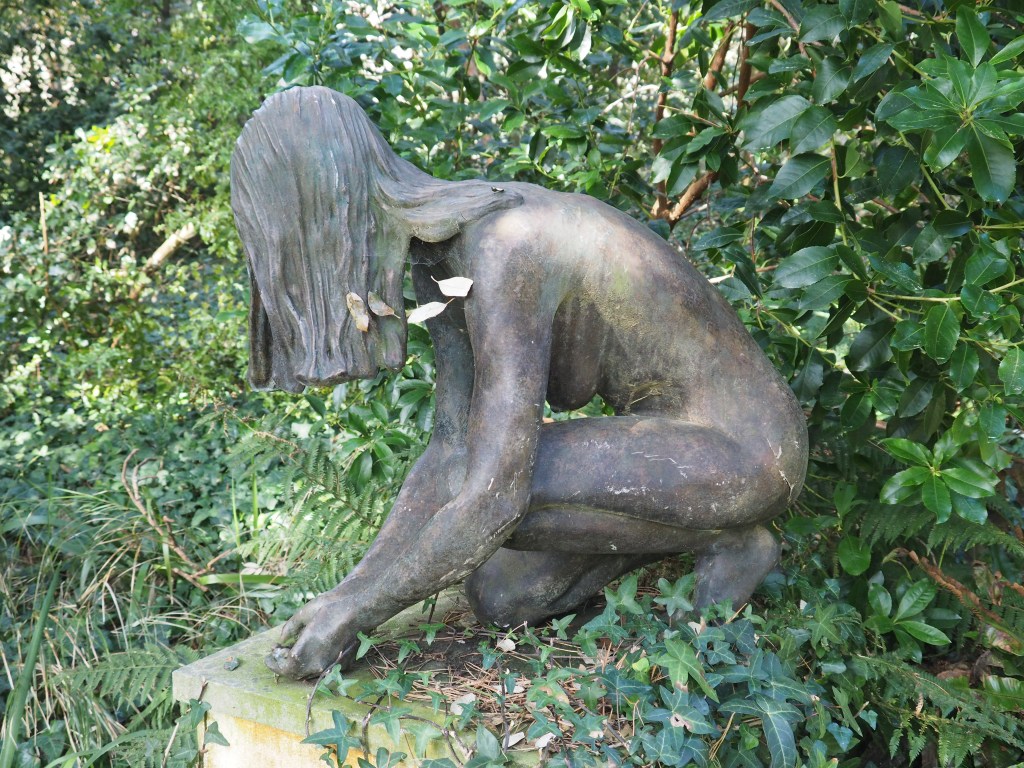
Sculptures add to the surprise element in gardens, but I have to ask why so often they have to be of nude women. Here, the bronze nudes stretch, lie around, crouch down like sprites among the trees. Effective, “But why only female?” No answer from Seán– he’s used to me proclaiming from my soapbox.
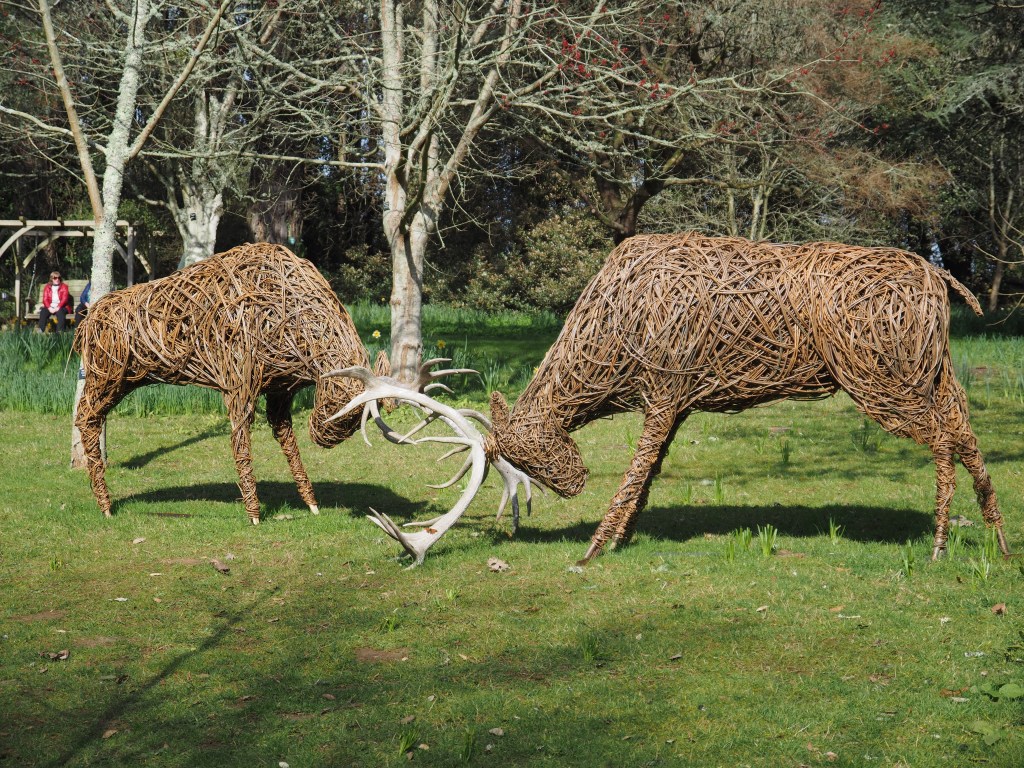
I much prefer the willow woven stags who lock horns on the lawn.
Female nudes or no female nudes, nothing can take from the trails that wind down the valley until we’re submerged among what feels like a sub-tropical jungle, then up to the meadows where giant cedars and Californian pines tower.

 Campervan Therapy
Leave a comment