Our friends Mary and Martin recommend Catalonia’s Camping Esponellà near Figueres. We wind up into the Pyrenean foothills leaving the bustle of city far behind.
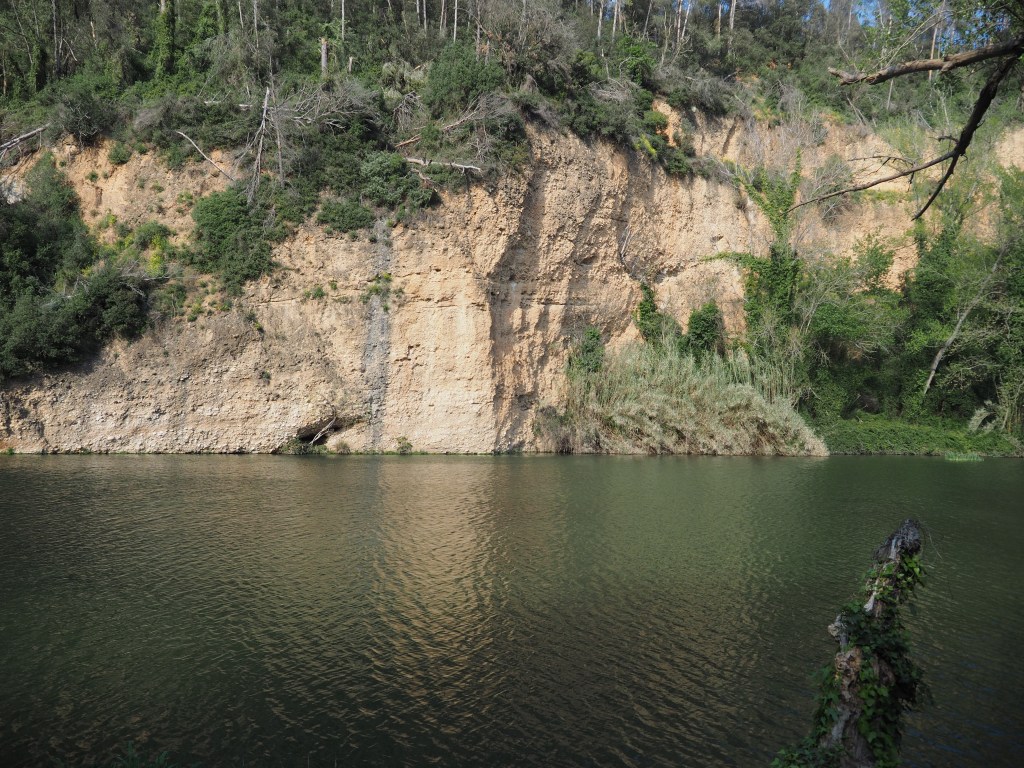
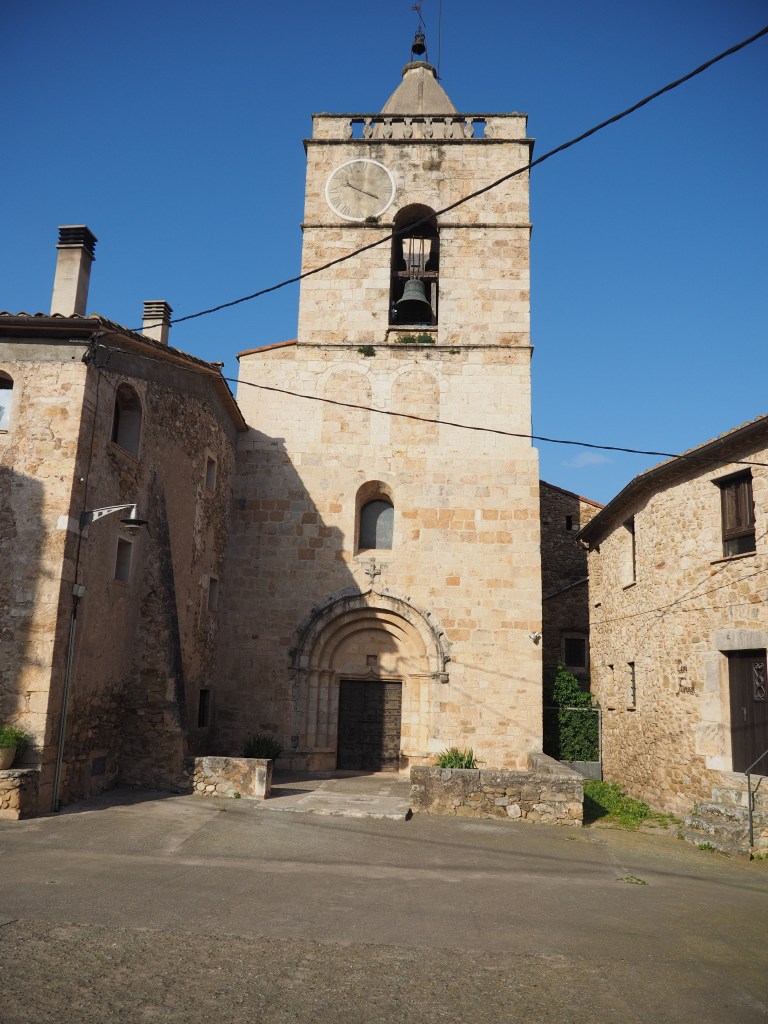
Our first sigh of Esponellà is the pinkish rocks of the River Fluvia’s Gorge, our next, the honey stone village on the summit of the hill, the church tower reminiscent of a fortress’ lookout.
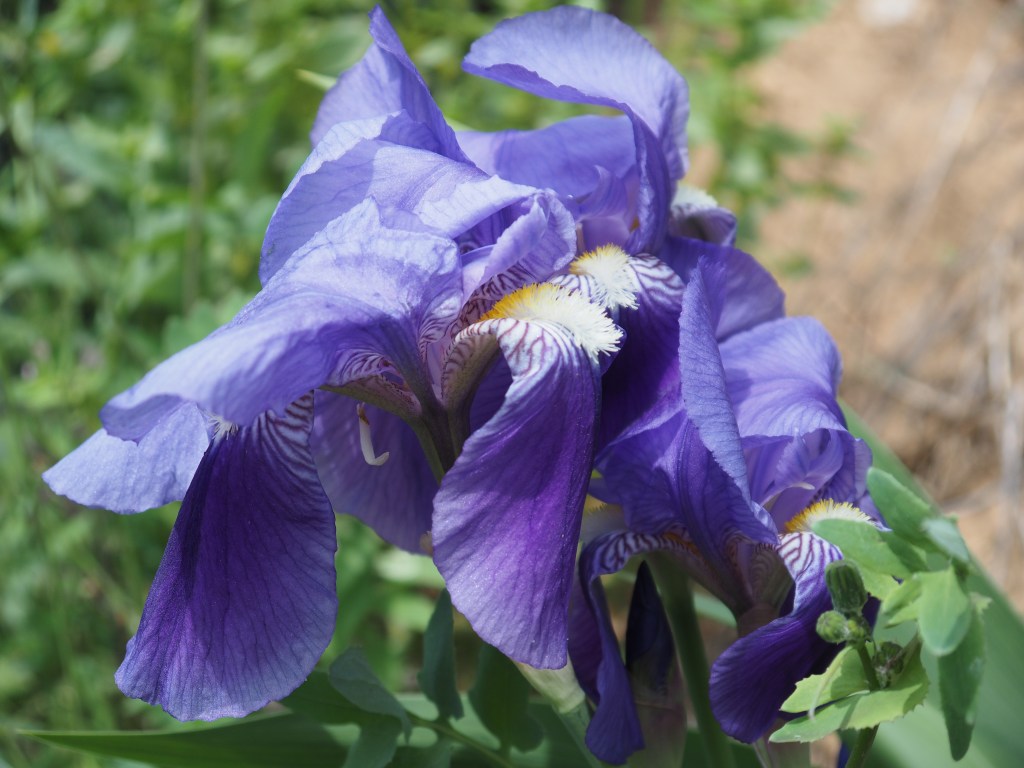
Woodlands of oak, elm, ash, cork cover the valley floor, but the wildflowers are the stars of the show for me. Just by the campsite the banks are studded with purple wild iris, and cerise annual honesty.
Even better, as we pull onto the campsite, we realise it’s fairly empty and we have a run of daisy covered pitches and the green river all to ourselves.

The first day we’re serenaded by nuthatches and I’m so excited when I spot the diminutive goldcrest – which is about the size of a big bumblebee.

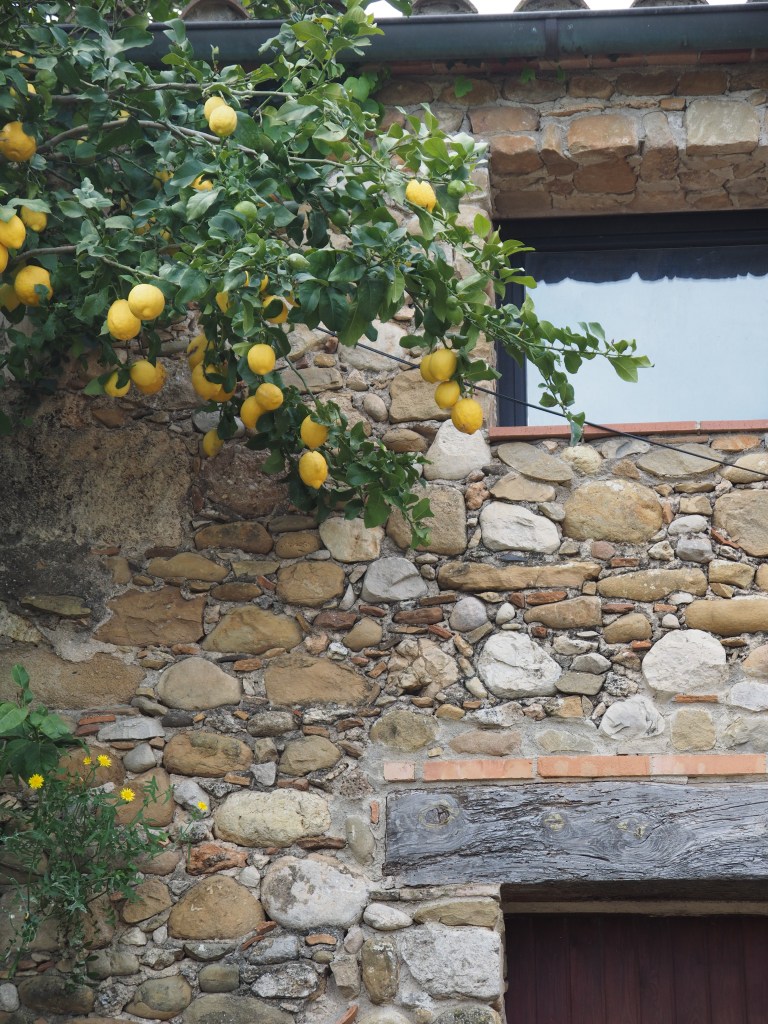
We wander around the ancient village, the handsome houses, with arched doors big enough to ride your horse inside, complete with mounting blocks by the entrance. The columnated balconies remind me of Romeo and Juliet. Lemons and oranges shine like baubles from trees in courtyards.
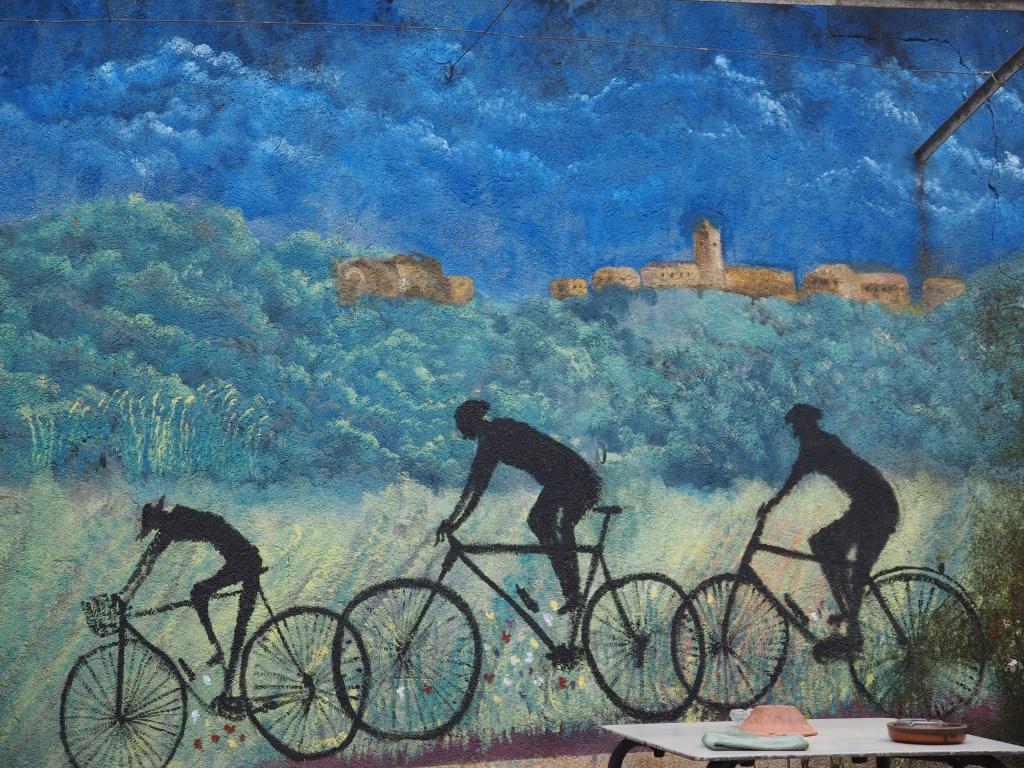
Drinking coffee on the little bakery’s terrace is accompanied by the baker giving us a gift of fresh croissants, the plane trees above us pollarded so that their branches touch and I can imagine the glorious shade in summer. A mural of the town and cyclists fills the wall. The campsite restaurant serves up pumpkin and parmesan croquetas, an unctuous confection hard to resist during our three-night stay.
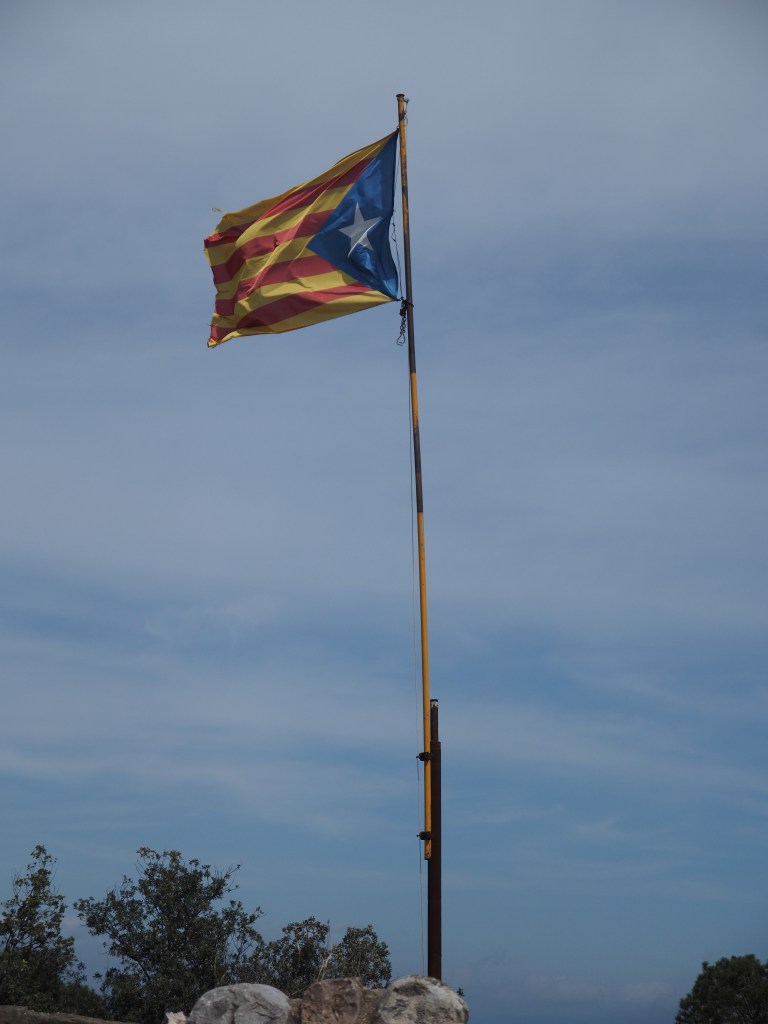
We follow the walking path up through fields, forest and hillside to the castle ruins that overlook the town. It’s the type of exploration I love – not a soul here but us as we potter around the tower and rampart ruins, take in views of the plain to the blue-hued mountains and limestone cliffs beyond.

That’s before Seán takes it into his head to disappear into a dark tunnel plunging into the depths of the castle.

His voice echoes, ‘Wow, a bat.’ I barely conceal my fear he’s going to vanish through a hole in the ground to a hidden dungeon. All I can say is, ‘Stop disturbing the bat and come out.’
Seán uses his plant identification App to check out the wild flowers growing out of the limestone, from the Montpellier milk vetch’s pink blooms, reminiscent of clover flowers on speed, to the star shape of Blue aphyllanthes. Even the humble thyme and rosemary are more scented here as they rampage along the forest track.

Suddenly a troop of clouded yellow butterflies swoop around me. It’s one of those memories that I’ll think about when I’m back home on a rainy day.

Later, we’re treated to the crashing water of the River Fluvia at the old hydroelectric dam. Up on the walking tracks across the Martís Plain, we take in the snow-capped Pyrenees, the verdant green broad bean and golden rapeseed fields.
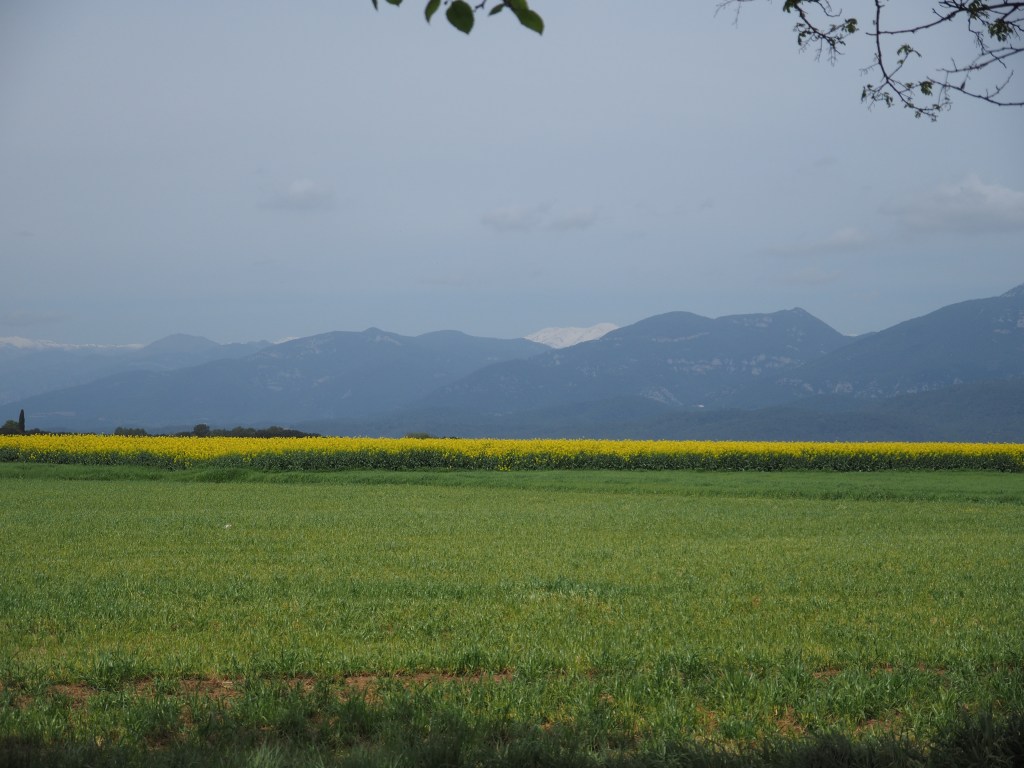
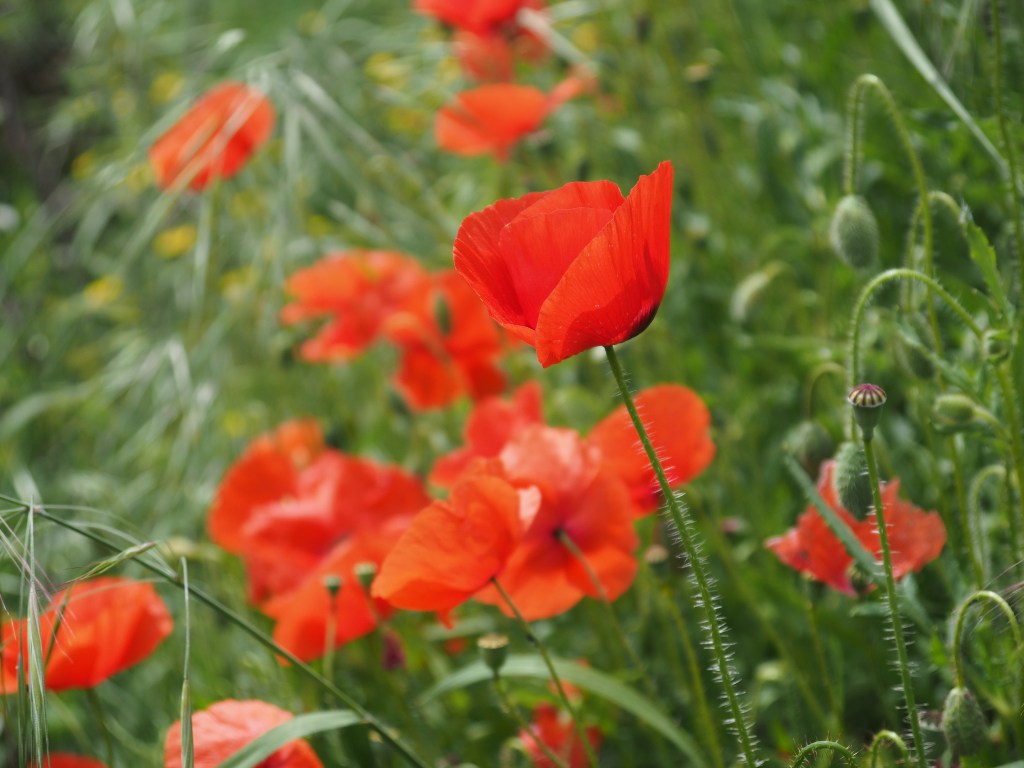
The field edges are dotted with poppies and the appropriately named star-of-Bethlehem.
We pass the Medieval stone bridge and cross, aware that our feet are walking in the footsteps of those that have worked these fields for centuries.


 Campervan Therapy
Leave a comment