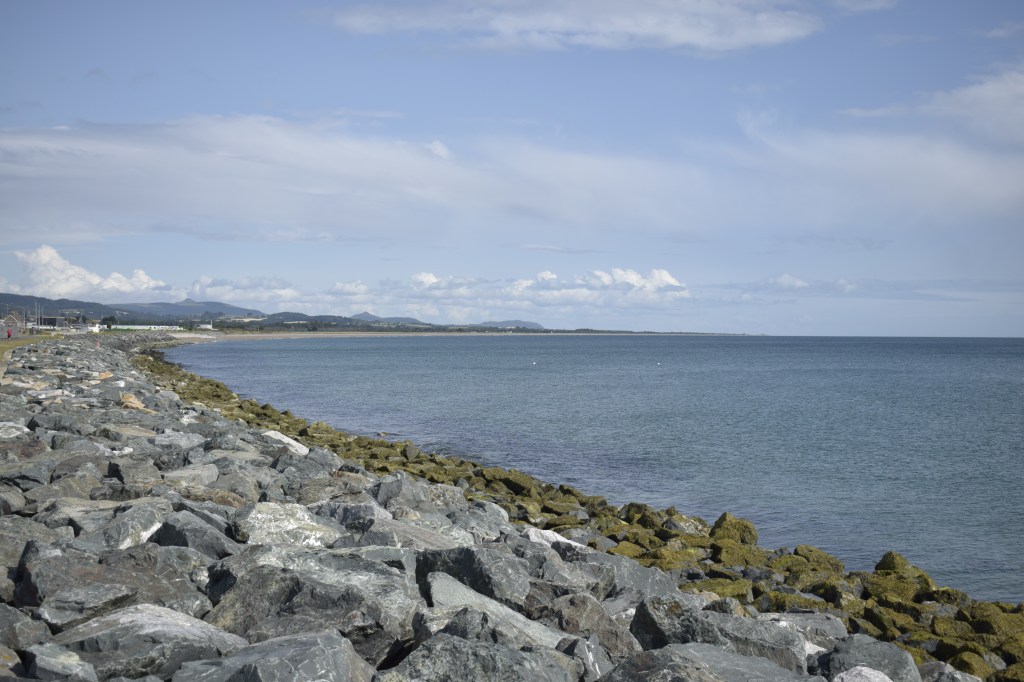
Wicklow Town sits on the sea, with an island in between the Leitrim River, named after the Leitrim Regiment who were stationed here in 19th Century, and the seafront, which explains the rather gracious houses lining the river.
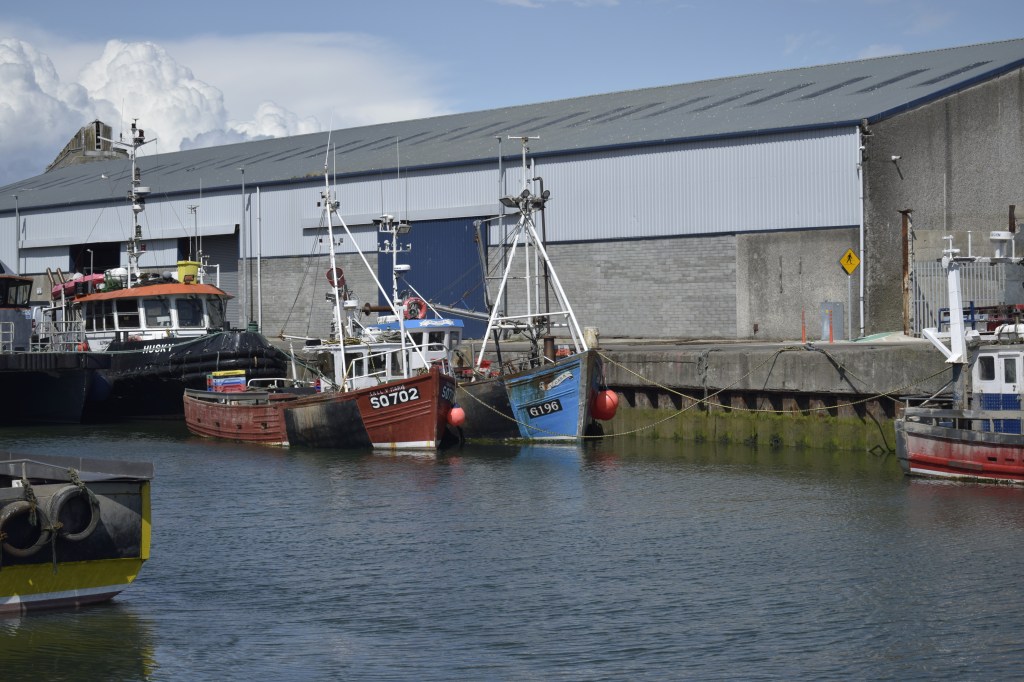
Today the seafront is full of children getting ready for sailing lessons, the quays themselves bustling with business.
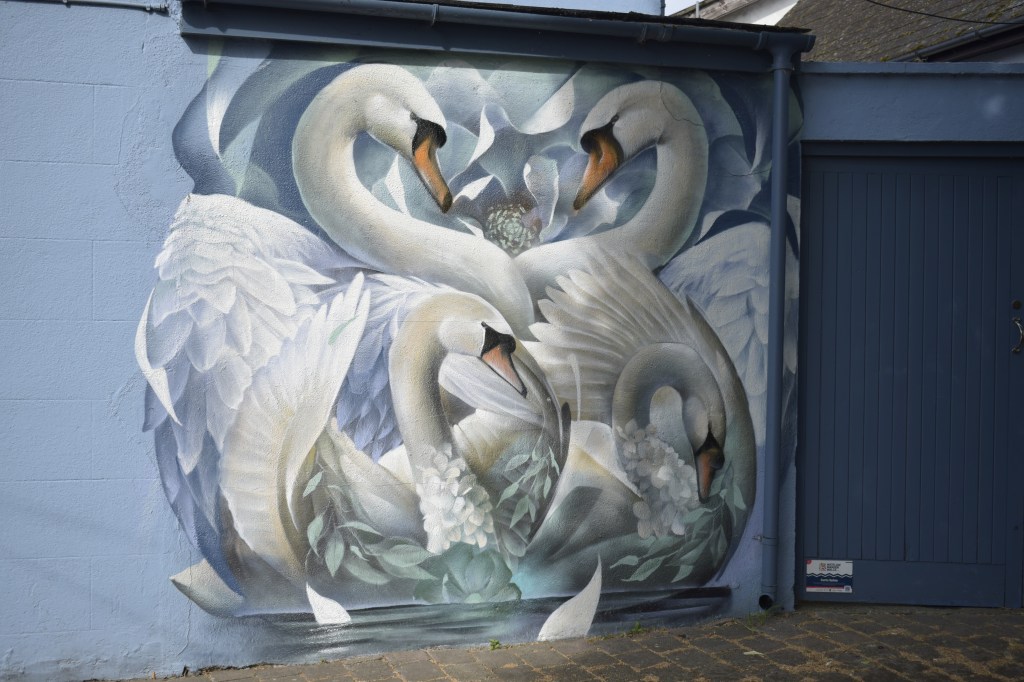
In one warehouse we watch a man work on a wooden Viking Ship. On the opposite wall, there’s a huge mural of a Viking and ship, recording how the town was settled in 9th Century.
The town’s name coming from the Old Norse ‘Wykinglo’, Viking meadow. The Vikings, though, intermarried with the local population. My family coming from Wexford, I like the idea I may be part Viking.
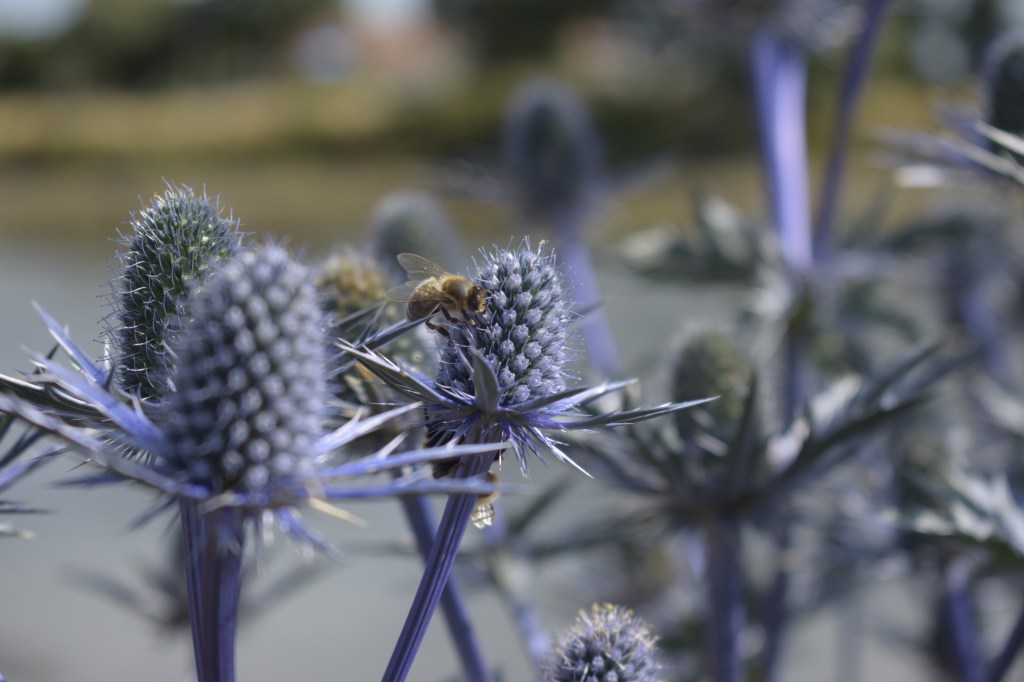
Noticeboards on the seafront talk of the importance of maintaining the sea shore as a carbon sink and to encourage wildlife. The River Leitrim hosts egrets, herons, oyster catchers.
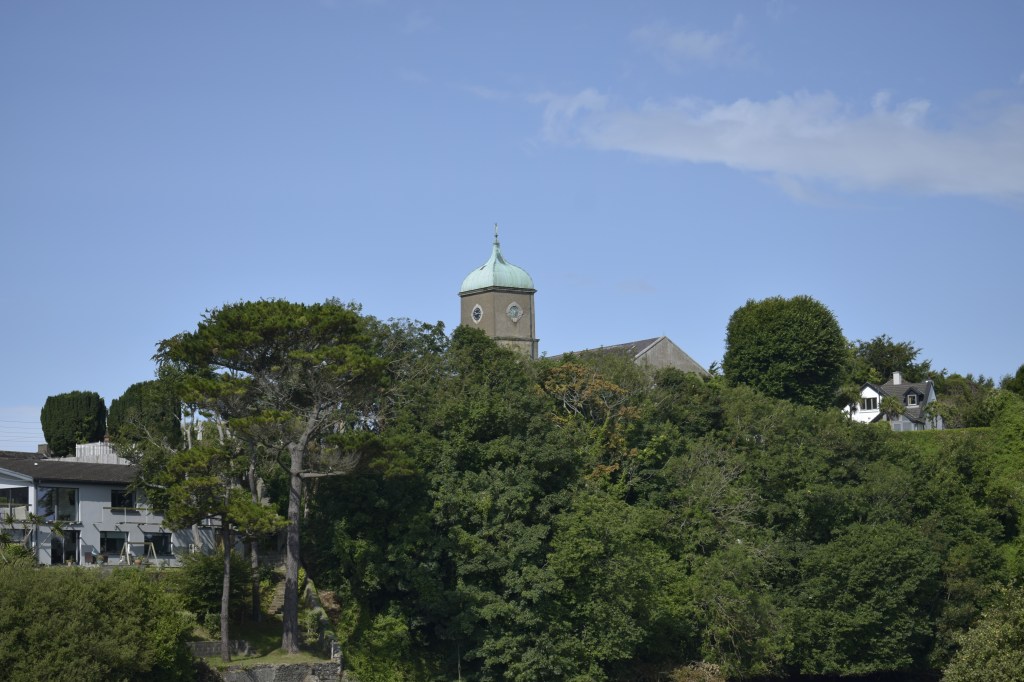
Then, we nosey along in our home on wheels to Cashel. I’m pleased to be camping my own clan’s small site, which sits beside their farm. O’Brien’s Campsite is opposite an imposing monastic ruin, Hore Abbey. I wander around it when the sun makes brief appearances in between wind blowing me off my feet and rain pelting me.
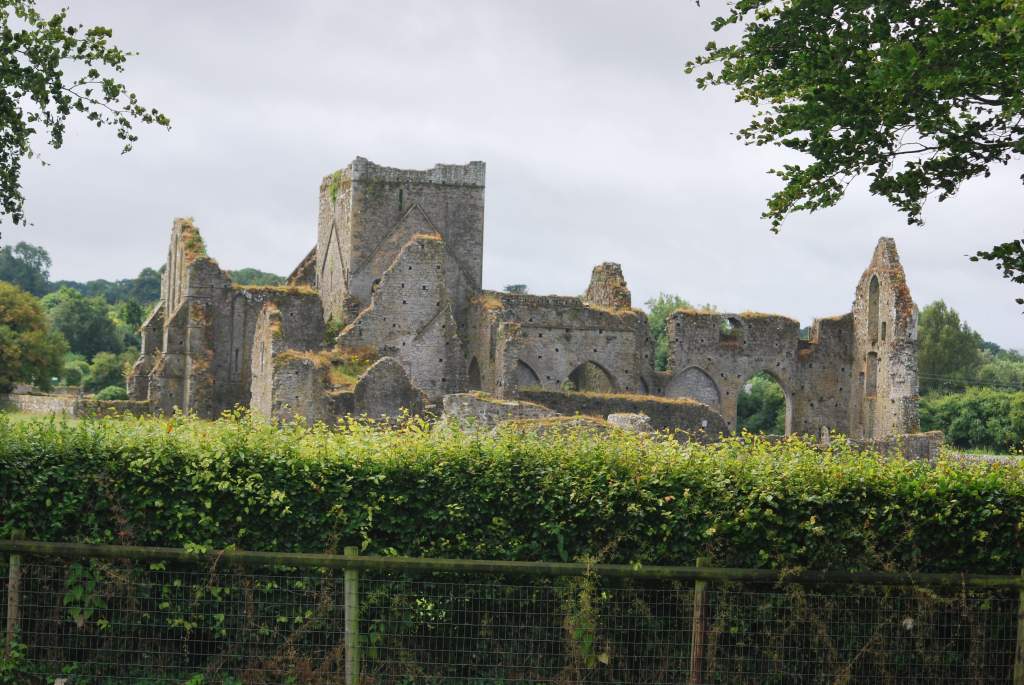
I’m the only person there in the dramatic ruined abbey. I rather like the tale of the Bishop who took the Abbey from the Benedictines and gave it to the Cistercians as he had a dream that the Benedictine Abbot was going to murder him.
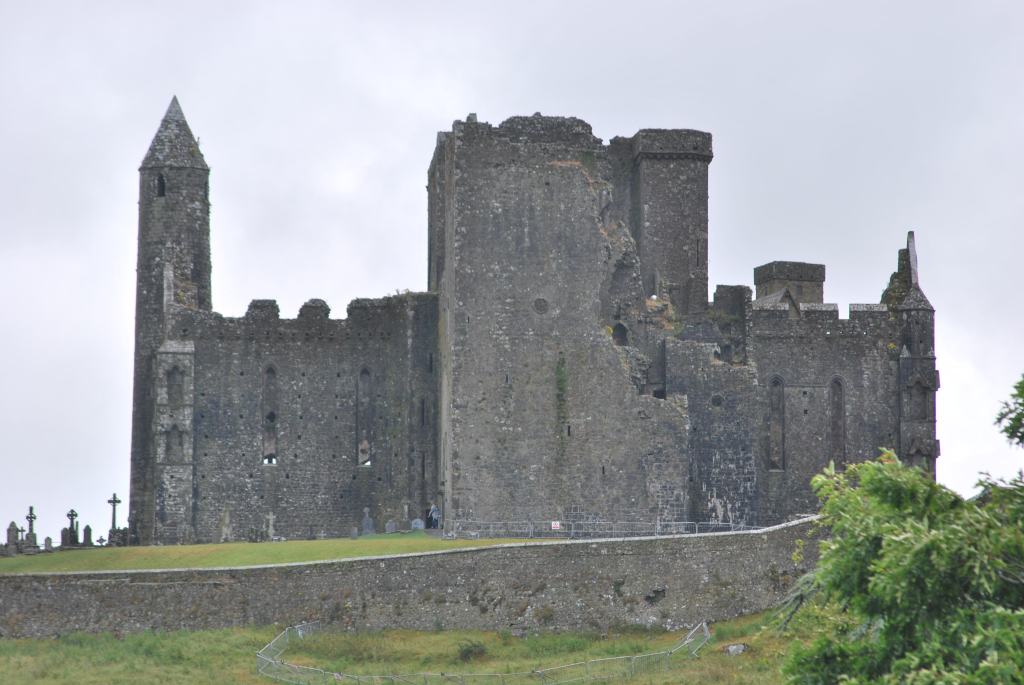
We have to wait for the next morning to grab a picture of the ancient monastic ruins on top of the Rock of Cashel as a biblical storm keeps us confined to barracks. We may feel sorry for ourselves as pine cones land like bullets on our van roof, but the poor cyclist in his little tent doesn’t bear thinking about. Understandably, he disappears into the campsite kitchen pretty early in the morning, his tent wrapped around his neck by gales.
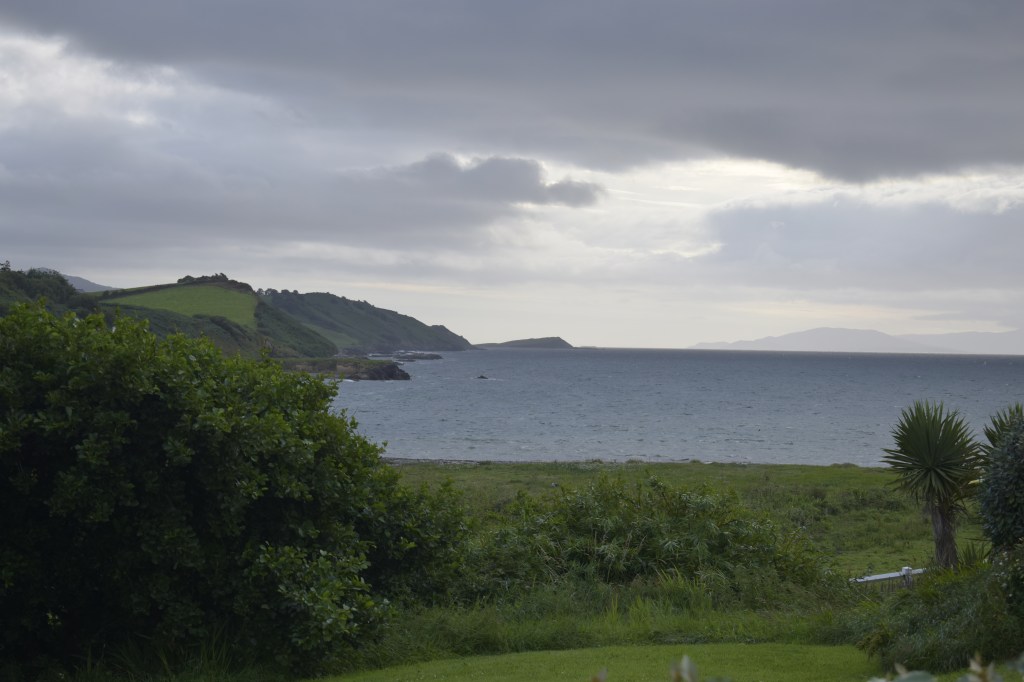
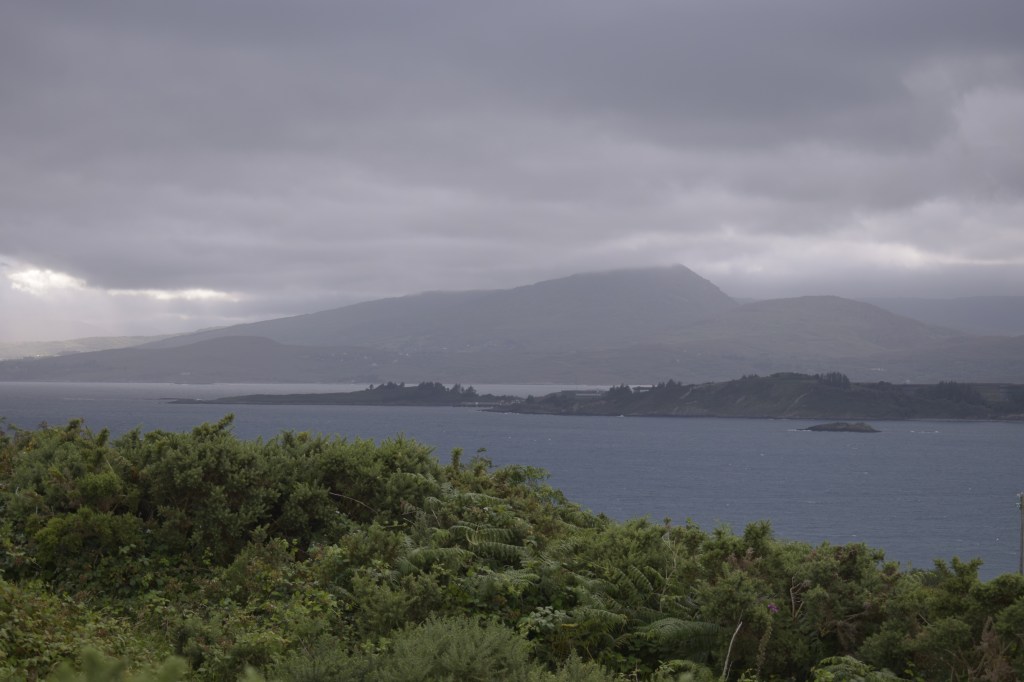
Bantry is always a joy, the bay with mountains ringing it, formed by the glaciers receding many moons ago, Whiddy and Bere Islands floating mysteries in its midst.
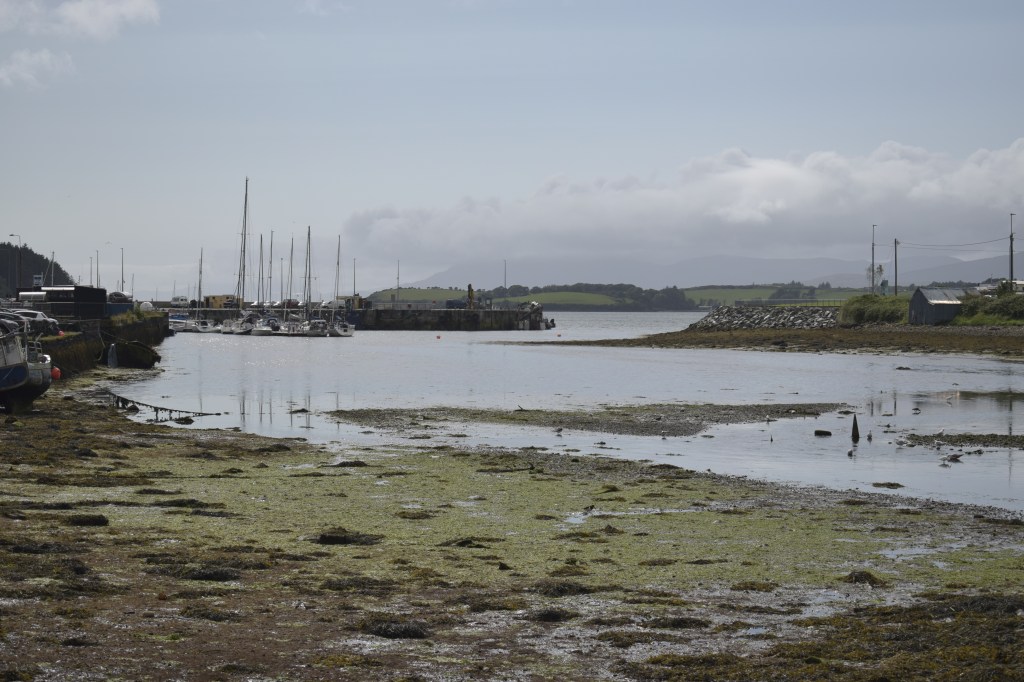
To our delight, The Sheep’s Head Way runs through the West Lodge Hotel grounds, which allows camping of motorhomes. The Sheep’s Head Way is called that as it runs out along the peninsula, which is in the shape of a sheep’s head.
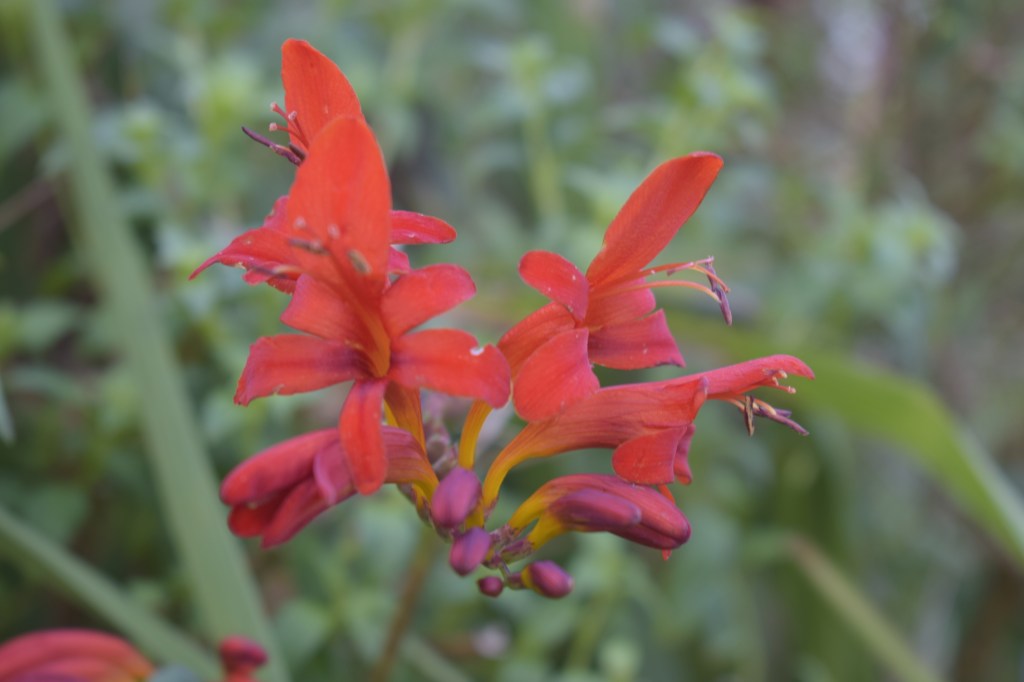
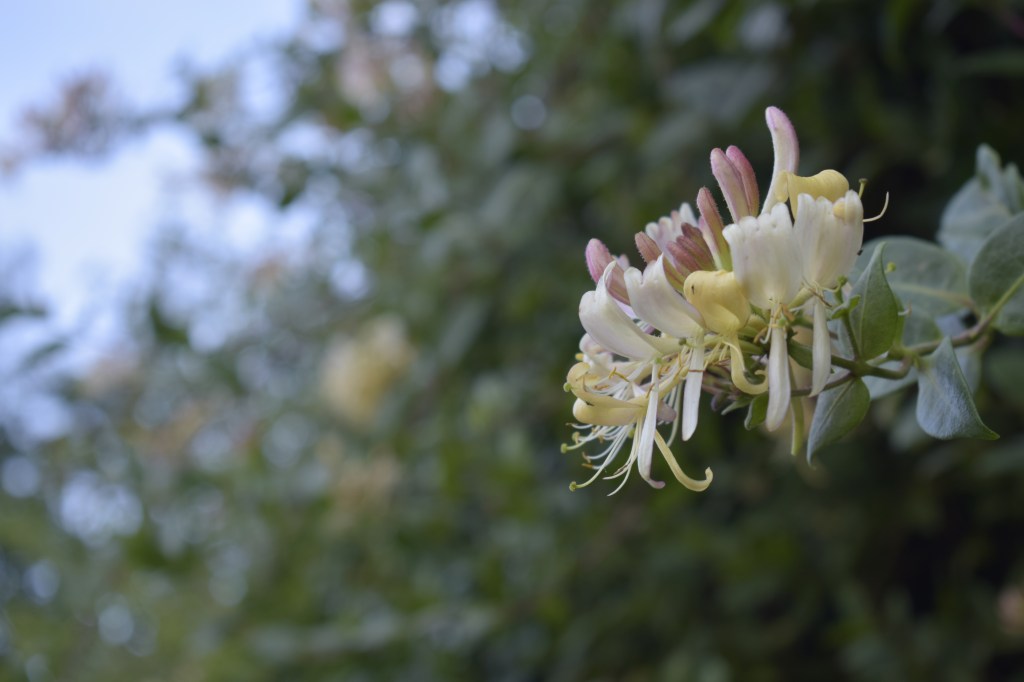
Of course, we have to follow it straight away, out along lanes edged with orange montbretia and hedge’s dripping with red fuchsia.
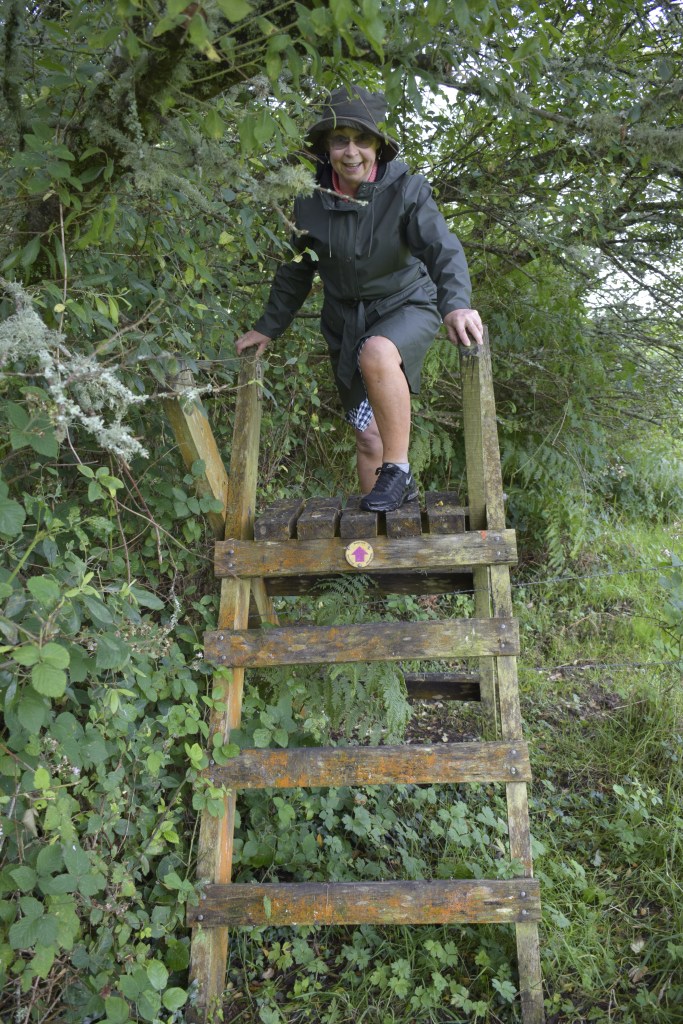
The walk turns off over an almost perpendicular, wooden stile, which very much resembles a rickety ladder.
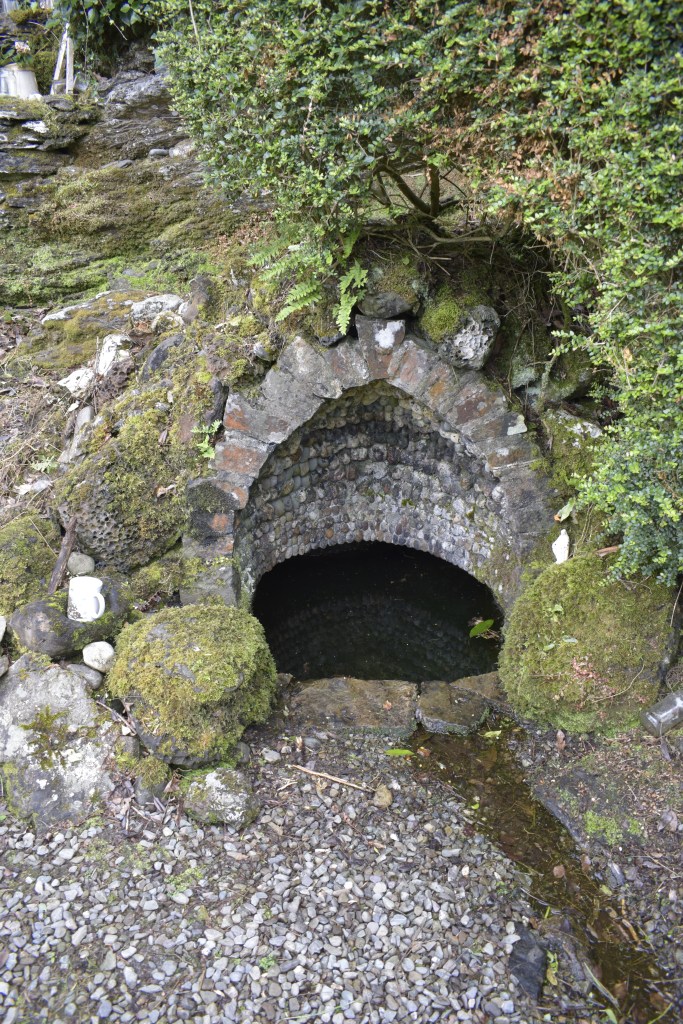
It takes us through tracks edged with purple loosestrife until it plunges through head high ferns, to emerge at a holy well.
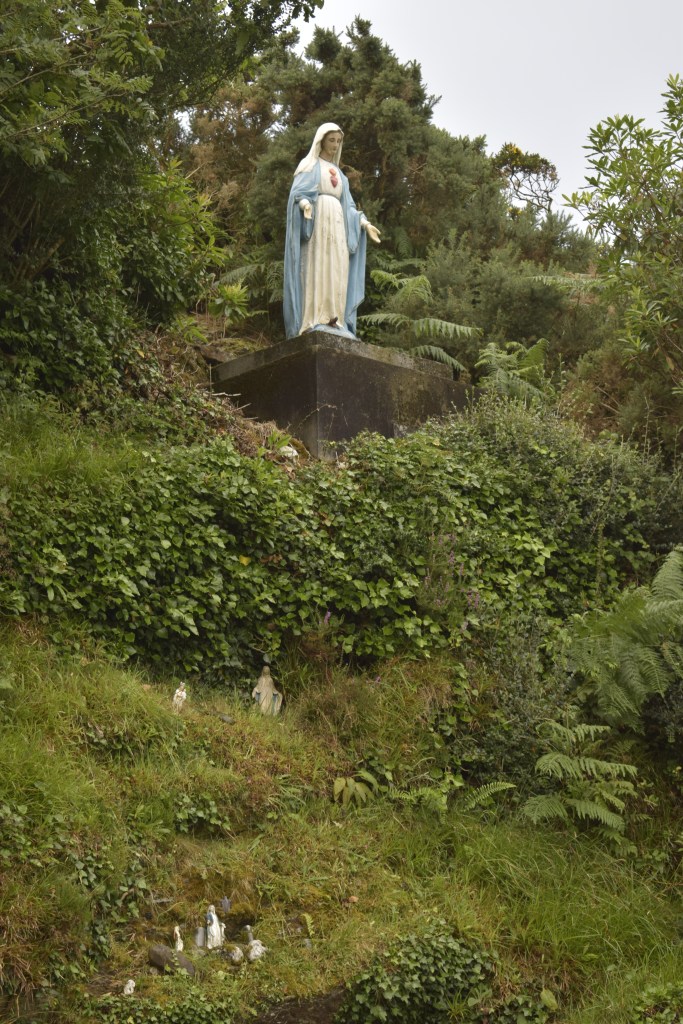
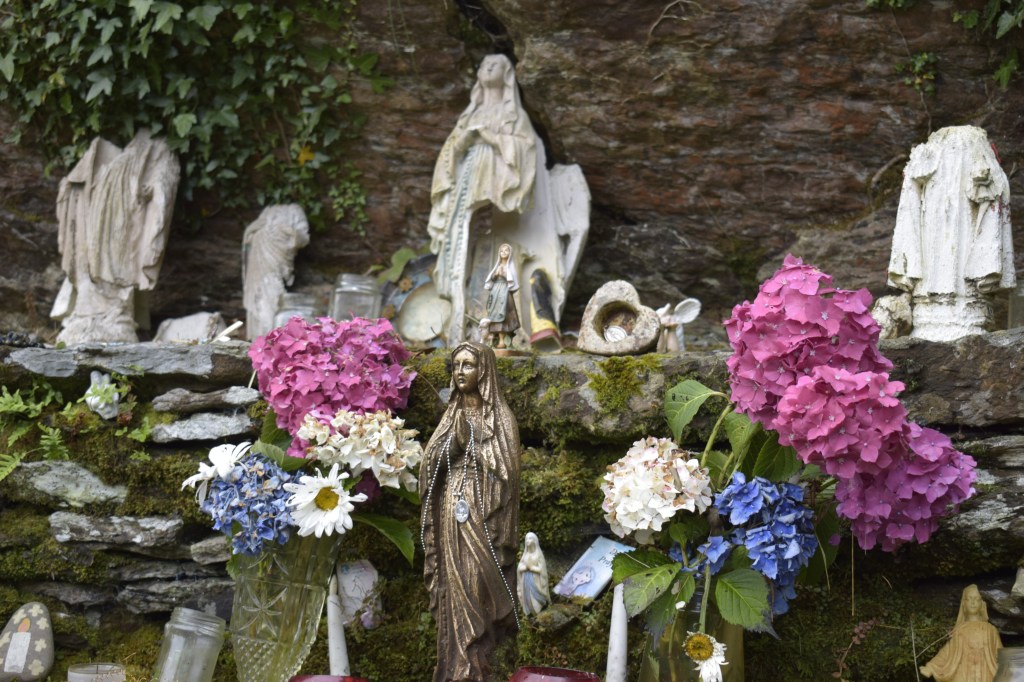
The Madonna tops the grotto and more holy Marys on the altar than you’d see in a tourist shop in Lourdes.
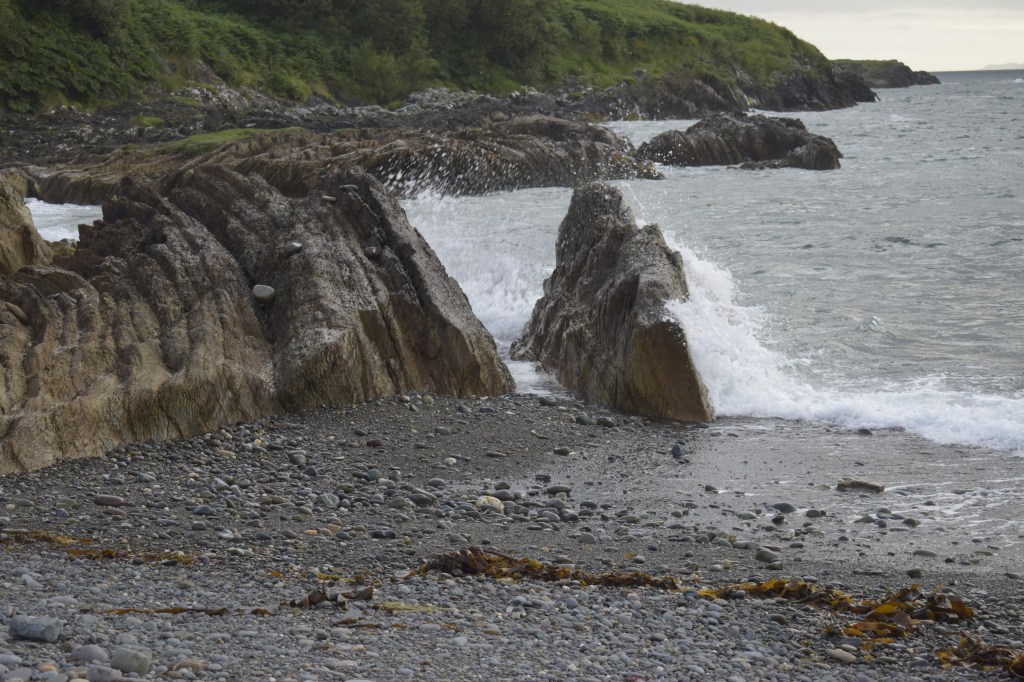
We end the walk in a cove watching the waves lash the rocks with not one other person in sight.
 Campervan Therapy
Leave a comment