It’s as if there’s a festival in the carpark of the EkoCanpina at Arbitzu, in the Pyrenean foot hills. Large groups are partying while they wait. But far from being turned away as I suspect we will be, they find us a place in the field, right on top of the outdoor gym equipment.
We’ve history in this respect as one Austrian campsite squeezed us in, many years ago, to the middle of the children’s playground. Our children, small at the time, were spellbound to wake up in the caravan and see other children’s legs dangling from the climbing frame above their heads.
The reason for the crowds? The woman in reception tells us it’s St. James’s feast day, a local holiday, for Navarra and the Basque country and there’s a Basque festival on in town.
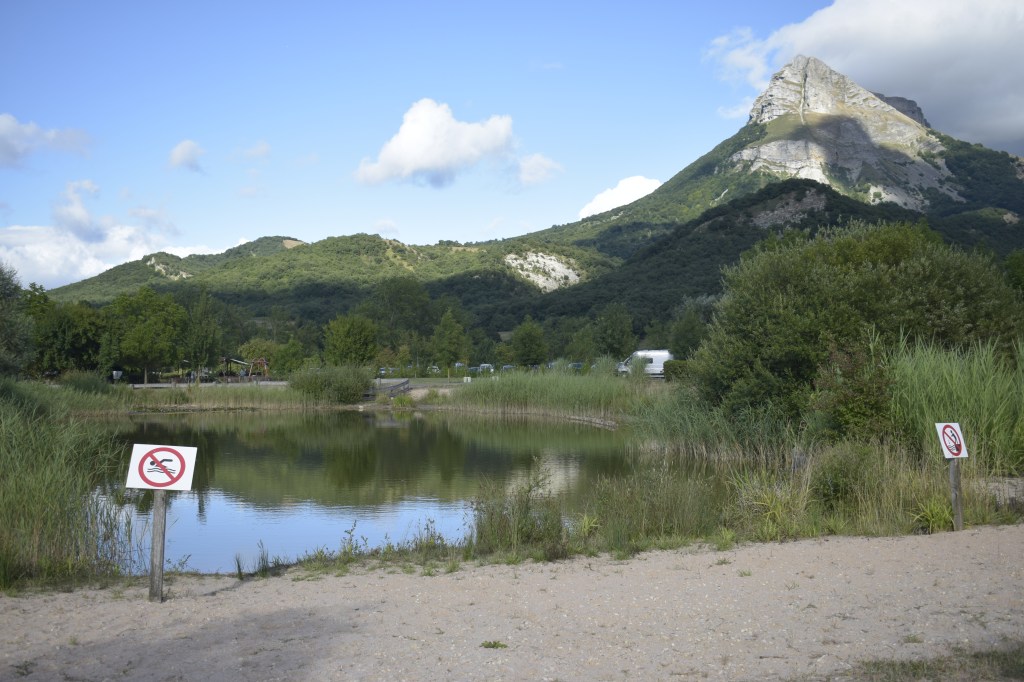
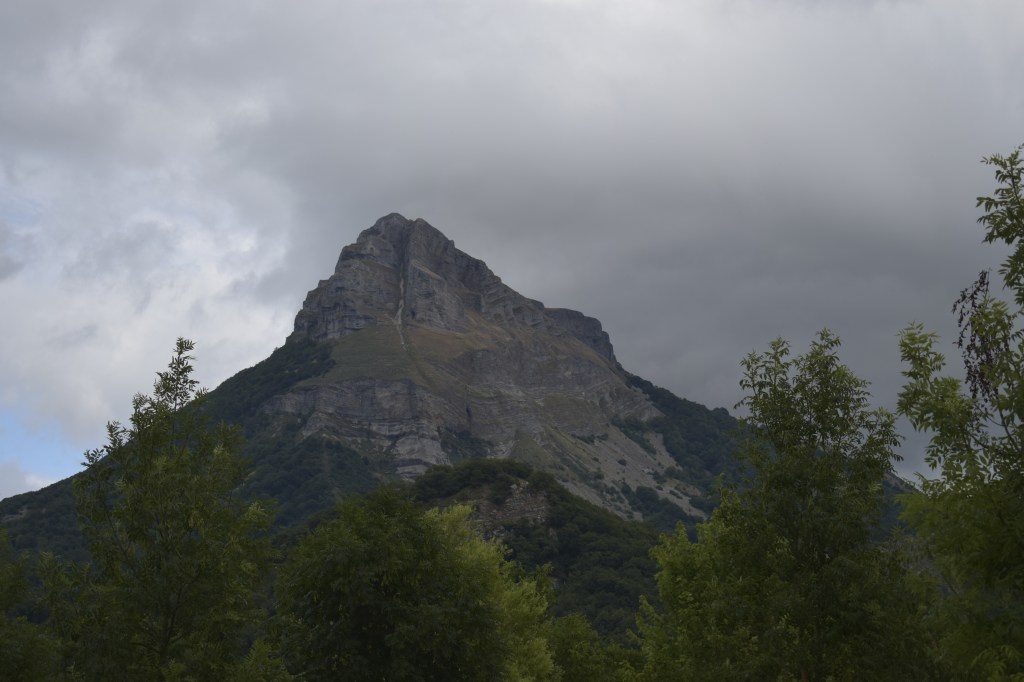
We know we should check it out as the music reaches us all the way at the campsite, but we’re mesmerised by the vultures swirling around a monster canine of a rock. It pokes up into clouds that swell and disperse as we’re watching. The vultures circle in columns, before staging a fly-by over our heads to descend on a just harvested field.

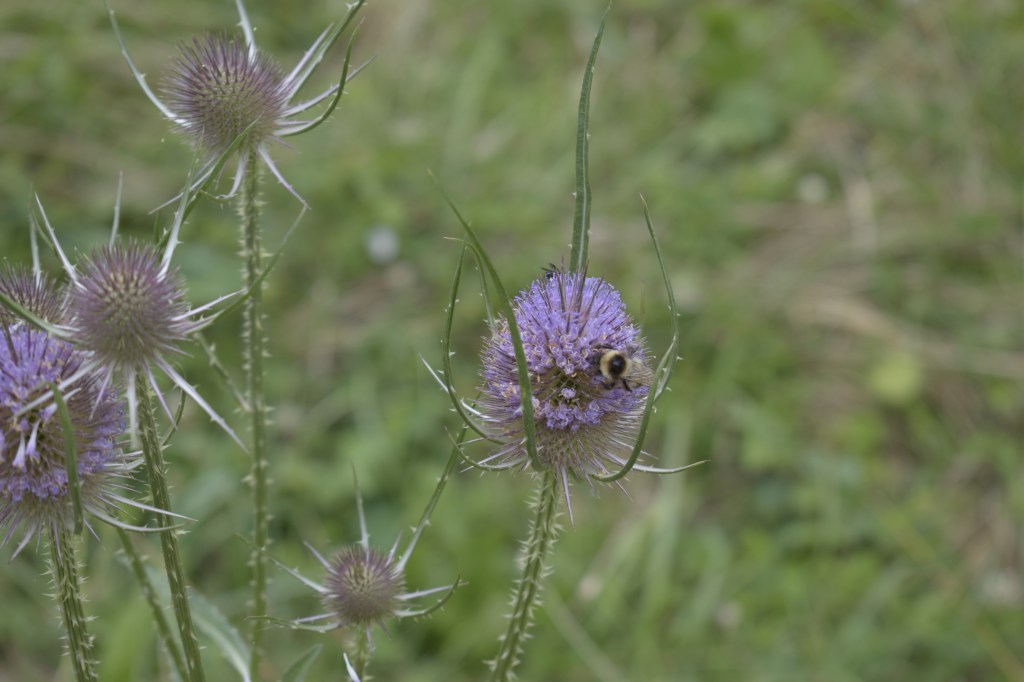
The walk into town is less than a mile. We follow the track through not just strips of wildflowers, which we’ve started to do in West Sussex to encourage biodiversity, but whole meadows, so it’s no surprise that the swallows swoop, and finches, wagtails and pipits dip and dive over the flowers that have now gone to seed.
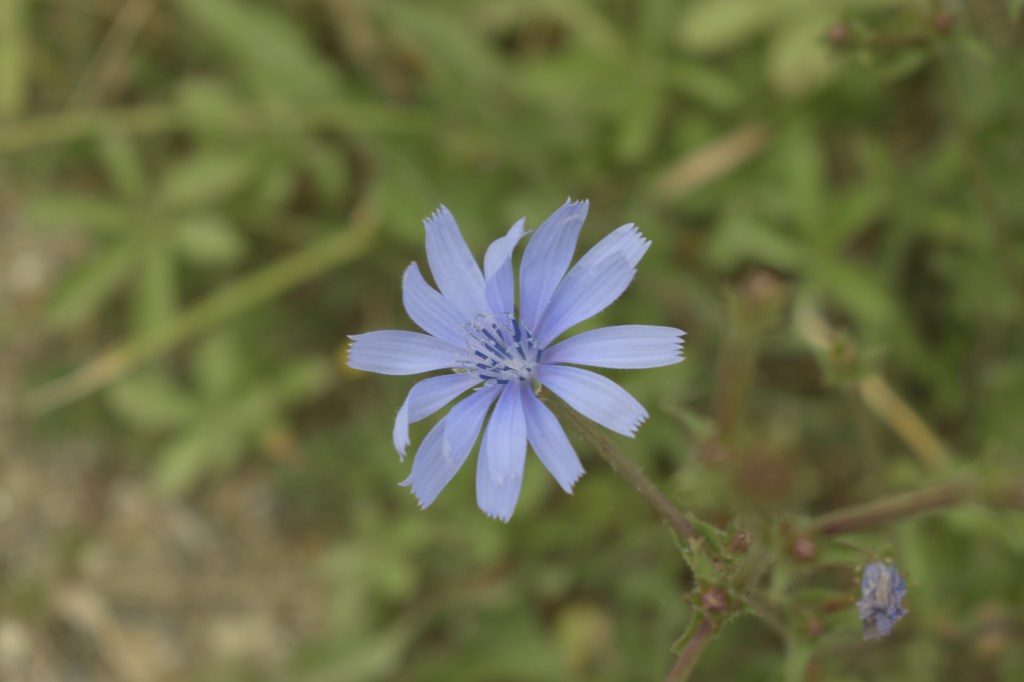
We promise ourselves we’ll return in Spring to what must be a Van Gogh riot of colour.

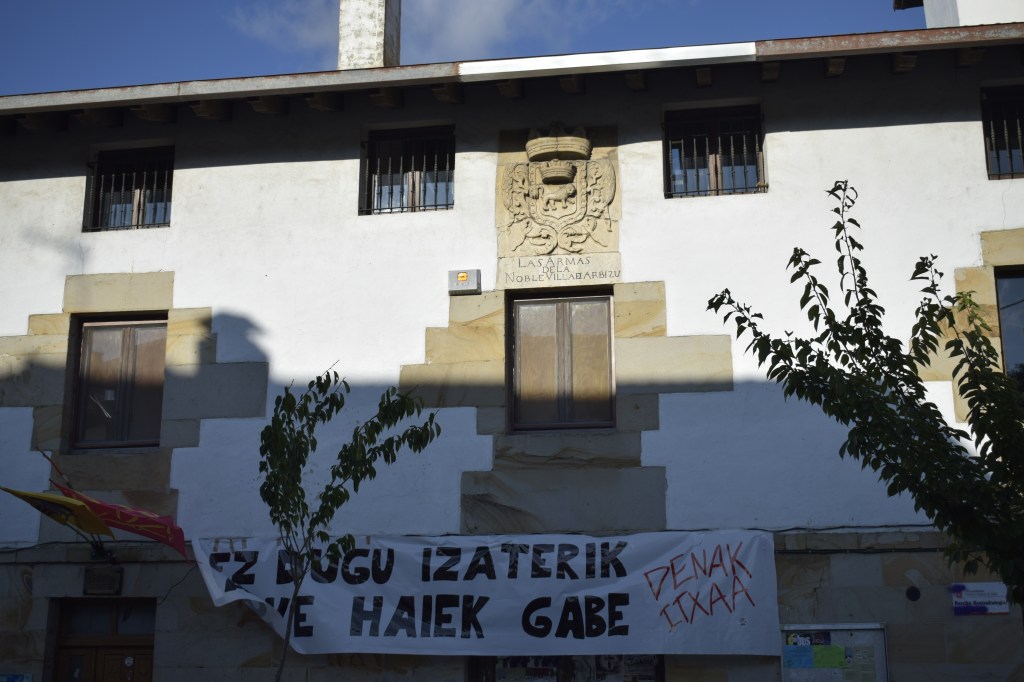
Arbitzu town is picture-postcard beautiful, Basque houses, with sturdy oak beams, golden stone and iron-wrought balconies festooned with geraniums. But there’s another side to this bucolic scene. The graffiti on the walls talks of ‘Tortura’ (torture), a sombre thought.

The next wall is daubed with a declaration of an independent Basque state, and a Socialist state. People here feel very passionate about it, a street sign is spray painted with the words: ‘This is not Spain’ – a belief that seems very much alive here.

The next day we follow signs to Unanu, a mountain village, passing Pottok ponies, the ancient Basque breed of small, semi-feral and hardy animals, well suited to the Pyrenees.
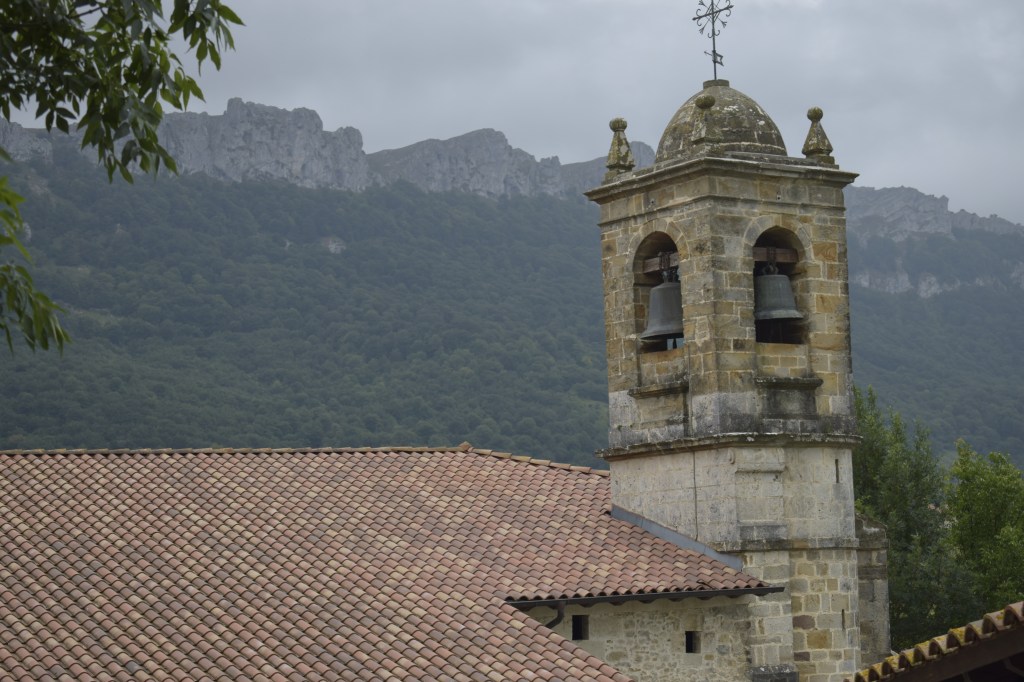
The vultures circle even closer as we walk from hermitage to hermitage, from San Andreas to San Juan in the next village along.
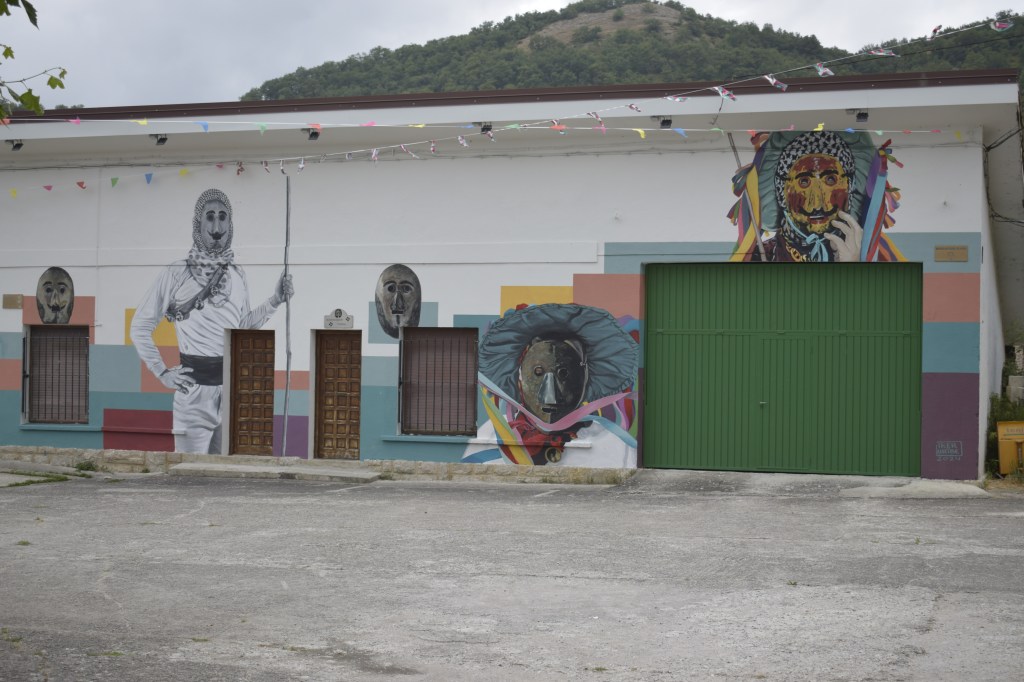

I can imagine the pilgrims for the Camino, crossing the border in the snow-swept high Pyrenees and descending through these hermitages.
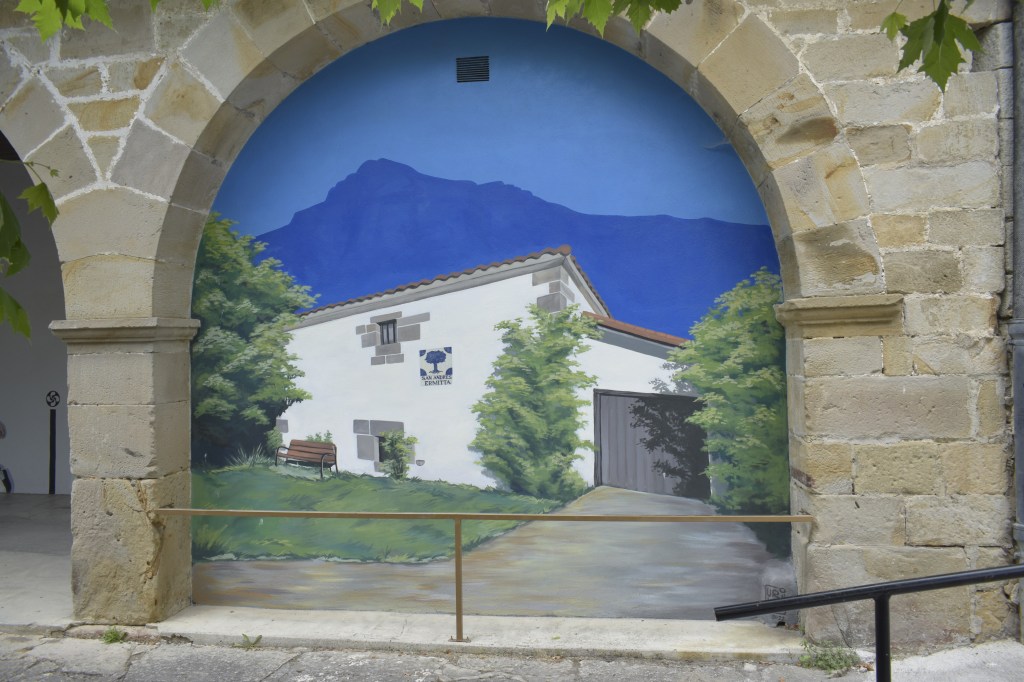
The shelter, food and wine every bit as important as the religious observance.
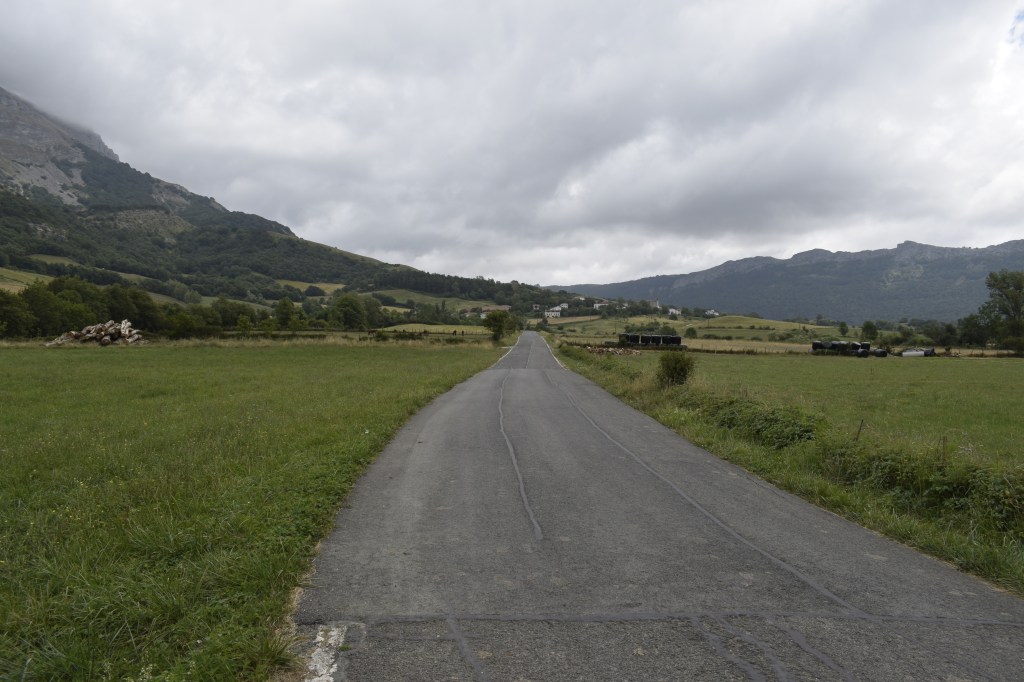
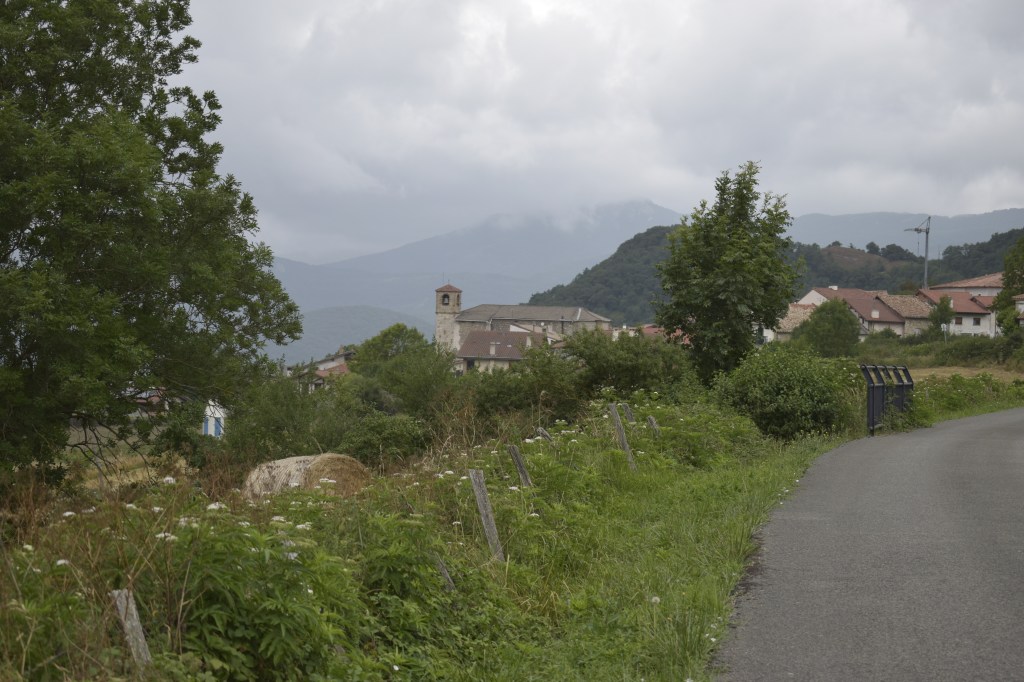
On our return, we’re treated to a display of spectacular shepherding skill. A man ululates instructions to sheep, without any help of a sheep dog, and they all just trot across the road to a new field behind him as he saunters up the lane.

We end our day in the restaurant with a superlative mixed salad, local reared steak, all washed down with a silky wine from Navarra.
A walk around the hazel tree woods on the campsite and we’re serenaded to sleep by the distant strains of a Basque band that sound very much like the Waterboys.

 Campervan Therapy
Leave a comment