As the ferry sails towards Elba, I cannot detach Seán from his App that tells him the names of the romantic, volcanic islands. Excited as a boy, he points out what he thinks is Pianosa, which we later discover is called the island of silence; then Capraia, island of goats; Montecristo, setting of Dumas’ tale of the young treasure hunter. No sooner does Seán think he’s identified them he realises he’s been looking at the map upside down.
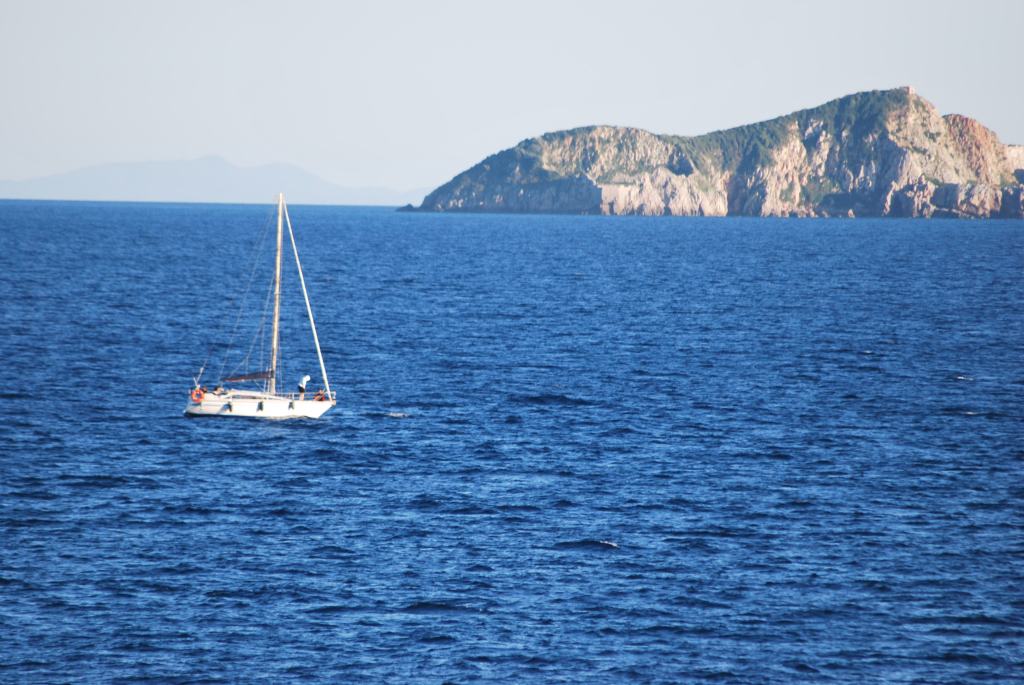
Elba’s wooded slopes soar up from the sea, and I can see where the myth arose that it is one of seven Aeolian islands that were formed when Venus dropped her necklace, scattering its precious stones into the sea.

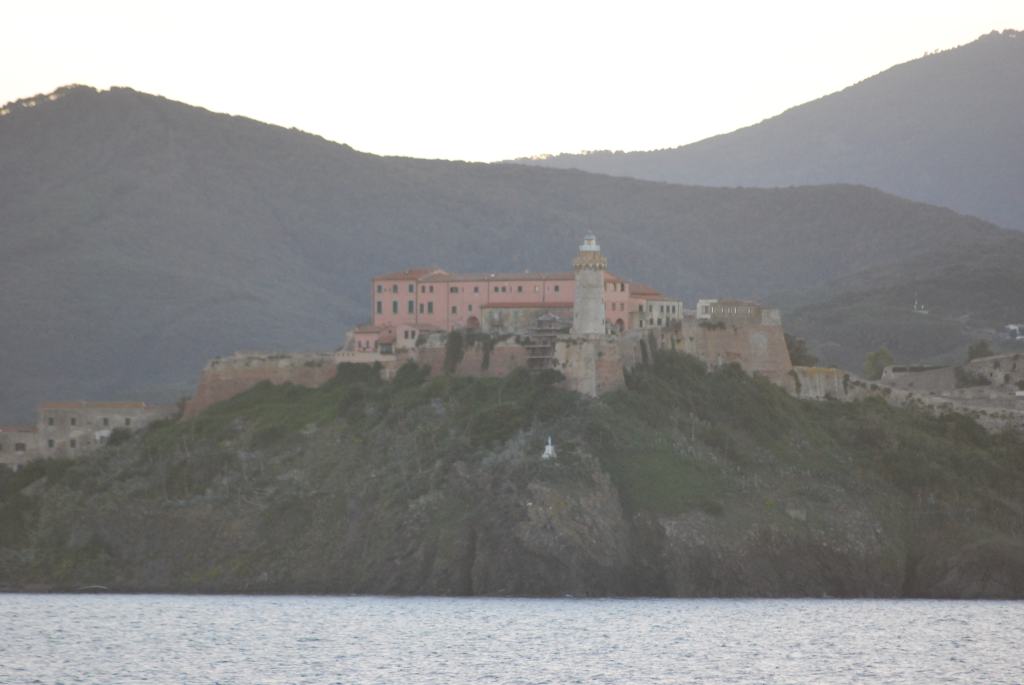
We sail by the honey stoned Fort Falcone at Portoferraio, one of the three forts built to defend the town when it was called Cosmopoli in 16th Century.
As we drive around the island to the west side, to Camping Lacona Pineta, the hills are shrouded in dusk, but I can smell the distinctive Eucalyptus and pine trees. We fall asleep to the whoop of a Scops Owl and wake to the pebble-bashing song of a stonechat.
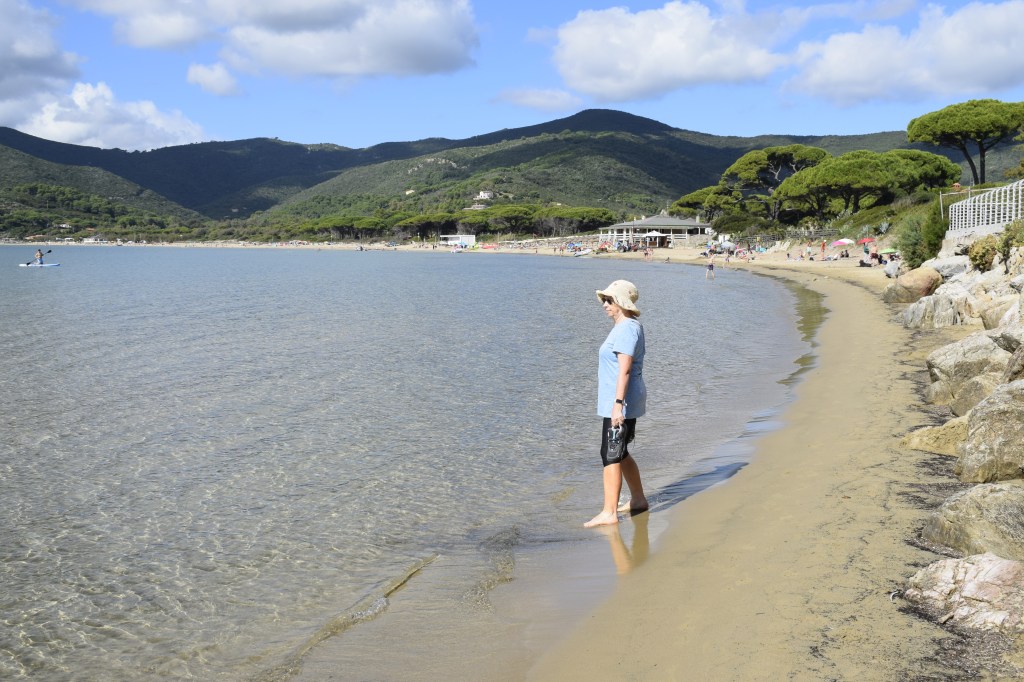
We ramble along the crescent of fine sand at Laconella Beach with russet cliffs a backdrop. Soon we stumble upon the 215, a stone-strewn walking track that takes us out along the bay. Rosemary’s lavender-blue flowers compete with yellow fleabane, fantail ferns, Agave, Umbrella pines and cypresses to create the quintessential Mediterranean picture.

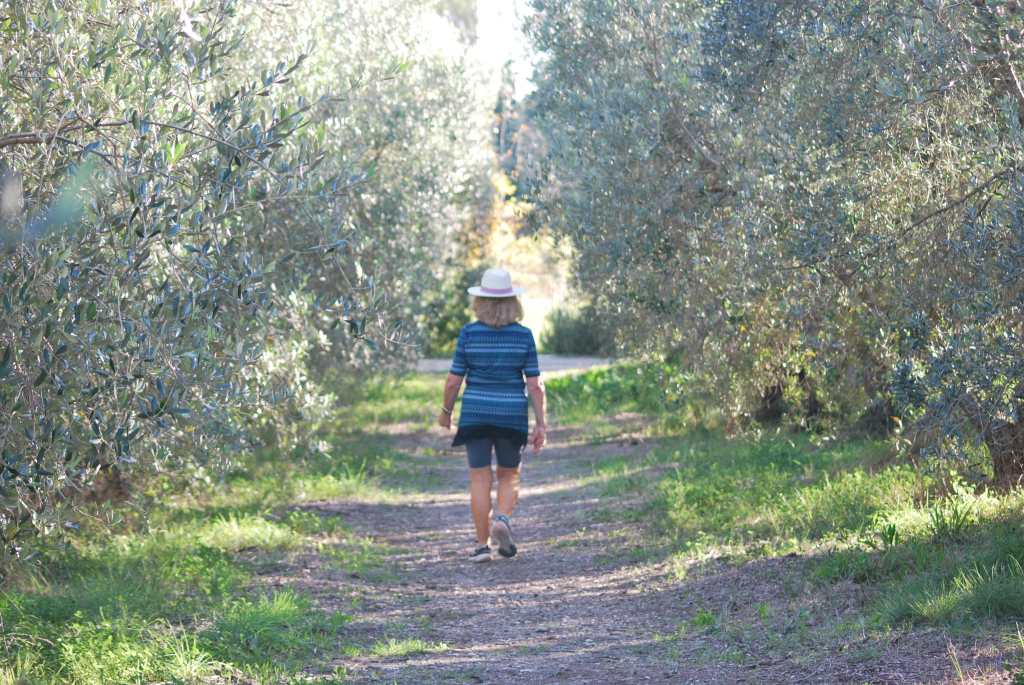
The afternoon brings on a serious case of campsite FOMO – as we pass the Orta di Mare Agricamping in the road parallel to the sea front. Its restaurant is organic, and its setting among olive groves and vineyards is impossibly romantic.
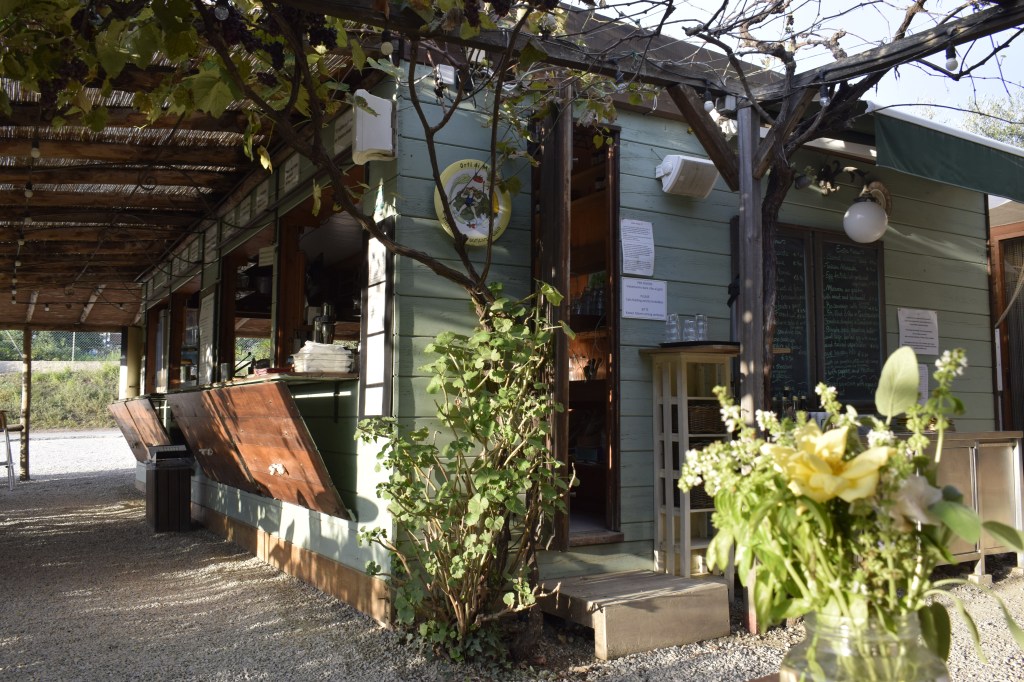
The dining area has mismatched brightly painted kitchen chairs and sturdy wooden tables. Above us hangs an ancient, fat purple-grape vine.

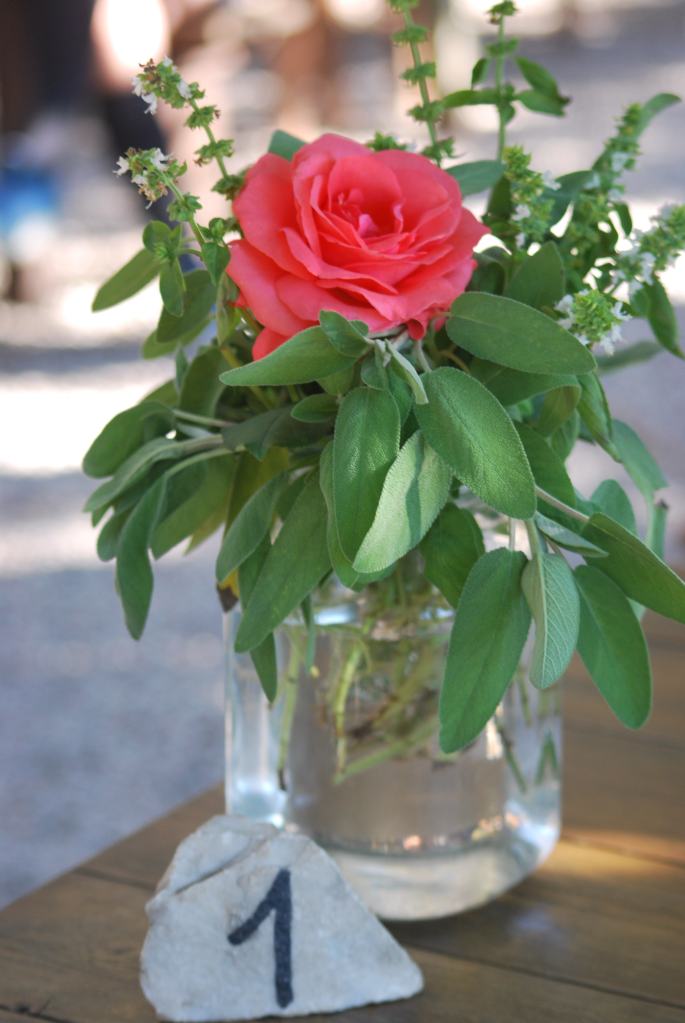
The roses on each table sit in old olive jars with sage and basil as greenery. But Himself is not up for moving the van from Camping Lacona Pineta, as it’s footsteps away from the beach.

Not only does the Agricamping grow their own vegetables, but positioned around are philosophical, literary and eco-political quotations. A rather depressing one is by Raffaello Foresi, “Changing destiny, after all, merely falls in the realm of what is possible, to be beaten down in the process falls in the realm of what is probable.” So I just focus on poet, Pablo Neruda’s “I will send you a kiss with the wind/And I know you’ll feel it.”

The notice boards are a veritable outdoor museum, explaining the thinking behind protecting our biodiversity and future as a species, with the theory that half of the earth should remain undisturbed by human development. The boards also list the 154 wildflowers that grow on Elba, and the seabirds, hares, bats, owls and other creatures that thrive here.
The owners discuss the problem of wild boar and mouflon which were introduced in the 1960s and 70s for hunting, and who now happily rampage around wreaking havoc.

Though the owners can’t be that worried about these wild things as all the gates to the fields, which say ‘Please close because of wild boars,’ swing totally open.
 Campervan Therapy
Leave a comment