Our first morning in San Sebastían arrives with sun shining on our campsite up on Monte Igeldo. Green fields run down to a muted blue sea. The waves smashing against russet cliffs add to the drama, sea spray leaping up into the air.
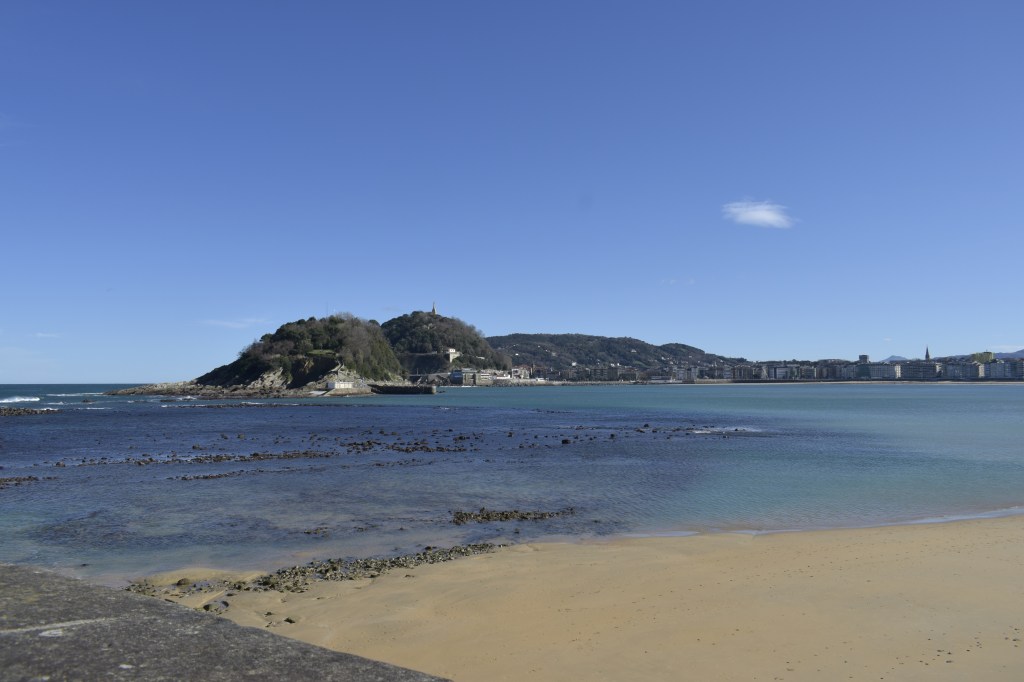
Today, I’m going to be set loose on San Sebastian alone as Seán is holed up marking exams in the van. The bus takes me to the Ondarreta beach’s promenade in twenty minutes. I follow the well-heeled strollers as they promenade beneath Monte Igeldo to the great iron sculptures called, flamboyantly, The Comb of the Wind.
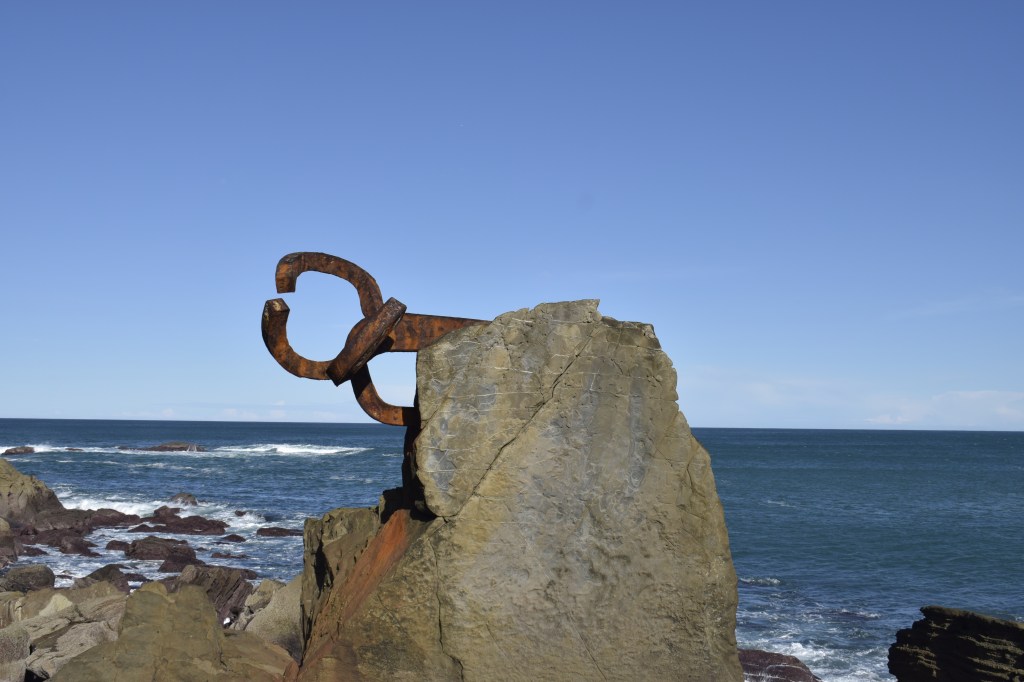
When I show the photos of them to my technical one later, he insists they just look like giant spanners.
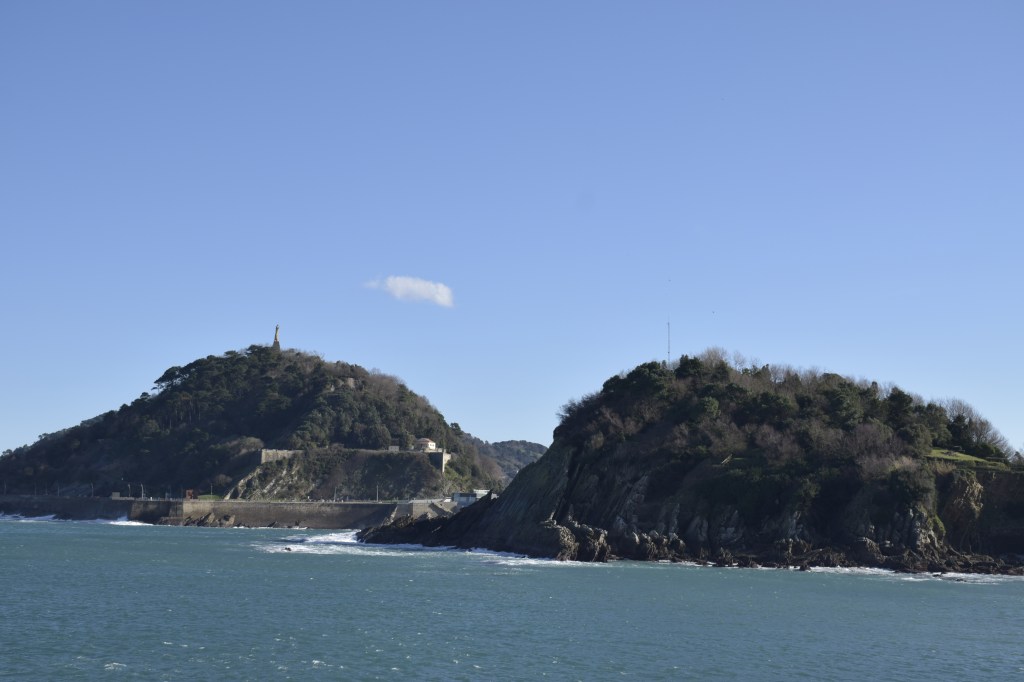
My next stop-off is the summer palace in the park overlooking Ondarreta and Concha beaches, built by Queen Maria Christina in 1887. The island in the bay floats before me and Monte Urgull rises, topped by the massive statue of Christ guarding the bay.
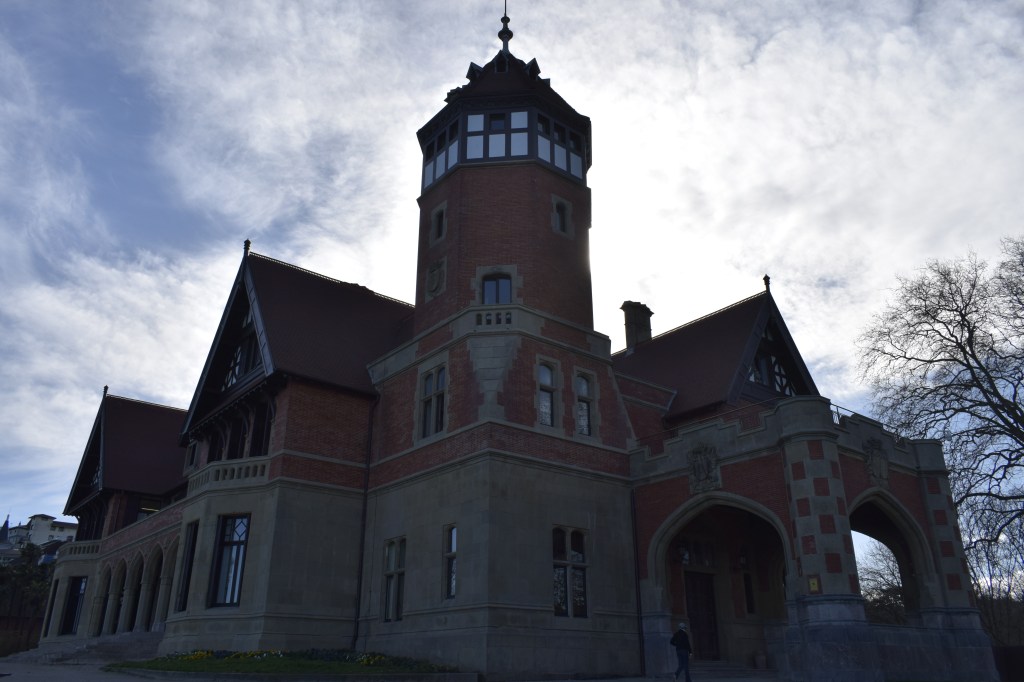
It’s stunning to think that to build the castle they had to move the road and tunnels. The palace is built on the site of a 16th Century Dominican Convent. My favourite story is that of the local girl, Catalina de Erauso, who was forced to be a nun, but escaped. Dressed as a man, she led a life of adventure as a soldier in the Americas, earning her the nickname, the Lieutenant Nun.
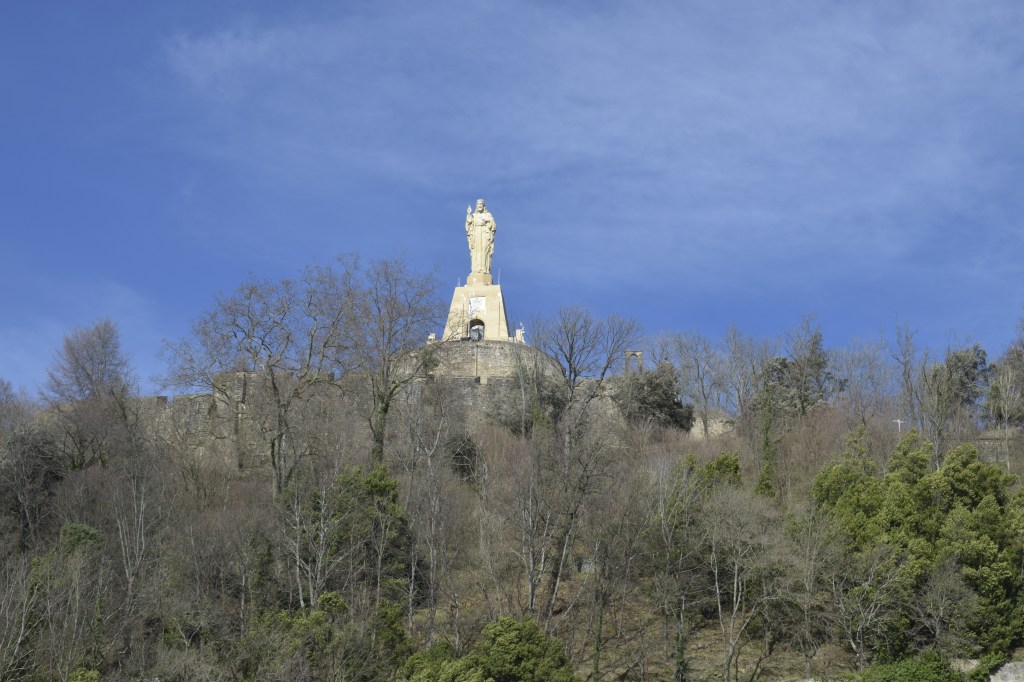
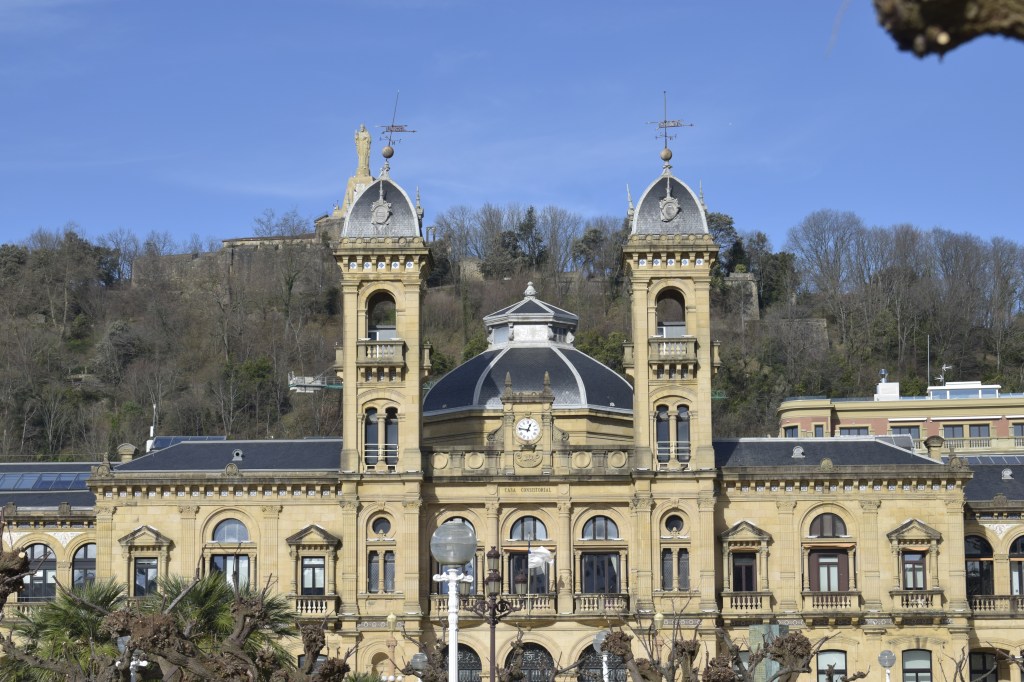
Passing the opulent town hall and the Victorian Carousel, I snoop around the fishing harbour.
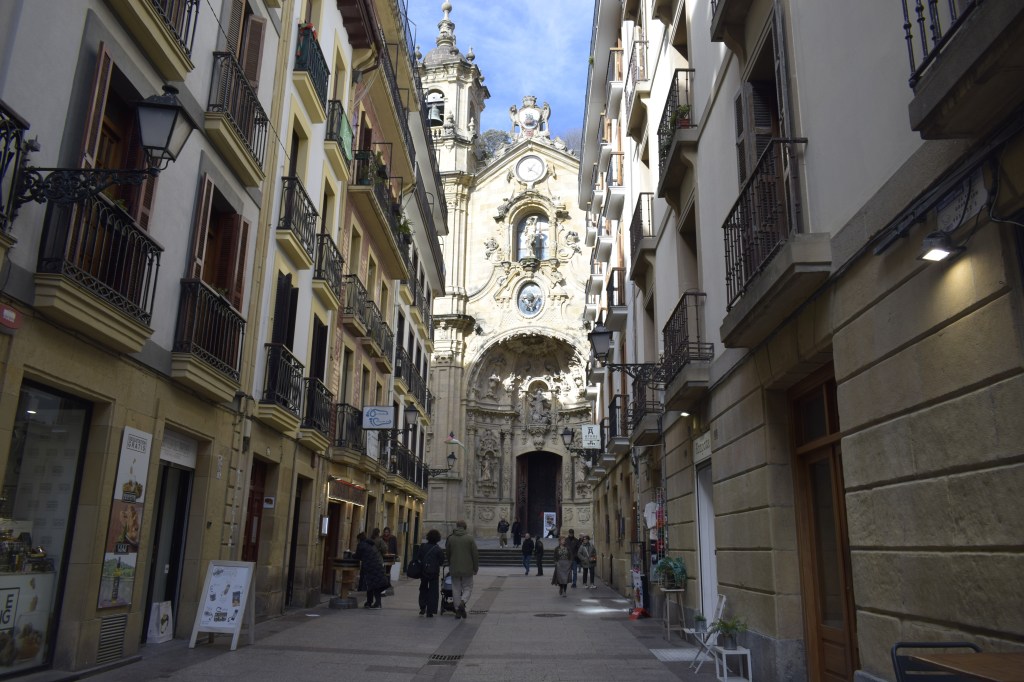
Then it’s on to the Old Town, where I mooch around the Cathedral, alleys, independent shops, and bars selling a cornucopia of Pinchos: octopus, squid, Iberico ham, tortilla, sardines, Padron peppers. It’s easy to see how San Sebastían has earned its place as a centre of Spanish gastronomy.
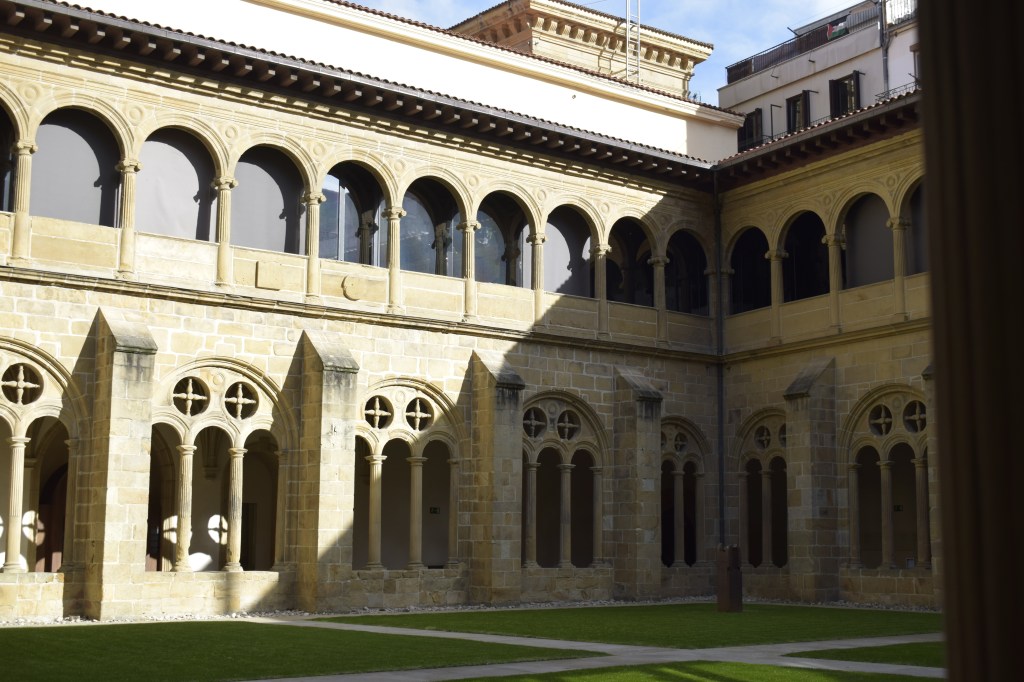
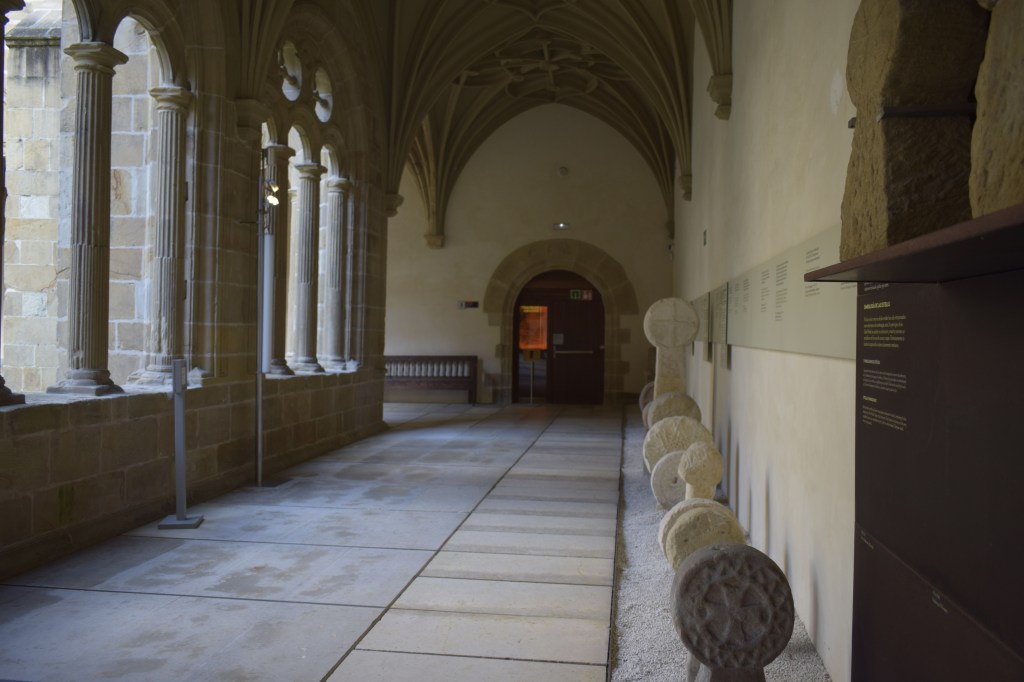
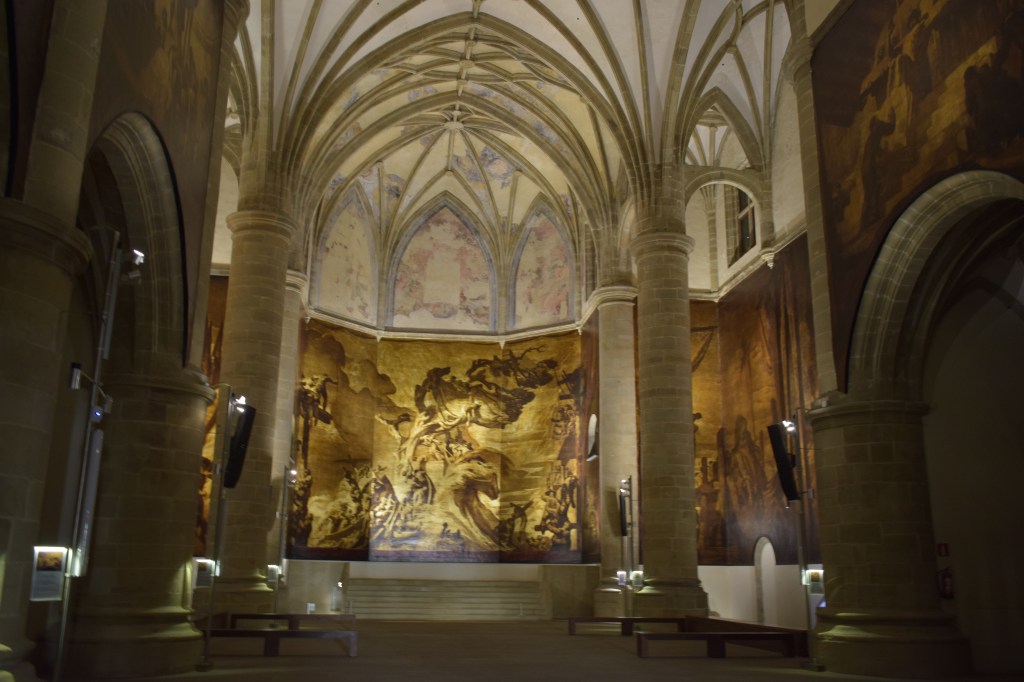
Then it’s on to San Telmo Museum, once a 16th Century Dominican Convent, now a museum of Basque Society. I soak up the peace in the cloisters, looking out at the ancient tower.
The old monumental church is now home to the painter, Sert’s giant canvases, depicting the Basques as shipowners, freedom fighters, fishermen, navigators, merchants, blacksmiths and saints. The vast brown hued paintings bring to life the drama of the city poised on the edge of the sea.
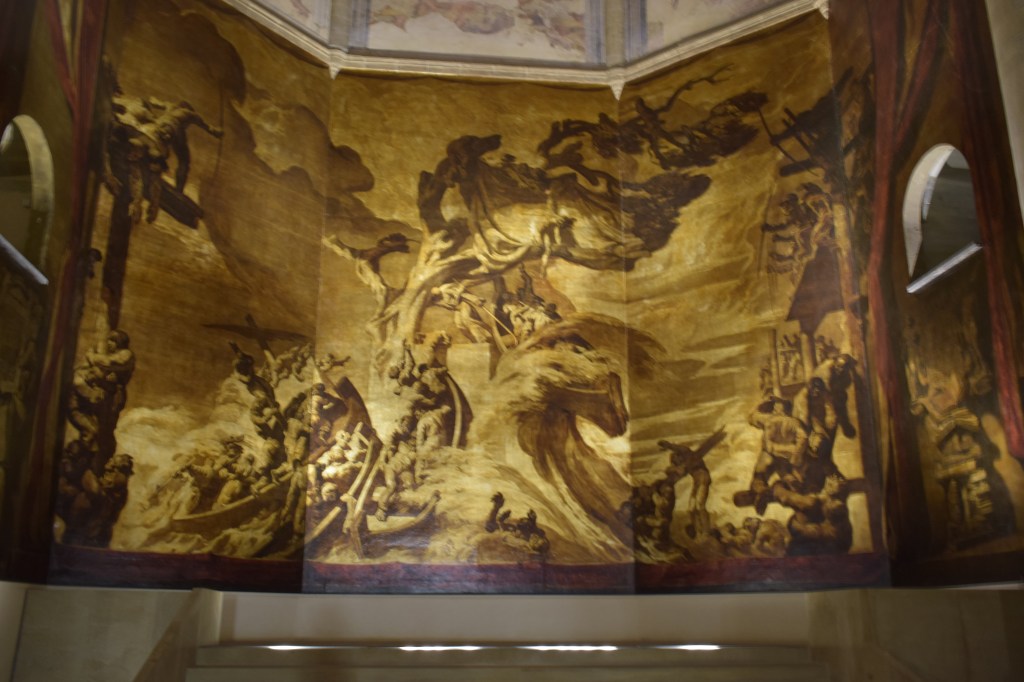
The other rooms trace the impact of four civil wars on the Basque country, starting with the Carlist uprising in the 1830s and ending with the Civil War in 1930s. But I find the cultural context the most moving, the photos of women weaving together as they sang and told stories, the young couples courting while they tended their sheep.
There’s five hundred years of painting housed in the upper gallery too, including works by Rubens, Tintoretto, Zuloaga, El Greco, Chillida, Oteiza – a true feast for the senses.
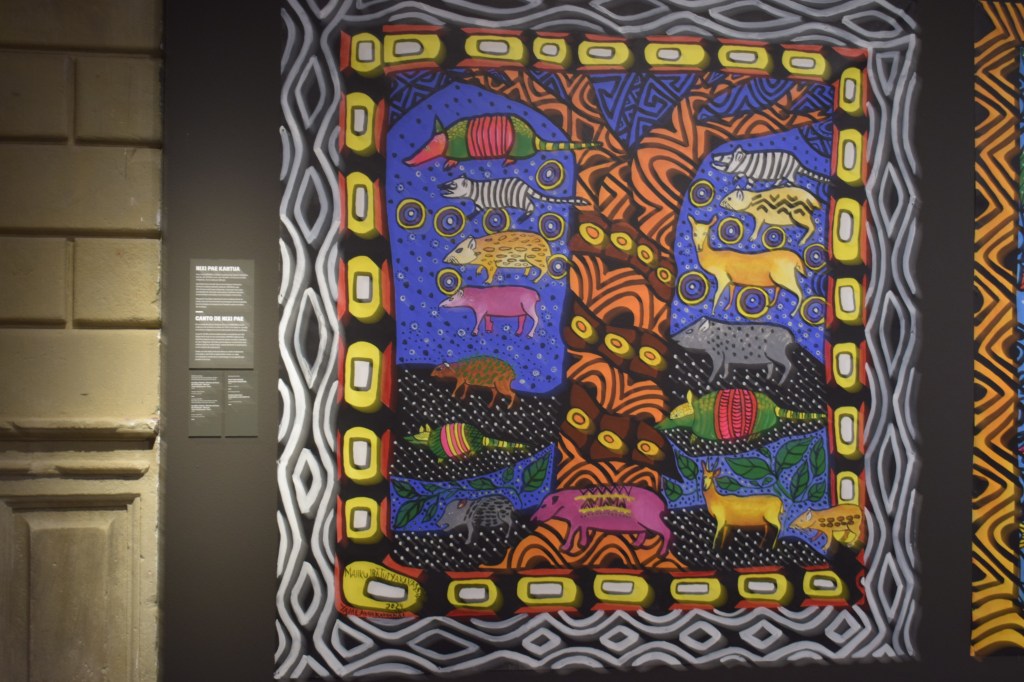
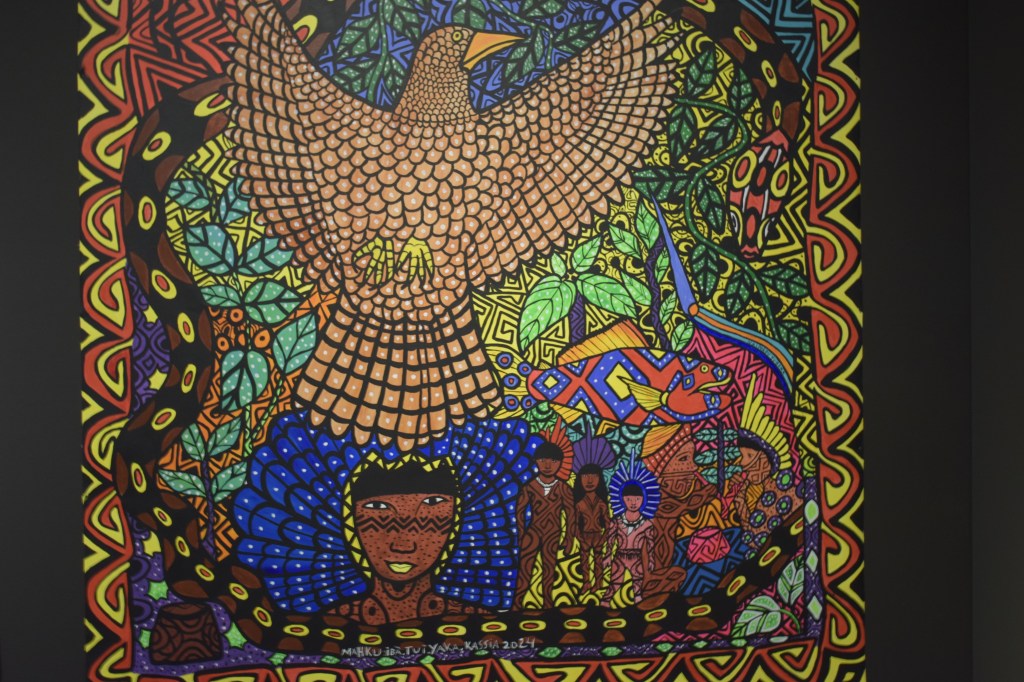
I’m so lucky to stumble across the temporary exhibition on The Amazon, The Ancestral Future. The exhibition presents the fantastic ecosystem of the Amazon and the threats to it, including vivid artworks and a shelter woven by indigenous people out of tobacco leaves.
When Seán arrives, we head for the Ondarreta area, because we want to immerse ourselves in a local area. Amid the hubbub of friends and families feasting in Restaurant-Bar M’ Martin, we demolish delicious squid, prawn and tuna salads.
 Campervan Therapy
Leave a comment