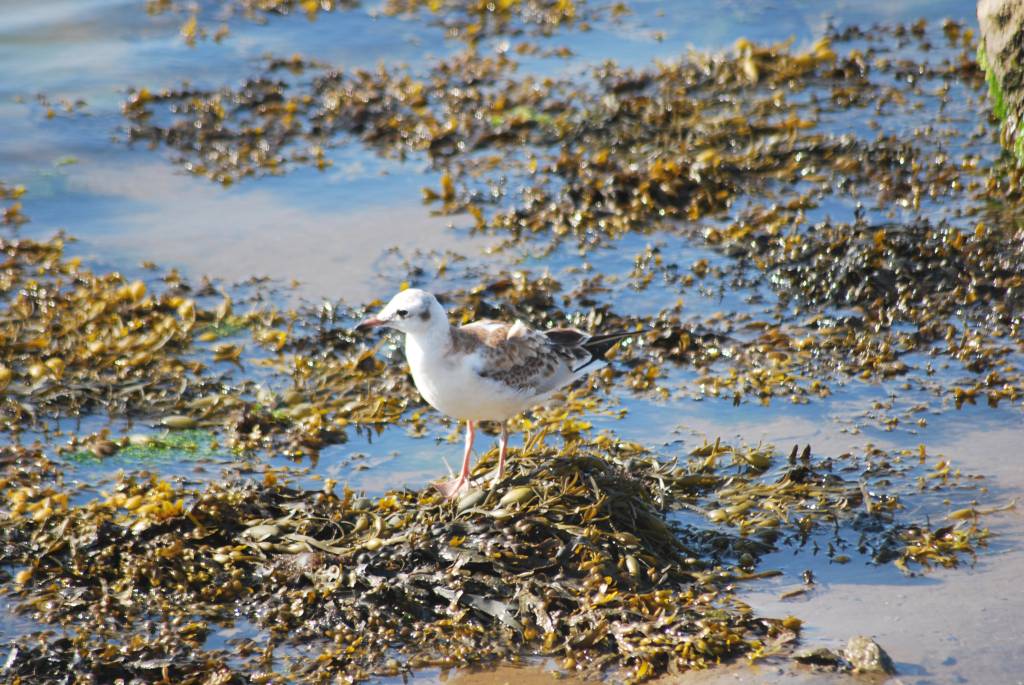
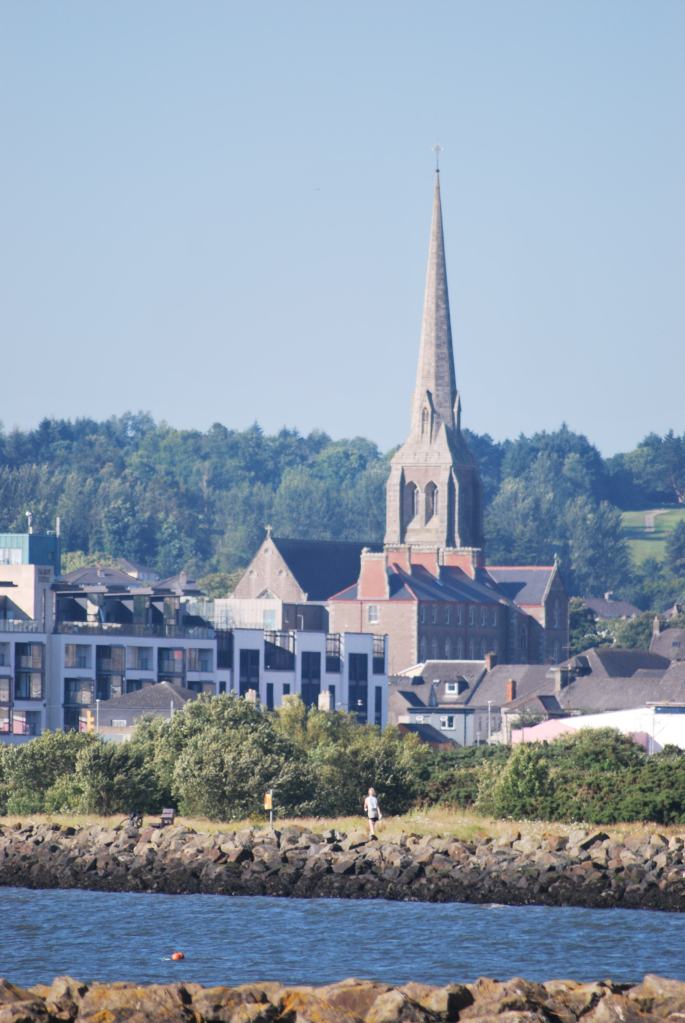
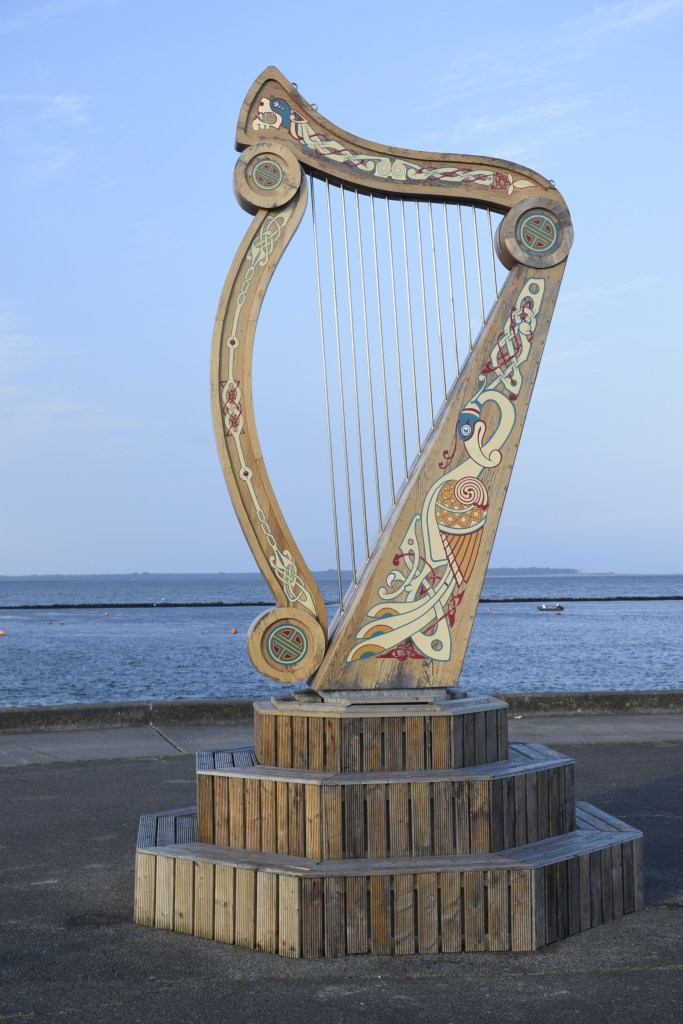
We bowl across to Ferrybank Campsite in Wexford – that finger of land out in the bay, with curlews calling, Godwits pecking and Oystercatchers trilling. Just across the bridge from the campsite three church spires pierce the clearest of blue skies. A huge golden harp marks the end of the promenade.
All around the town we find unexpected mosaics presenting us with fishes glittering in azure waters and fishermen battling the waves. I’m addicted to information boards and so our first tells us that the name Wexford comes from the old Norse, ‘Waesfjord’ which means ‘inlet of the mudflats.’ Viking boats, or Karves, could sail in shallow waters to expand their trading reach to here.
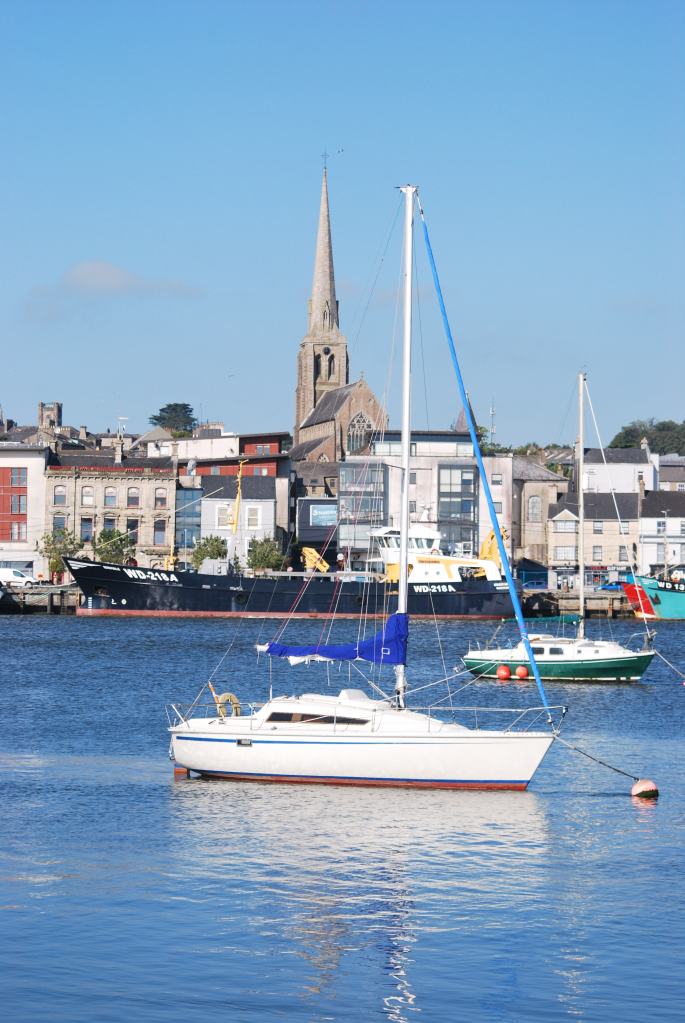
I can picture the longboats now sailing through the mist into the bay, and see the sailors rowing in unison, their horned helmets beaten bronze, copper hair blazing.
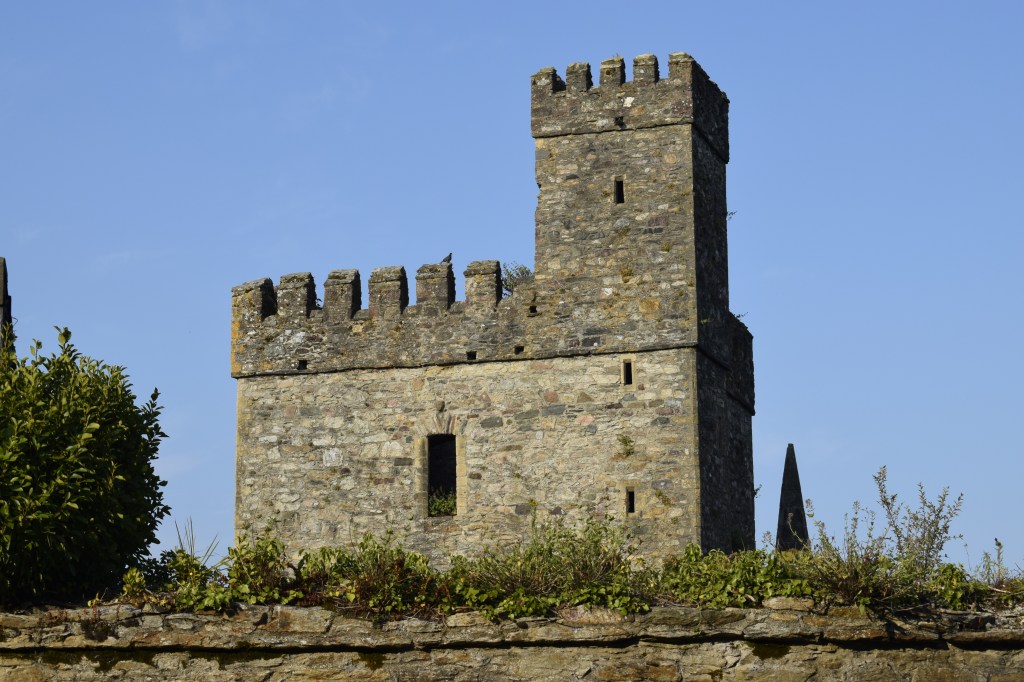
Selskar Abbey’s granite stones call us to it. A romantic ruin with castellated towers. The noticeboard tells us that Selskar Abbey’s past is entwined with a legendary love story. Alexander de la Roche, a young man of Flemish descent, fell in love with a local girl. After pledging themselves to each other, his disapproving family posted him off to fight Saladin in the Third Crusade. When word reached the young woman that he had been killed, she joined an enclosed order of nuns. When he returned, tormented with memories of his lost love, he built the abbey to retreat from the society which had denied them happiness.
There are these narrow-covered passages, from Viking times, called Keysers, that lead down to the quay. Of course, Seán wants to capture the gothic mood of them, so apparently that requires me going into one and posing. Not being a fan of dark, enclosed spaces, I unwillingly oblige and shoot out again as soon as David Bailey has captured the mood.
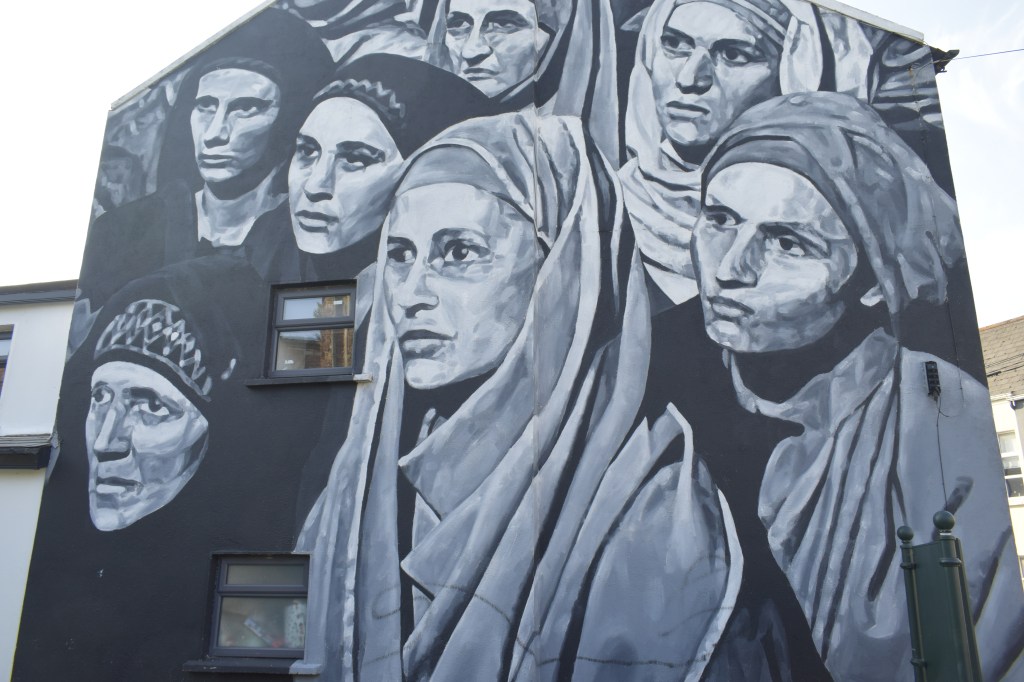
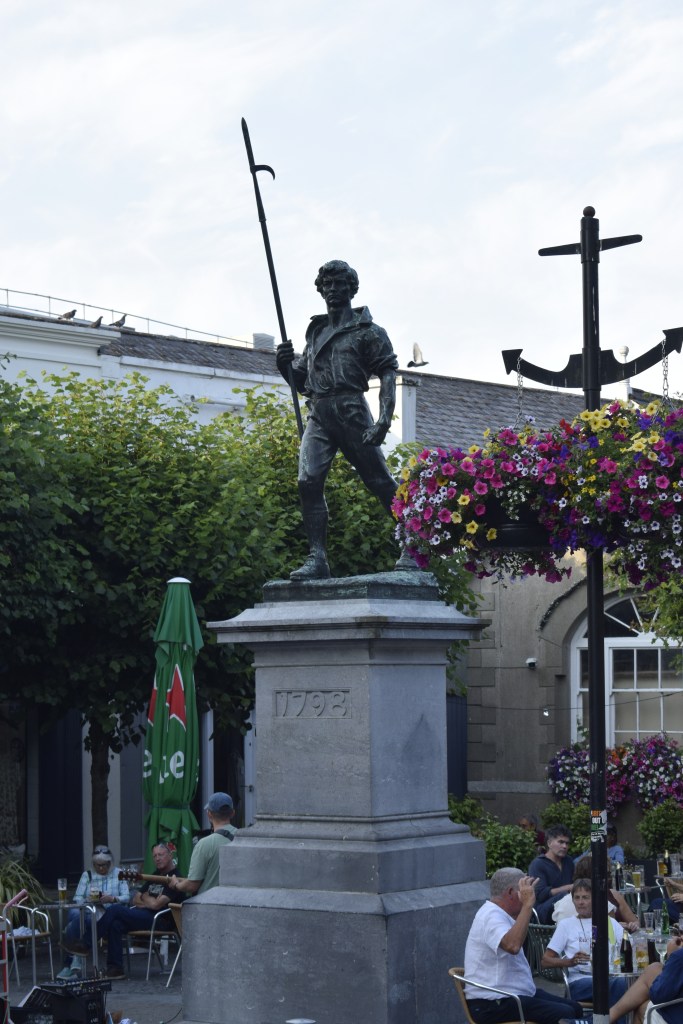
All around the town there are noticeboards about the 1798 rebellion, Wexford being the home of the Pikemen who led the charge. But, of equal importance to the town, is the life-size statue of iconic hurler, Nickey Rackard.
Wexford is heaving with Saturday Night revellers dressed in summer finery. Tables and chairs fill the pavements and squares and with the hot evening, we could easily believe that we’re wandering through a French town.
The fish restaurant on the quay, La Côte, continues the French theme as we feast on hake in a subtle curried crumb on warm tartare sauce, ratatouille and a carafe of Languedoc red. We stroll back over the bridge to the campsite, music from the pubs playing across the waters.
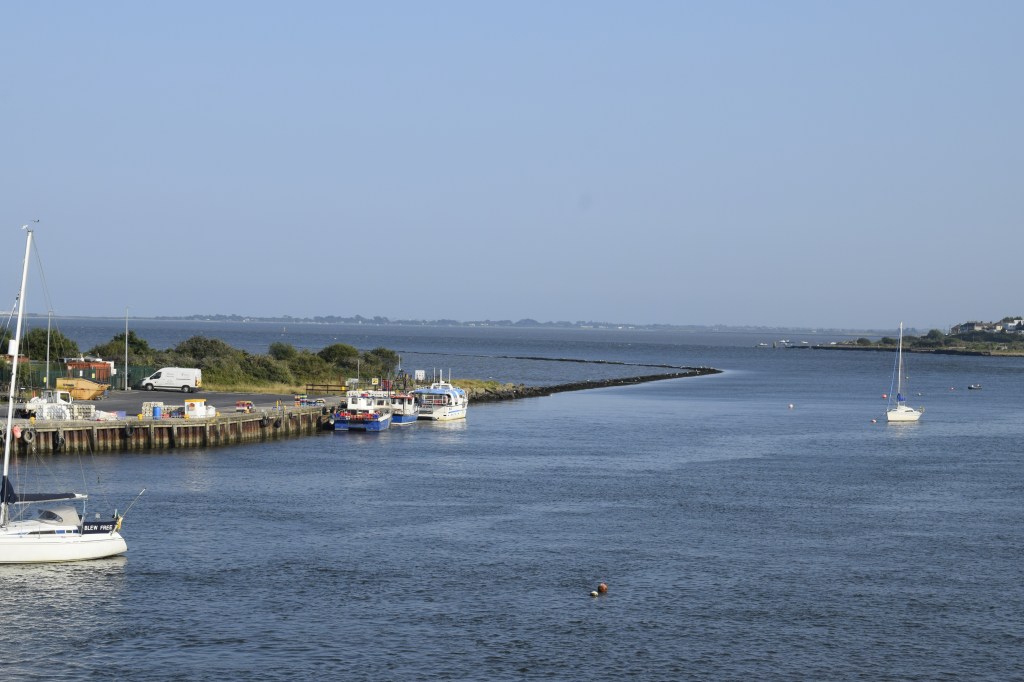
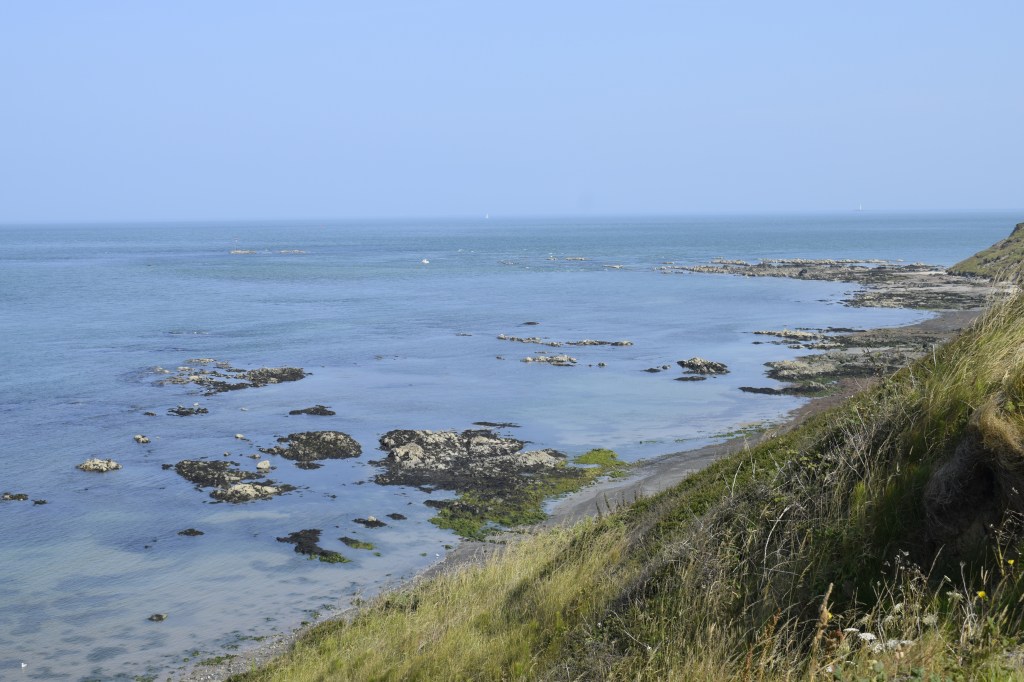
The next day we leave Wexford with its Viking and Norman past and head west for Cork’s Bantry on the Wild Atlantic Way. We cross the River Barrow on the new Rose Kennedy Bridge, the tidal river curving below us. It brings back to me childhood adventures down this river in my Uncle Jackie’s rowing boat. All along the N25 coast road, from Dungarvan to Cork we’re treated to rocky inlets; sickle shaped beaches of fine sand; lakes, and the blue Comeragh mountains. After Cork the scenery becomes more rugged, the sandstone rock rising up through lush fields until we reach the grandeur of the russet hued Shehy Mountains.


Leave a comment