As we stop by the rugged Cousane Gap through the Shehy Mountains, we’re surrounded by ferns, bracken and blue hued hills. A noticeboard provides two explanations for how the gap formed: the scientific one, and the mythic. My scientific partner-in-crime favours the version whereby ice from the last Ice Age carved the gap. I favour the myth of an enchanted red deer splitting open the mountain to escape a band of hunters.

The 1.85 metre ‘gallaun’ (standing stone) and the five-stone circle overlooking the pass tells of a time of pagan rituals and ancient tribal territories. Because of the area’s propensity to provide us with forty different weather systems in a day the gap is also famous for rainbows, complete with the legend of the crock of gold at the end of them.

More chilling, in the 19th century, body snatchers travelled this inland route with stolen bodies for Cork’s Medical School.

As the van meanders down the R585, we pass ferns waving from the hillsides, bird’s foot trefoil and wild carrot in the ditches and wild roses rampaging through hedgerows.
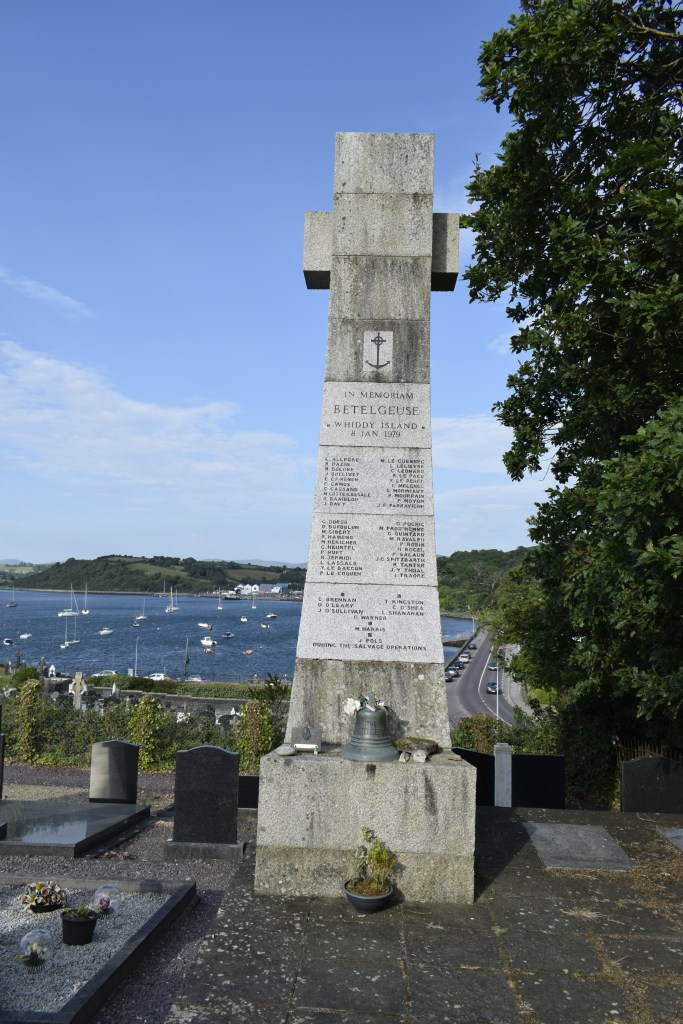
In Bantry’s Abbey Cemetery, we read of how in pre-famine days this land of plenty was perfect for growing potatoes, the diet supplemented with seaweed, which led to one of the densest populations in the world at that time. As we stand under the Celtic cross marking the famine mass grave we learn of how this area was one of the worst hit. It seems ironic that the setting sun casts a beautiful array of violet and pink onto the bay’s waters.
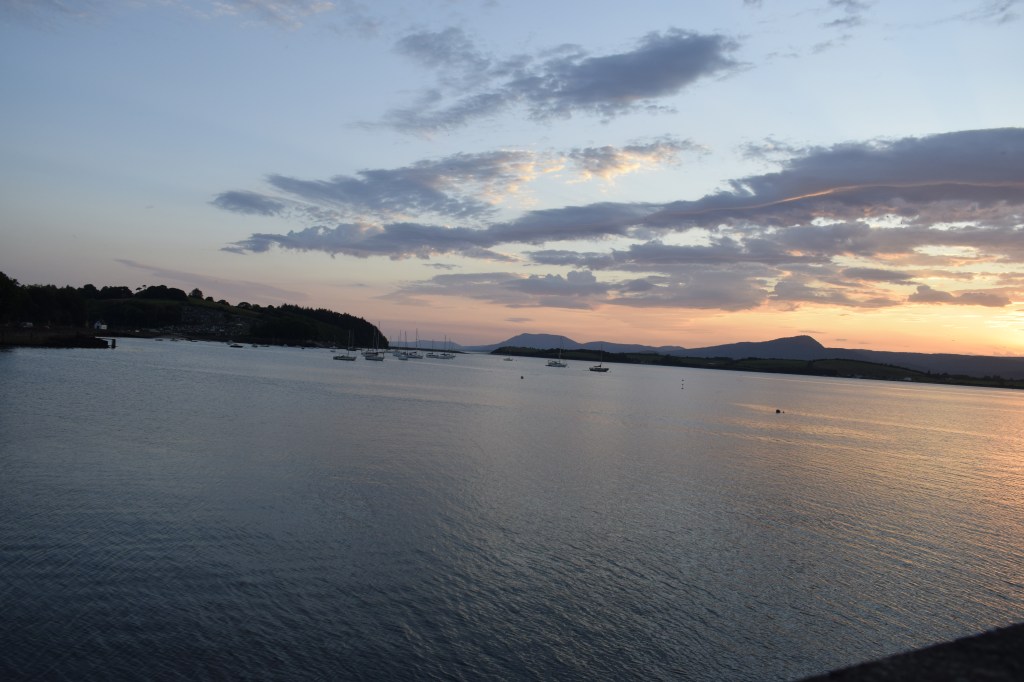
We eat our supper watching the reflection of the clouds and white sails in the still waters from our camper stop on Bantry’s quay. Whiddy Island the centre of Bantry Bay, is home to mussel growing and an oil refinery. Abbey Cemetery holds a sad story in its monument to the oil tanker, the Betelgeuse, and its 1979 explosion, just off Whiddy, claiming fifty lives, including French sailors and local rescuers.

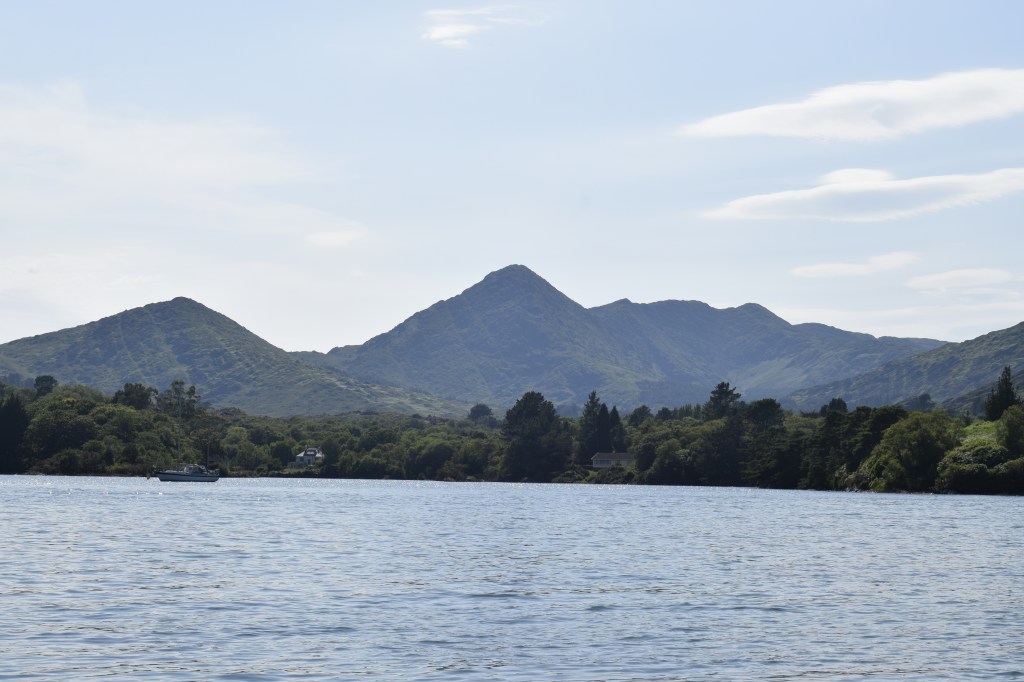
We stroll out, enticed into the bars along the main street by the music wafting out on the evening air, but wake to the rugged peaks of the Beara Peninsula, the wonderfully named Sheep’s Head Peninsula and the jagged Caha Mountains.

Myths call to me again about this rugged landscape, with a noticeboard telling me of the Beara Peninsula’s Divine Hag, an Irish Goddess, a ‘Cailleach’ literally meaning the veiled one. She was thought to bring winter to the Beara Peninsula as she lamented the loss of her youth. When she shook it off, her youth returned and she gave birth, in successive lives, to the local clans.
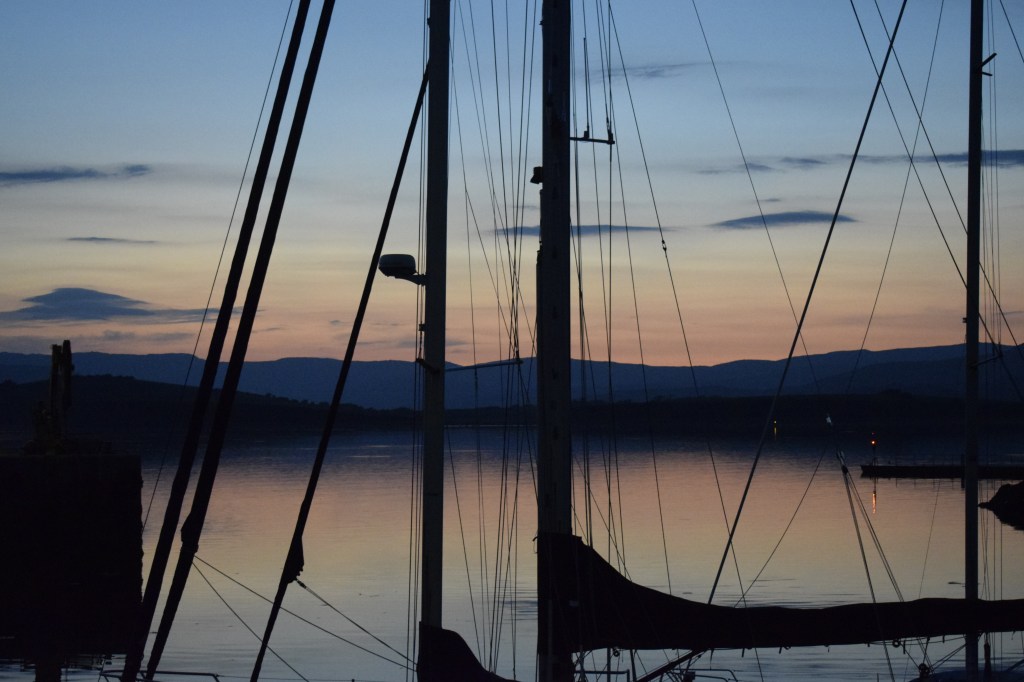
But it’s not only myth that runs through these hills and waters, but history too. I can almost imagine the French warship sailing into the bay in 1798 to aid the famous rebellion. Even more haunting is the knowledge that the frigate, La Surveillant, lies wrecked beneath the very waters where we’re camped. As wind whines in the sailing boats’ rigging, it’s easy to imagine it’s the moans of the drowned sailors.

 Campervan Therapy
Leave a comment