We bowl up to our favourite Umbrian campsite, Kursaal. Think peach coloured villa, dark green shutters, balconies, surrounded by lush lemon and orange trees, towering pines and holm oaks. Campers pitch around the hotel.
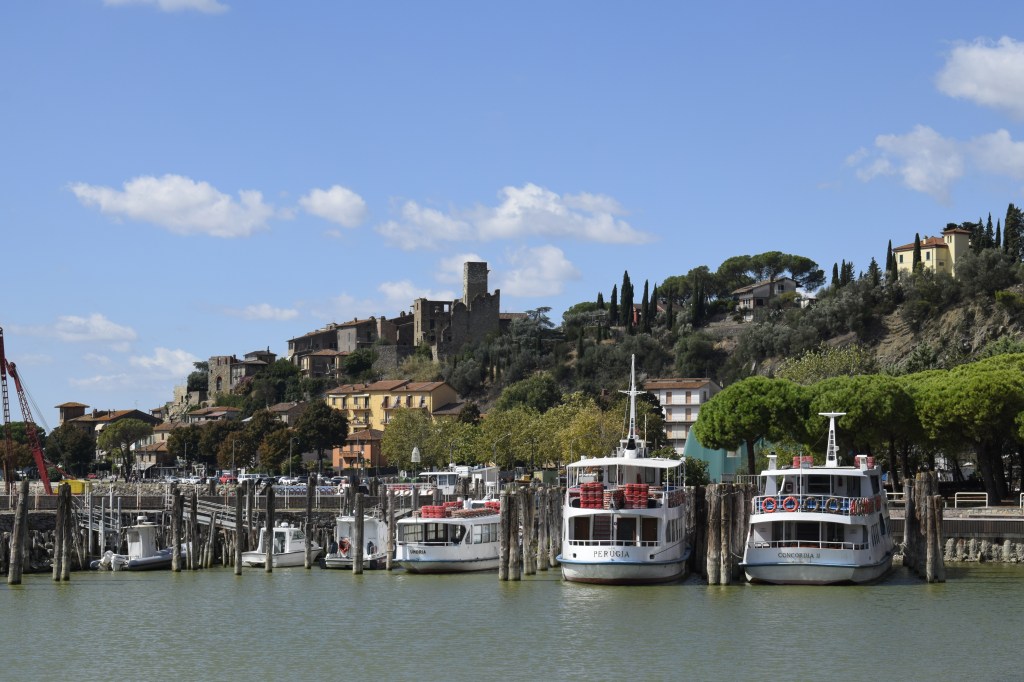
When I go for a swim, my view is the blue-hills, duck-egg blue lake. The restaurant’s fish menu offers up lake Tench bruschetta, pasta with pike in white wine. The meat menu provides Himself with pulled wild boar bruschetta, chicken with a chanterelle sauce.
The next day we catch the ferry from Passignano sul Trasimeno to Isola Maggiore, which seems to float in a soft haze, green and mysterious. Its one little village is made of stout stone, shuttered houses.
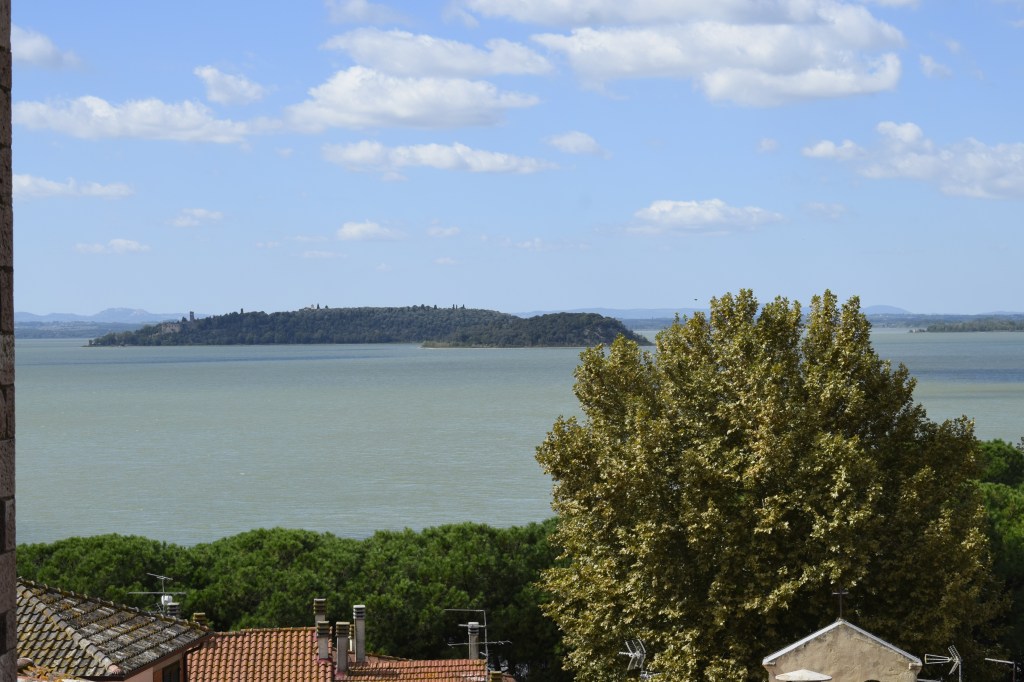
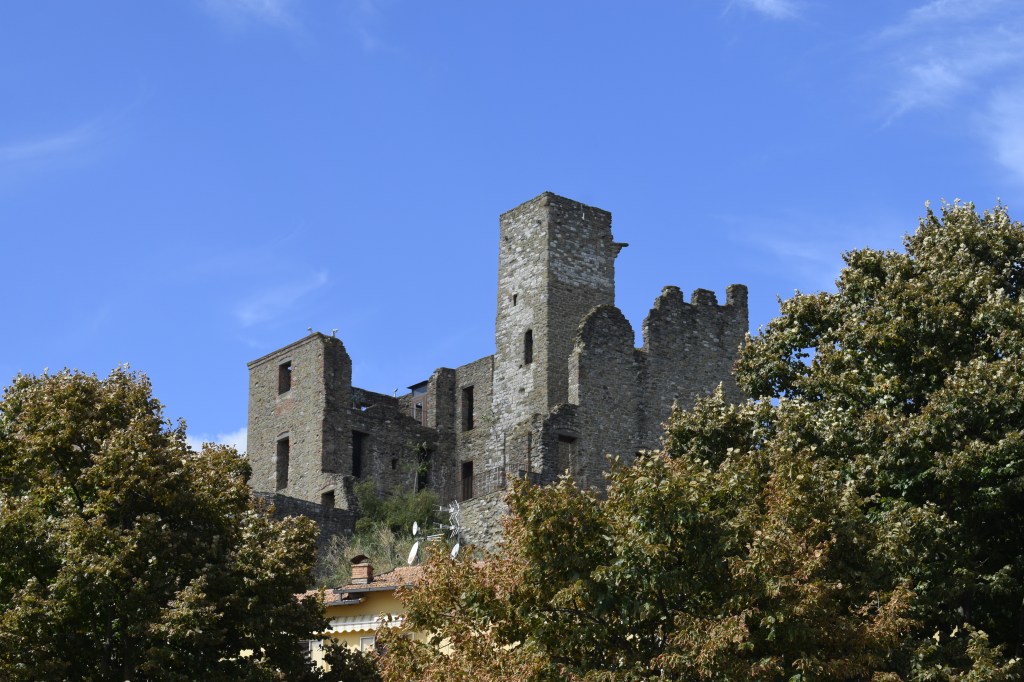
In the 16th Century, 600 people lived on the island: wealthy landowners, fishermen, monks and nuns. Now all that’s left outside of the port are ruins among the olive groves and holm oak forest.
The remains of two old windmills look more like watchtowers than mills adding to the haunted feeling on the island. It’s hard to imagine people grinding their wheat and olives and the island bustling with life.
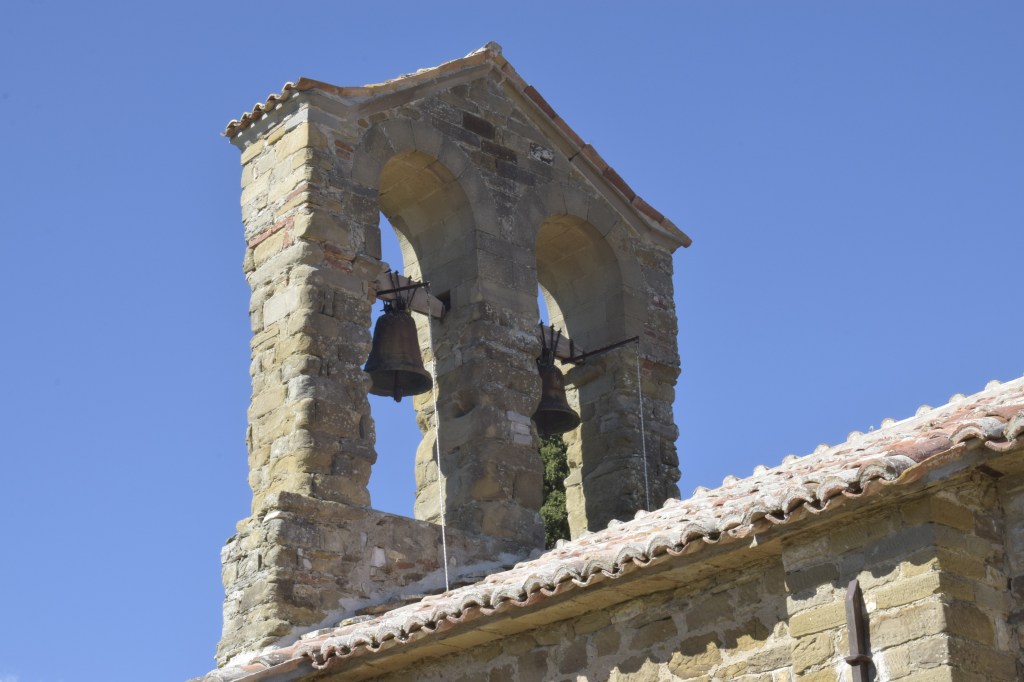
The windmills were destroyed when Pope Benedict X111, in 1725, seized the property of the Brotherhood of Santa Maria and the island was almost abandoned.
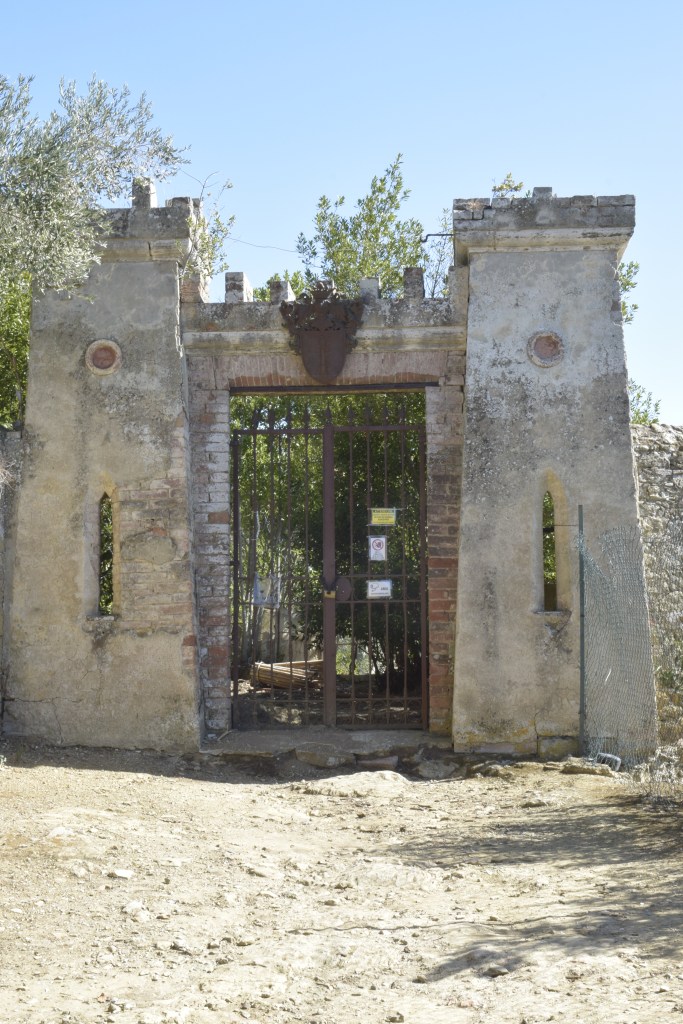
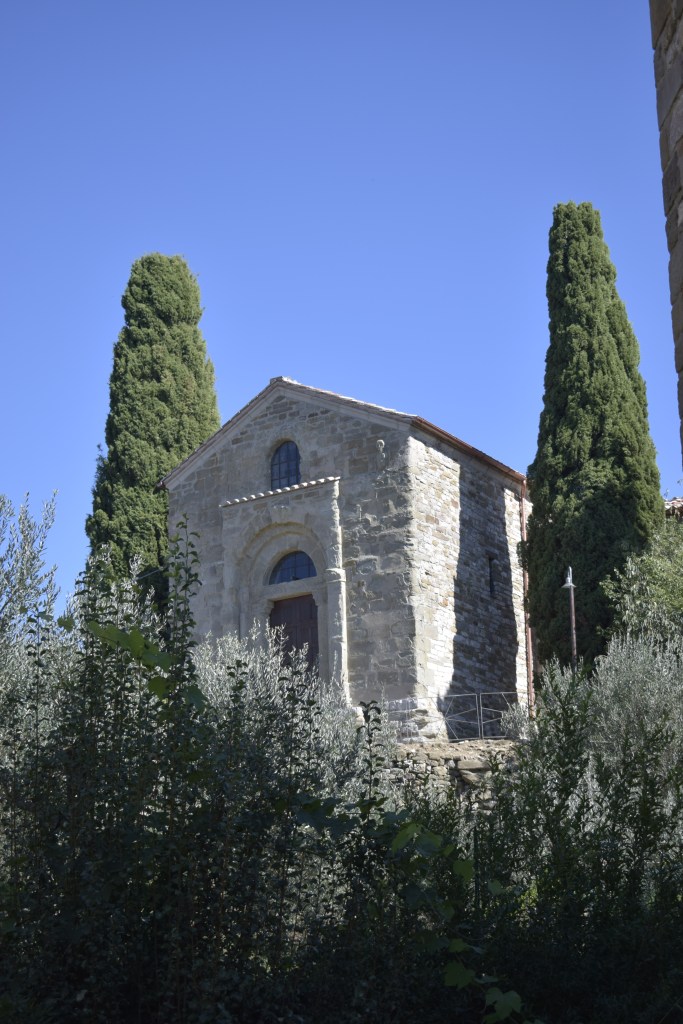
We follow the walking trail by 12th Century Chiesa di San Salvatore, with its carved, arched doorway, sunligh playing on the butter-coloured stone.
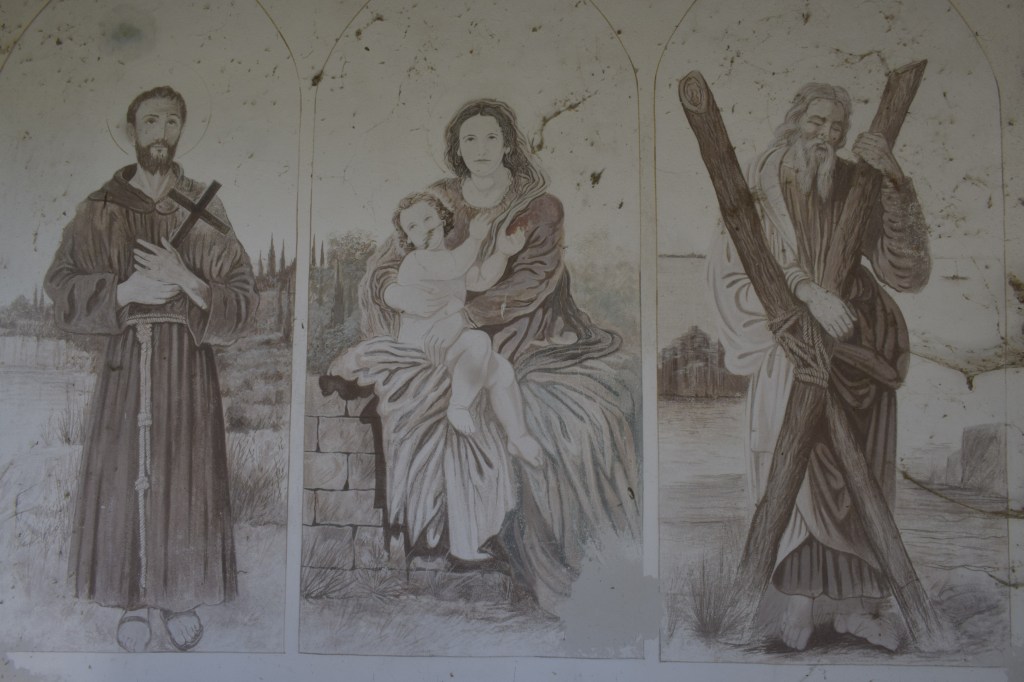
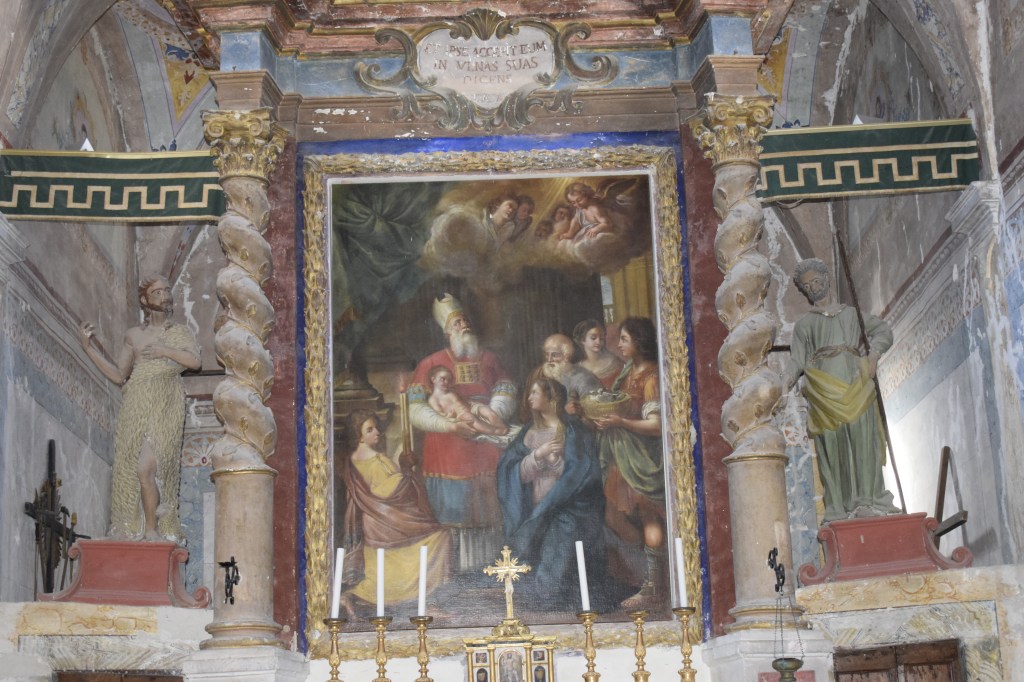
On we trek, through woods and groves, pheasants running from us, to 13th Century San Francesco Church. Inside this church the frescoes are still vivid in blues, greens, and reds.
Saint Francis of Assisi is big news as he was said to have spent the 40 days of Lent here, giving rise to many sacred places: from the well he was meant to have dug, to the rock which is said to hold impressions of his hands and knees as he landed.
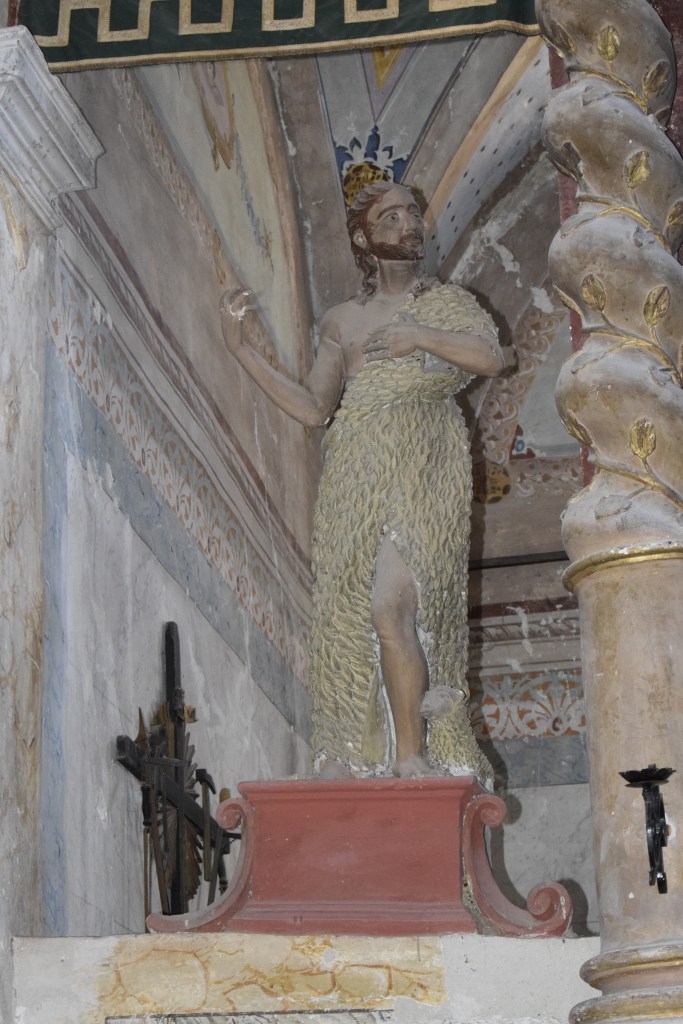
The monastery became a grand palazzo in the 18th Century, but today it lies secretive behind tall walls at the tip of the island today. We peer through at its towers and turrets.
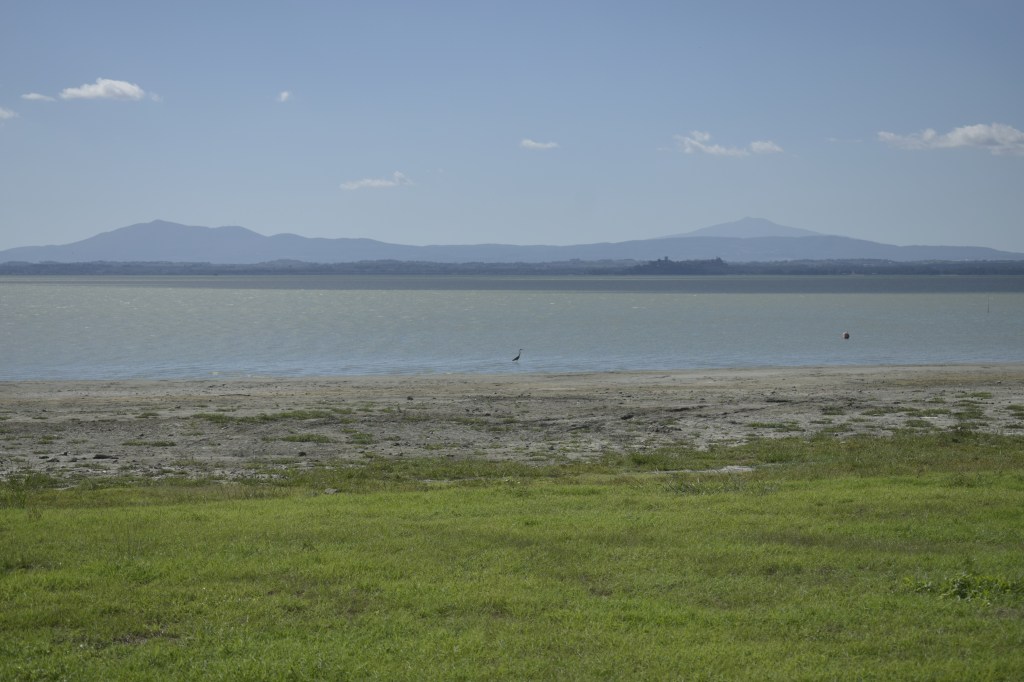
Lago di Trasimeno also offers perfect cycling along dedicated tracks edging the lake, running through meadows, by fields of vegetables, olives and fig trees.
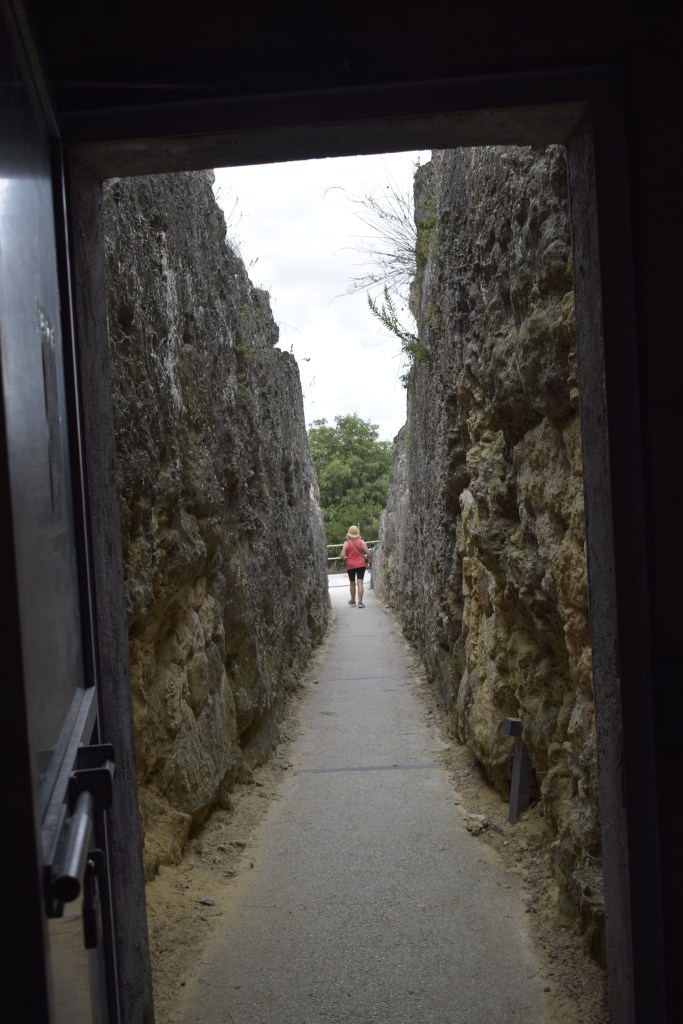
We’re due to catch the ferry from Civitavecchia, just north of Rome, to Barcelona but we can’t leave Italy without a visit to Tarquinia’s Etruscan Tombs. Set in rolling countryside, the ochre soil ready for planting, the tombs have long corridors cut into the volcanic rock.
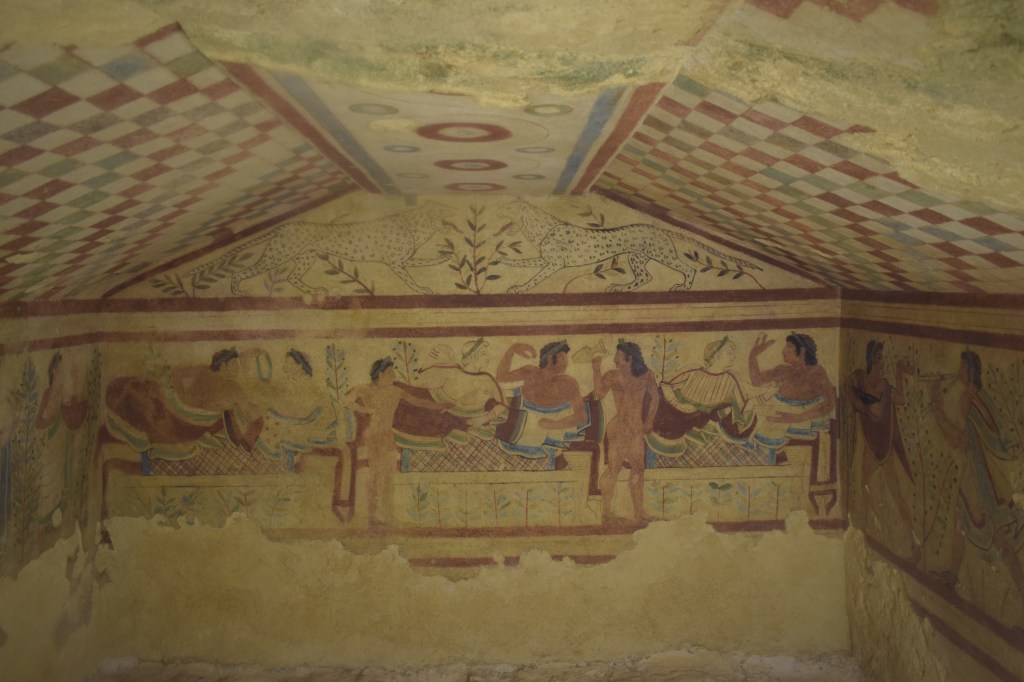
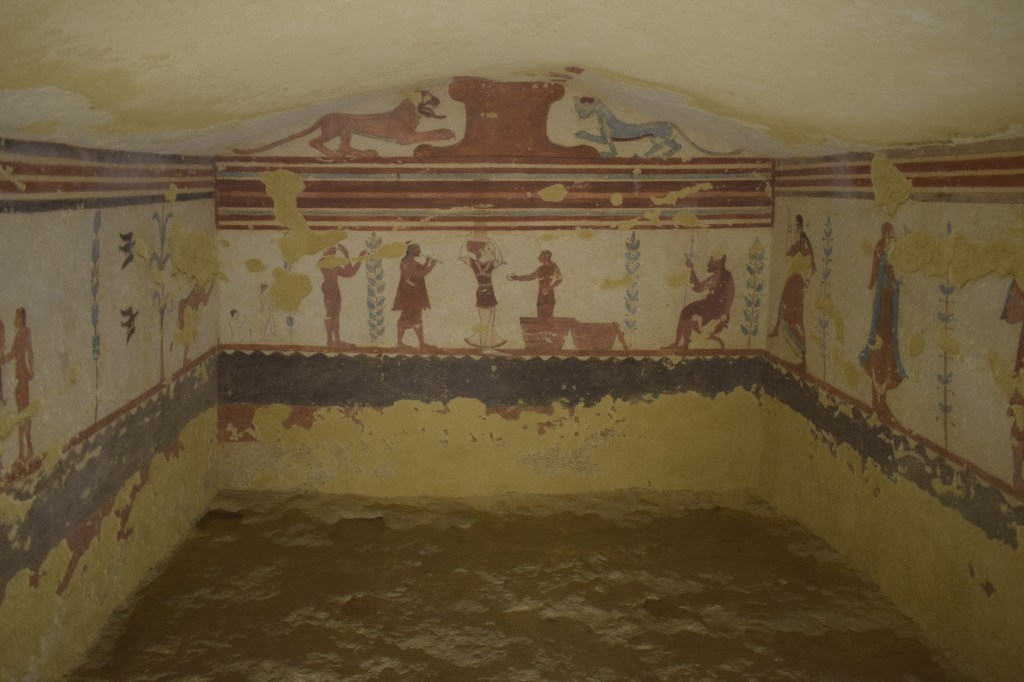
Inside they are painted with vivid scenes of hunting, warriors, feasts, orgies, Bacchanalian cavorting, naked young servants holding platters for the wealthy grave owners lying about waiting to be fed. Orchards and doors feature in the frescoes, the doors representing the path to the afterlife.
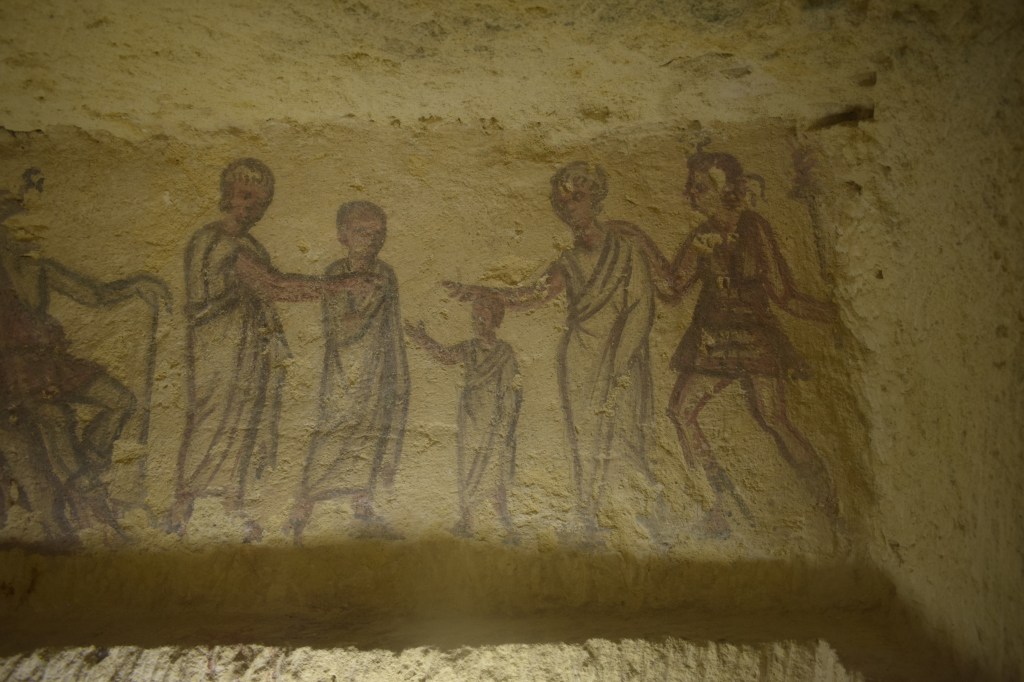
Ancient Greek tomb painters travelled around the houses of Etruscan aristocrats, painting frescoes and tombs in the necropolis. These frescoes certainly make Emily Wilson’s translation of Homer’s Odyssey I’ve been reading come to life.
Towards the start of the Roman Empire, the orgies fade, and blue devils make an appearance as well as Charon rowing the rich to Hades. These tombs are a remarkable glimpse of the philosophy, art and beliefs of these people long dead.


Leave a Reply