We leave Cashel in Tipperary and drive along the River Suir, through Clonmel and Carrick-on-Suir, a route that connects historic sites such as Cahir and Ormond castles. The river valley itself is tranquil with kingfishers and herons swooping over its waters, wild salmon swimming, and kayakers paddling down it.
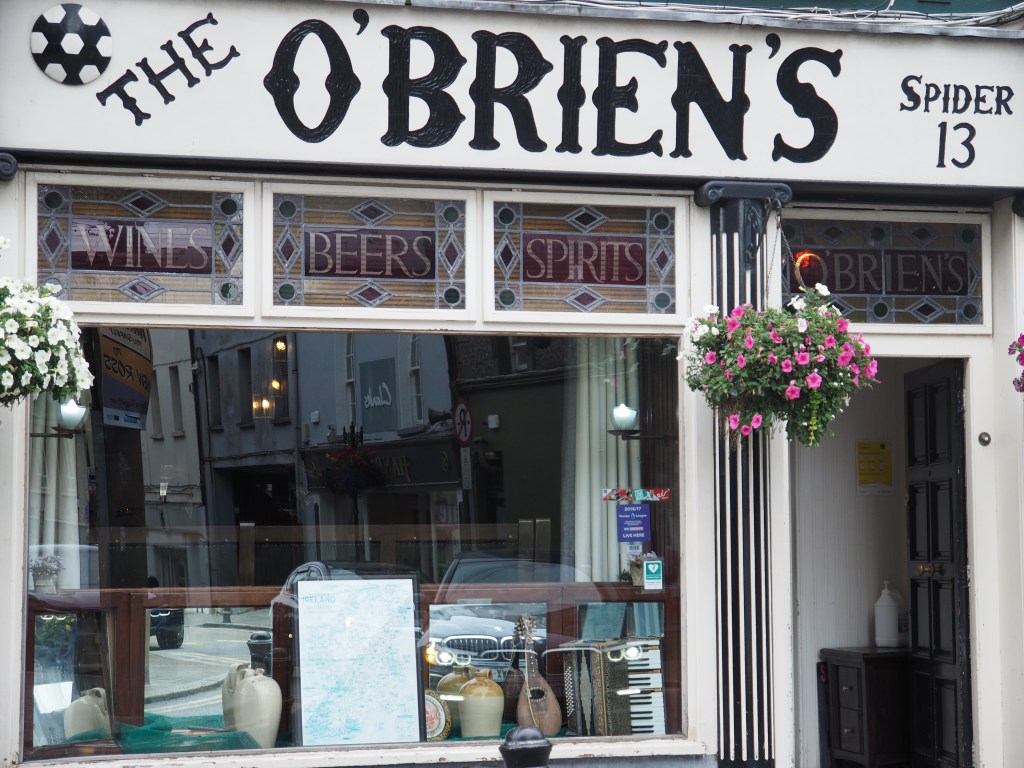
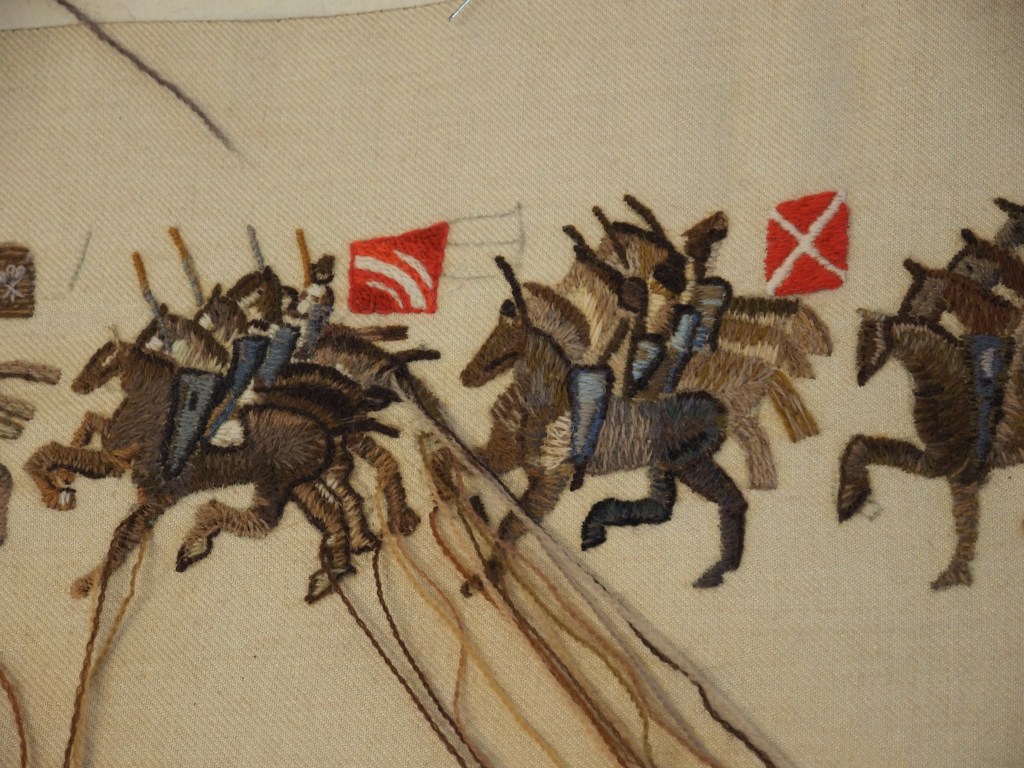
We swing by New Ross on our way to Kilmore Quay to see my cousins and auntie. New Ross is a lynchpin in the Norman History of Wexford, its port developed by William Marshal and his wife, Isabella de Clare. It quickly became a major medieval commercial hub, generating revenue from wool and wine. This Norman history is captured in the Ros Tapestry, embroidered by local women, inspired by the Bayeux Tapestry.
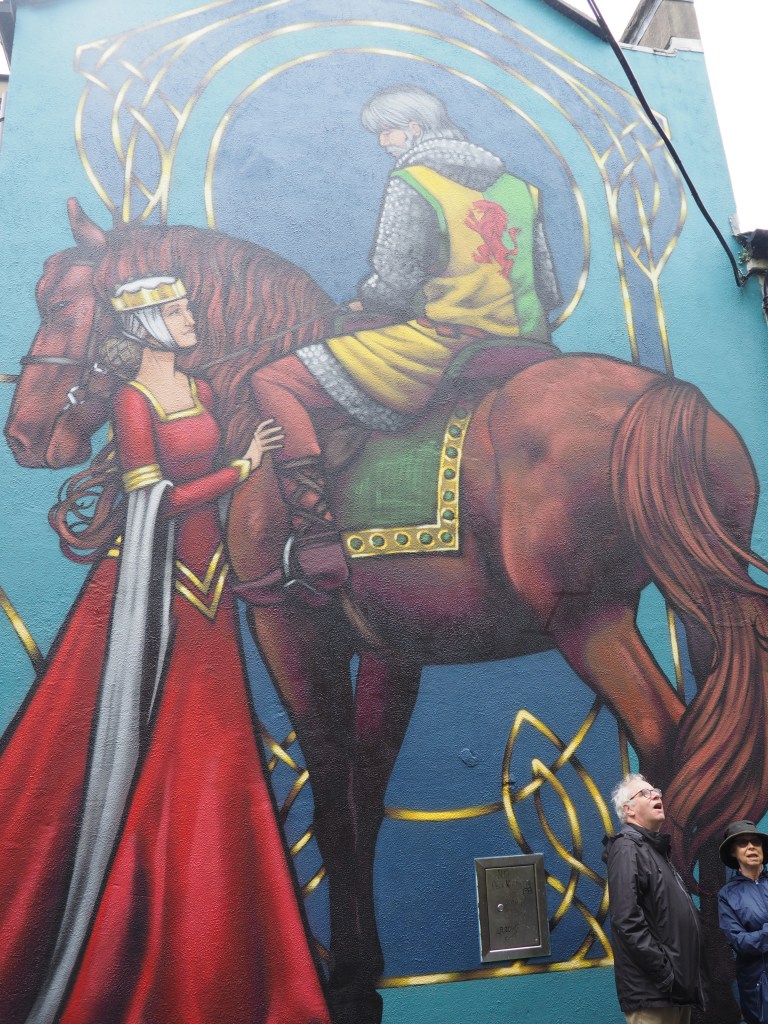
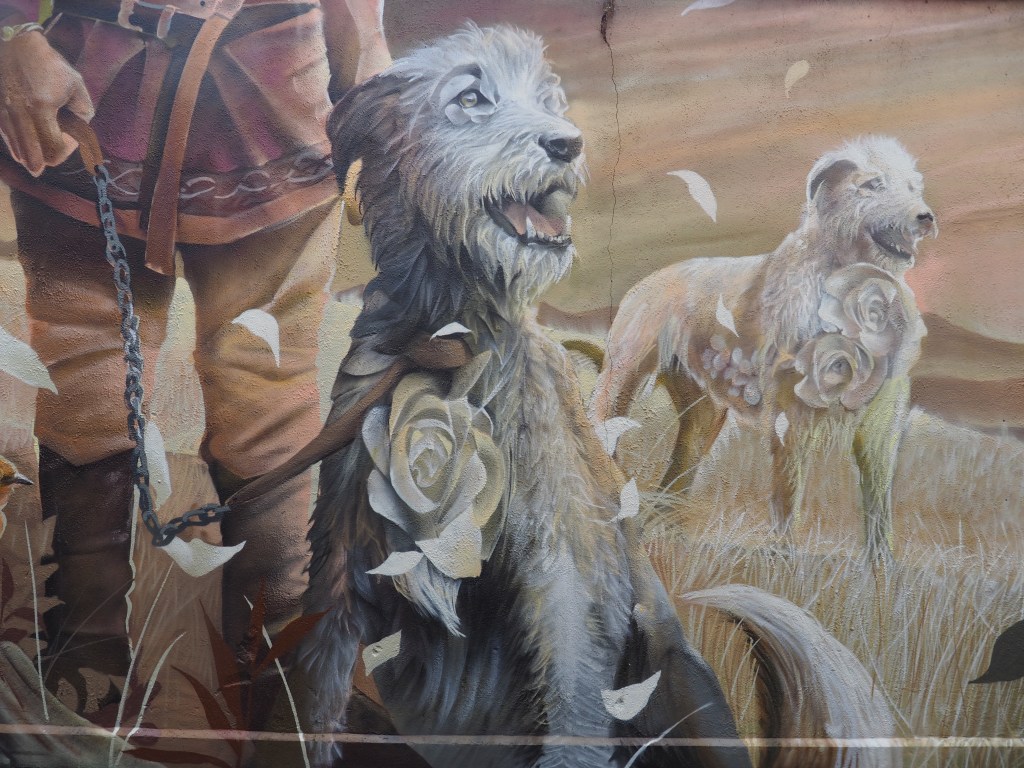
The town is full of stories and histories, such as Cromwell capturing it in 1649. Later in 1798, local pikemen waged battle in the rebellion. Dramatic events are captured in the huge, vivid murals, and historical walks around the town.
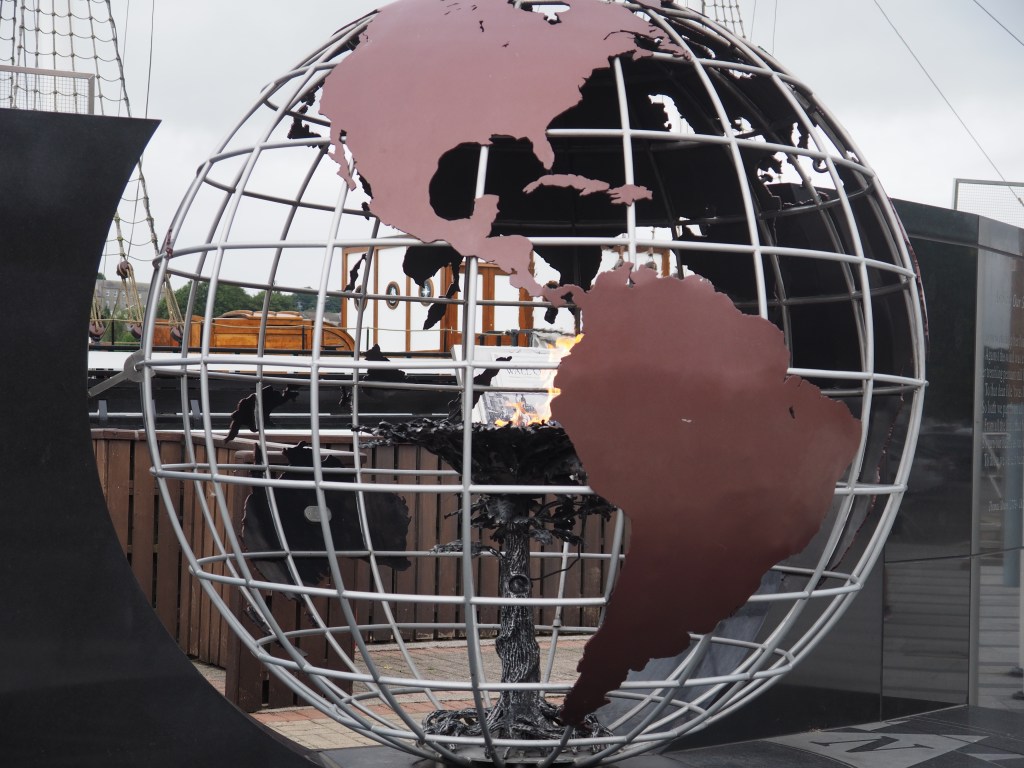
The Quayside houses the Emigrant Flame and the Dunbrody, a sea-going replica of an 1845 masted barque. Our tour guide, in 19th Century costume, relates tales of the exodus of emigrants in the Great Famine.

I’m relieved when the Mrs O’Brien from Mary Street where my dad, another O’Brien, was born, proves to have nothing to do with us as, apparently, she was a dreadful snob.
The new Greenway over the river, once a railway, is also a perfect cycling track. I remember as a child the whole town piling into the train to go to Tramore seaside town on 15th August’s Feast of the Assumption.
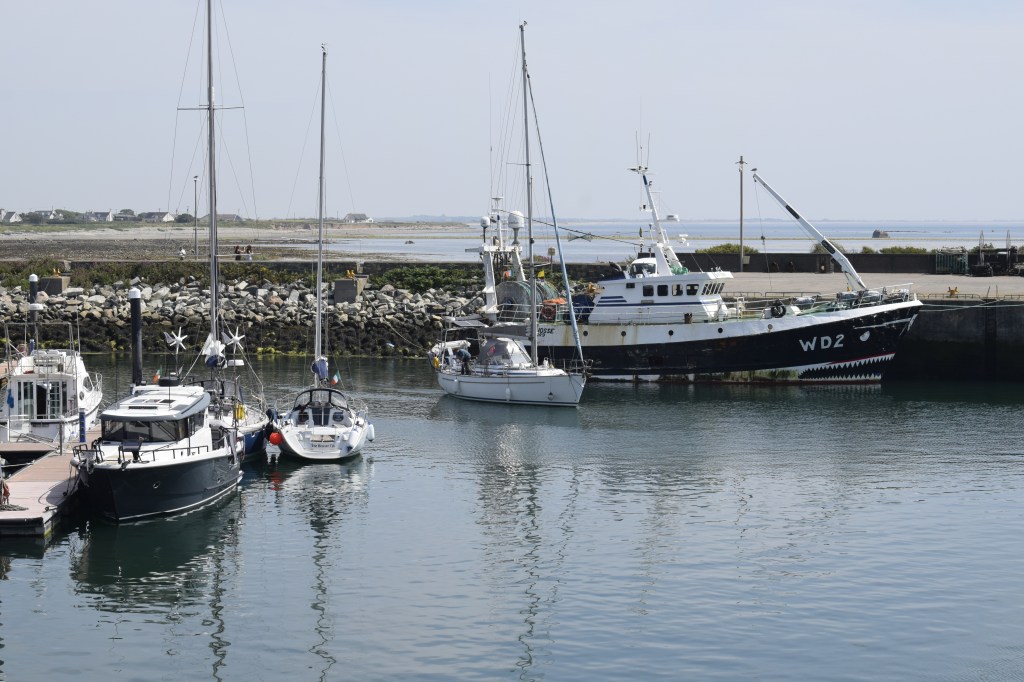
We head off towards Kilmore Quay for yet another visit – I can’t resist. The Saltee islands float just offshore in the bluest of seas today. The last ferry has gone, but their history is on the notice boards around the quaint stone harbour, full of working fishing boats.
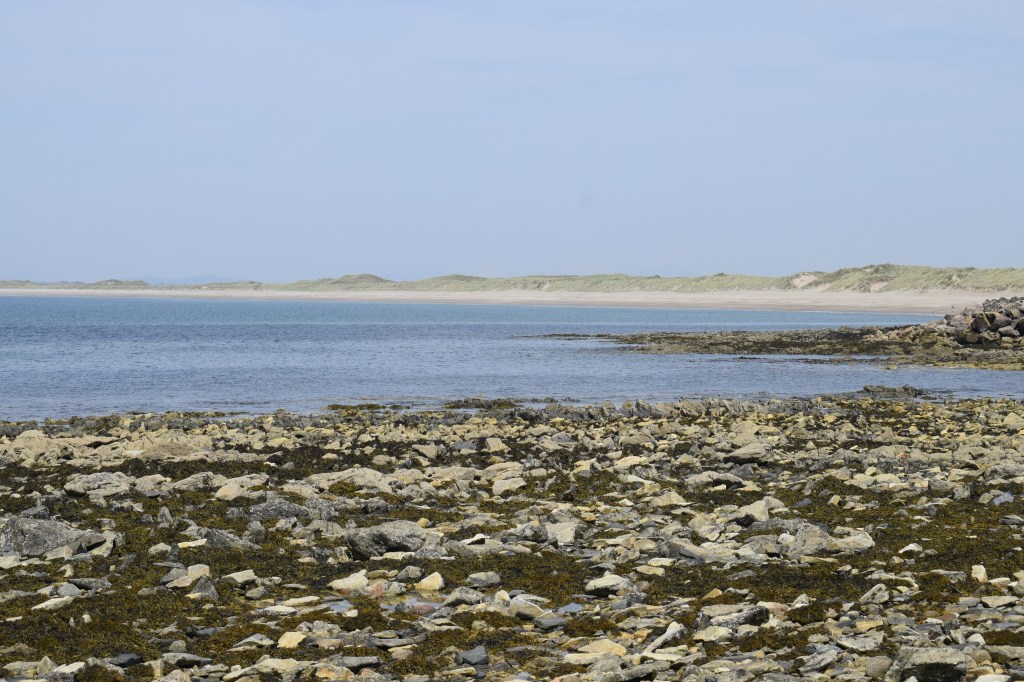
The island was once home to smugglers. The owner of the smaller Saltee island, Michael Neale, declared independence and crowned himself Prince in 1956, which had been a dream of his since he was ten years old. He also levelled a field on the island for his aeroplane to land. How many children have embraced secret islands in their adventure stories? Well, this child grew up to live his adventure story.
The Saltees are now a nature reserve for a puffin colony and the surrounding sea caves, and coastal waters provide an undisturbed environment for grey seals. Of course, I have to stroll out onto the spine of the wonderfully named Forlorn Point, where many ships met their end on lethal rocks.
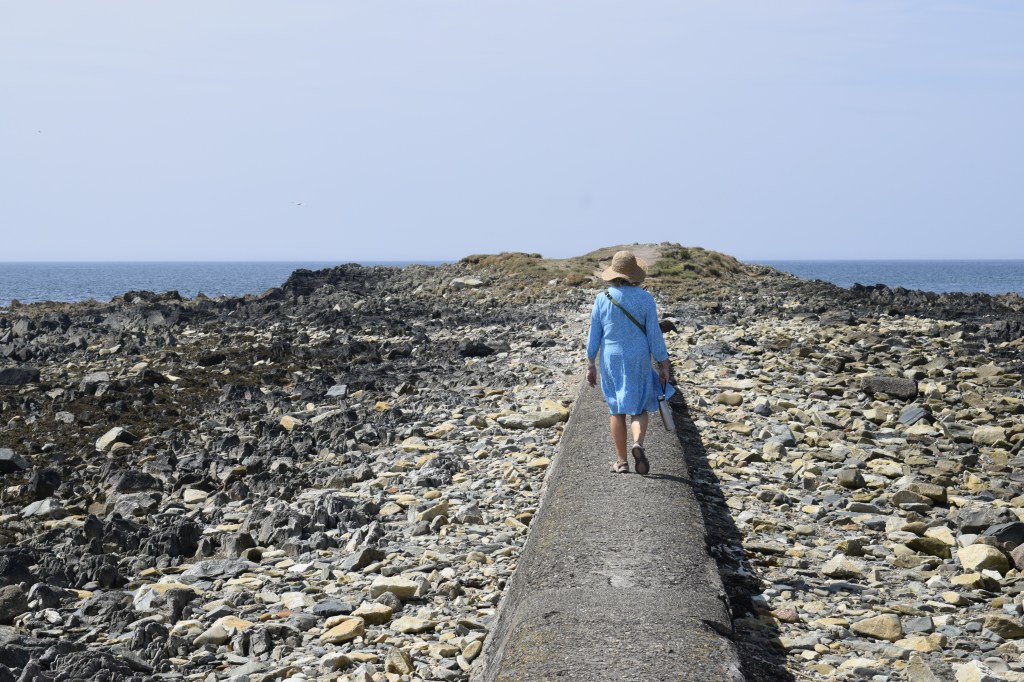
The pre-Cambrian rocks are 1,700 billion years old. It makes my head spin to think I’m standing on ground from way before Neanderthals ever stood up on two legs.
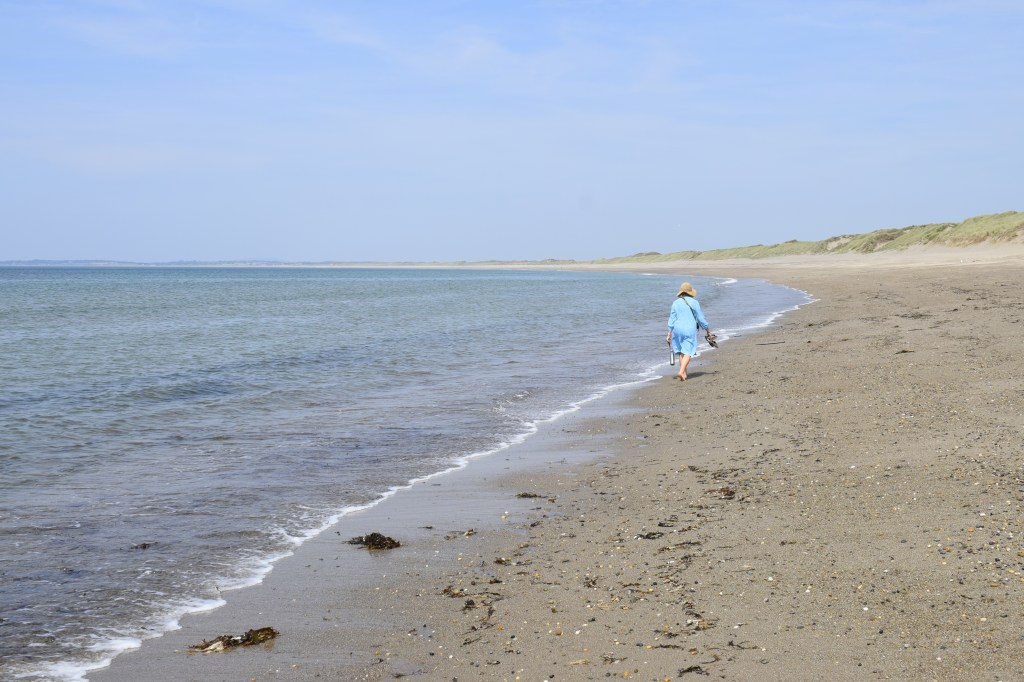
Ballyteigue Burrow, with its marram grass-topped rolling dunes and miles of fine sandy beach calls to us. As we walk along it, there’s one lone figure in the far distance and just us, the dunlins and the waves cresting the shore.
Haddock cooked in lemon butter for supper in the Saltee Chipper and music in the local pub end a perfect day.


 Campervan Therapy
Leave a comment