In the past, we’ve had a tendency to rush through Normandy to hit the sunny south, to where our battered old caravans were in storage, in France’s Loire, the Ardèche and Italy’s Lago di Maggiore. But since having our campervans we’ve learned to slow down.
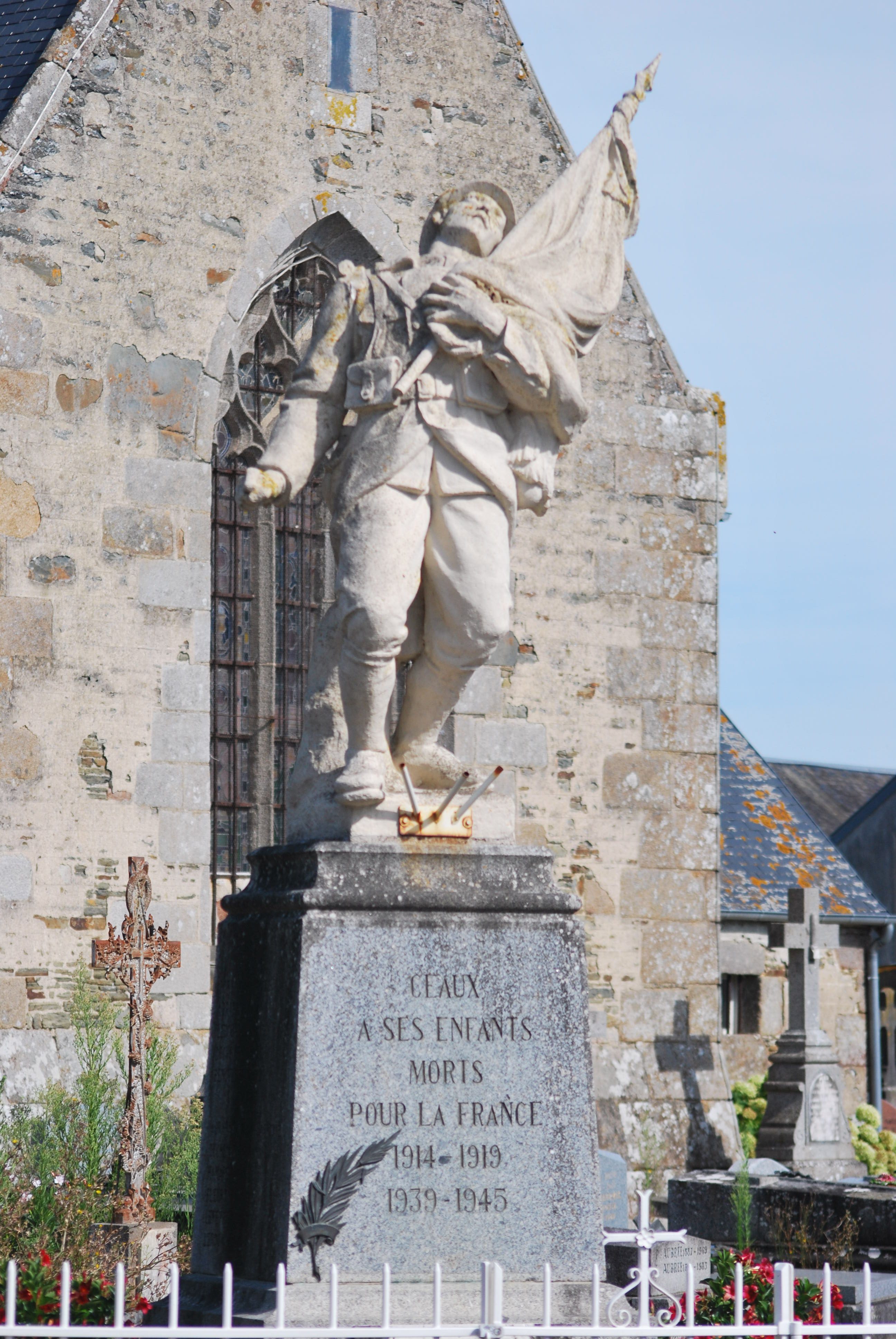
So it is that we pull into the campsite in the small village of Creux, 12 kilometres from Mont St. Michel. As we walk through the rustic village, with its stout, ancient houses, roses rambling and hollyhocks blooming, we relax into a slower rhythm. Rolling country lanes run all the way to Mont St Michel. The mystical mount topped by its spire seems to float out of the blue sea like a mirage to a tired traveller.
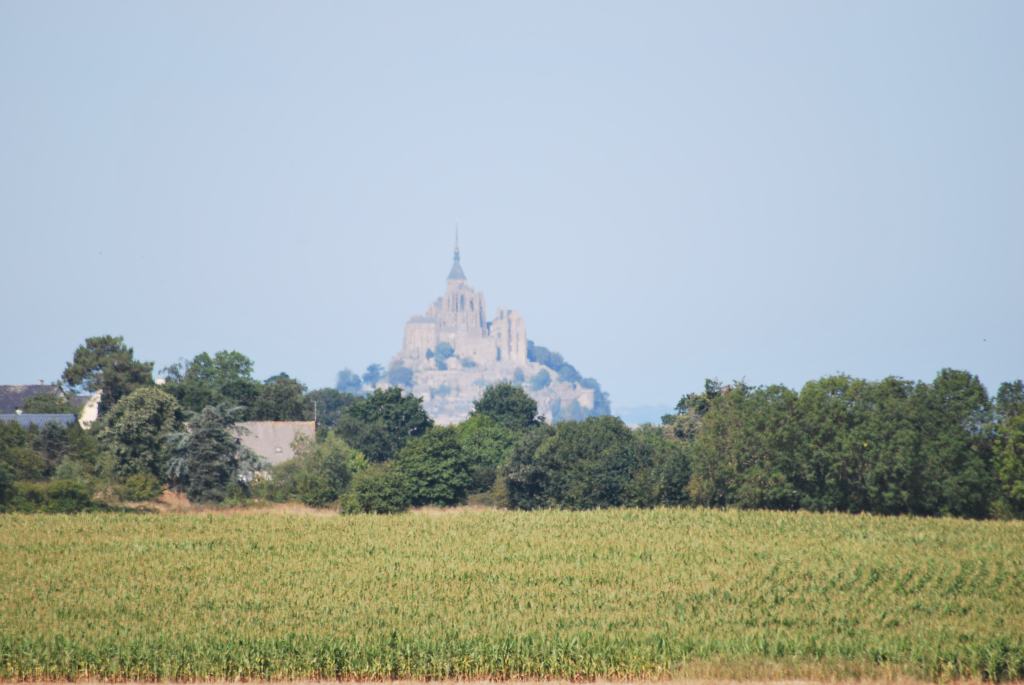
In fact, the history is no less mystic. It began in 708 AD when the Bishop of Avranches built a sanctuary on Mont-Tombe after visions of the Archangel Michael. What happened next is a little more miserable as the mount evolved from a medieval Benedictine monastery to a fortress, and a ‘notorious’ 19th Century prison.
Of course, our visit to Creux is not all rustic rambling, we’re charmed by the only hotel and restaurant in town, as its old oak dresser is typically French, the carved chairs are gloriously mismatched with some orange 1970s seating arrangements and the most eclectic set of lamps I’ve seen in some time. The food is wonderful: bacon with sautéed apple salad, salmon and hake in a creamed tomato sauce with squid ink tagliatelle – a surprise around every corner.
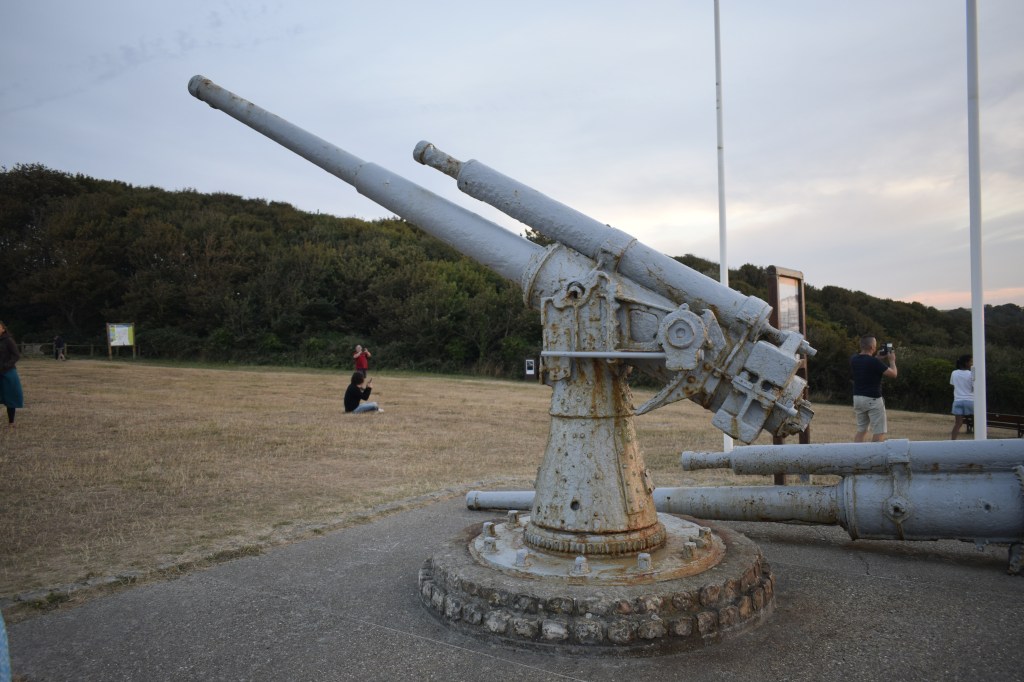
Veules-les-Roses, on the Seine-Maritime Coast calls to us. Camping Seasonova Les Mouettes is packed to the gunnels, but we manage to bag a pitch. We meander off over the road to the gun emplacement looking out over the Channel, a grim reminder of World War II and all the French and British soldiers trapped on the top of the cliffs in full range of German gunfire. We learn too of the random selection of vessels which came across to evacuate the soldiers, some of whom abseiled down the cliffs, on makeshift ropes, moving targets to strafing.
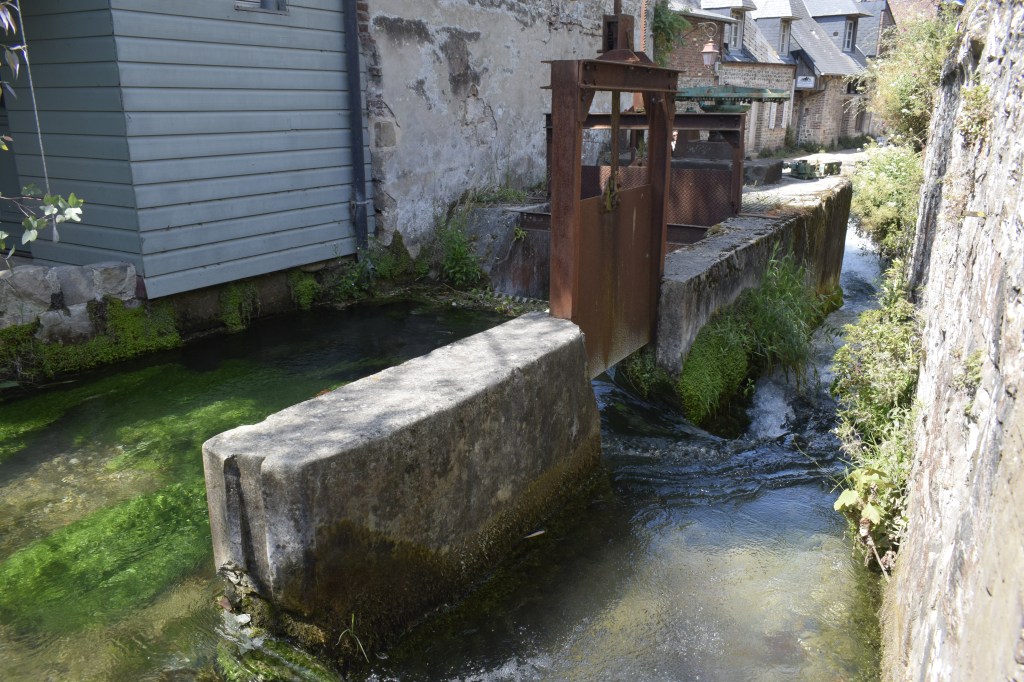
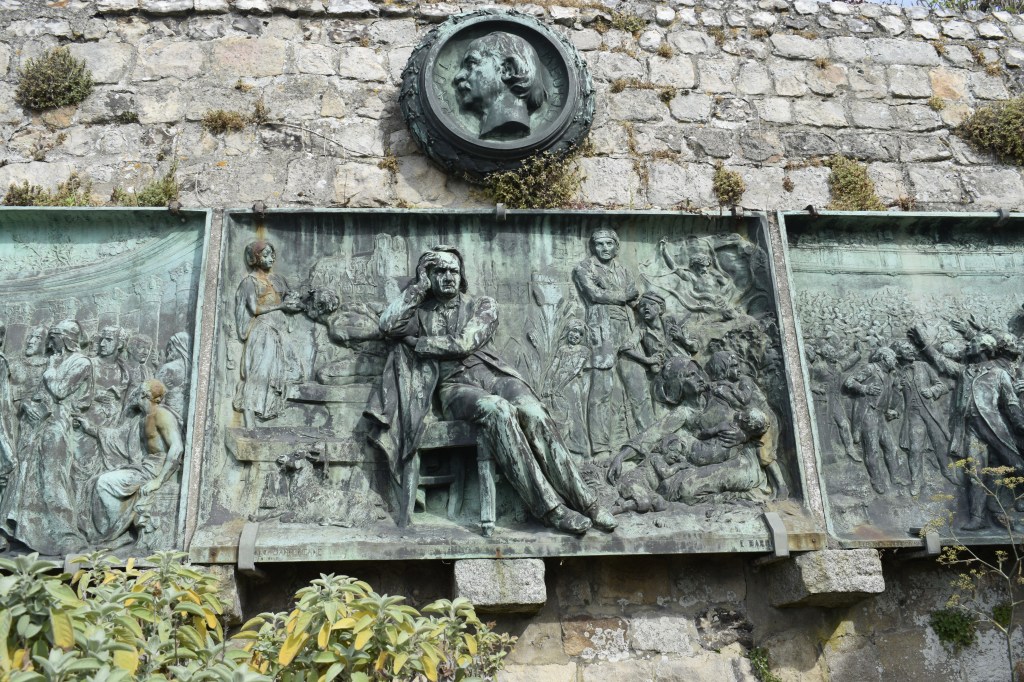
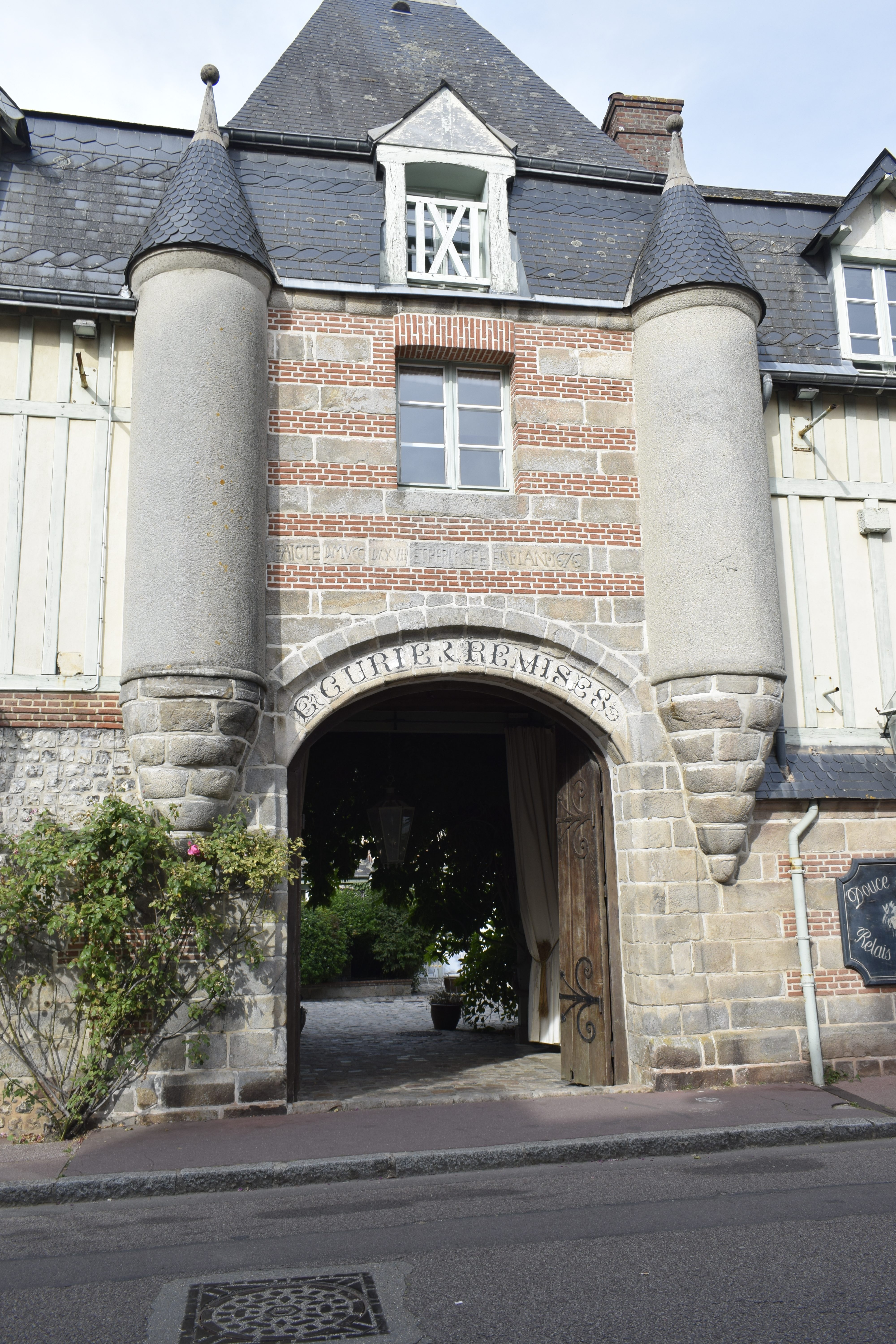
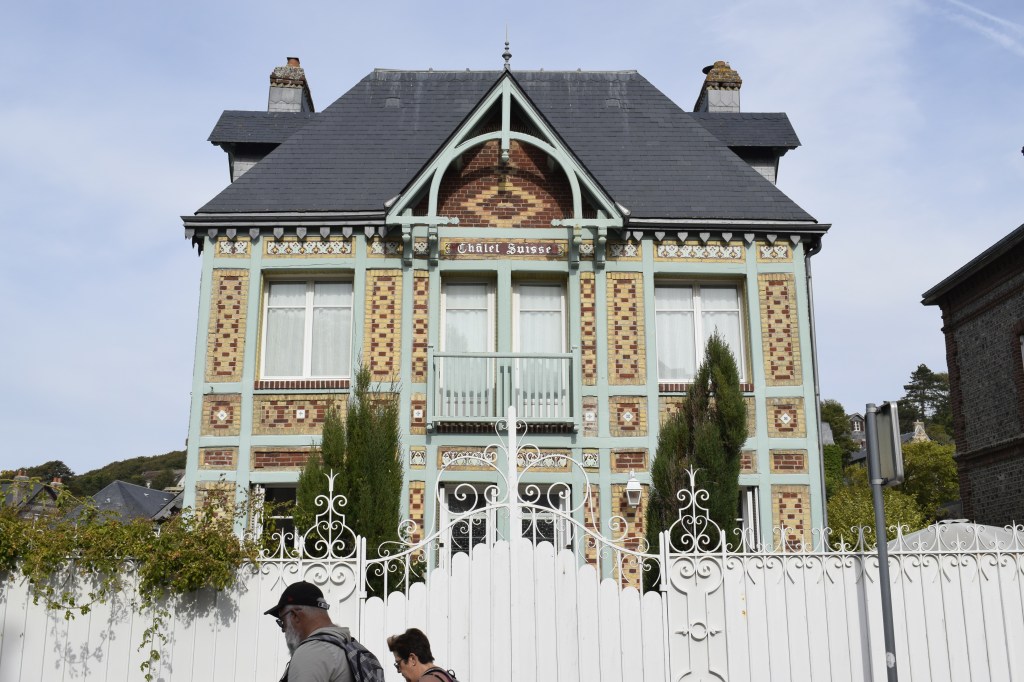
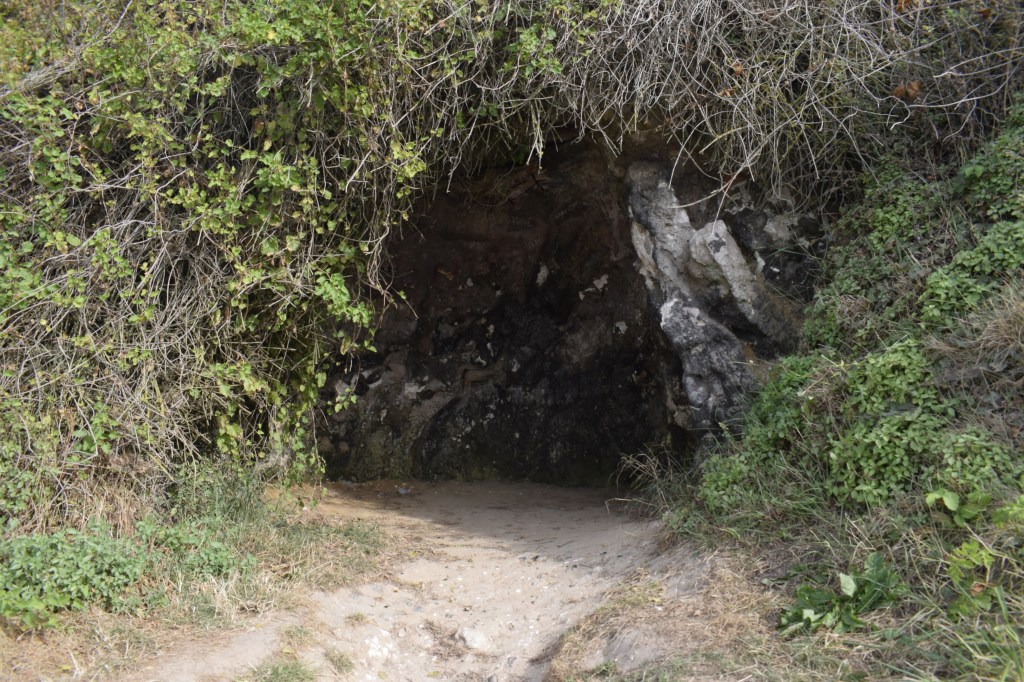
As we follow the track down into the town, it’s a little more uplifting as the stone houses are postcard pretty, seaside blue balconies contrasting with the stout stone. We read of how Victor Hugo visited his friend often, writing sections of his famous Les Misérables while he was here. We even clamber up to sit in his cave where he gazed out at the waves. Alexandre Dumas and Guy de Maupassant also found inspiration here.
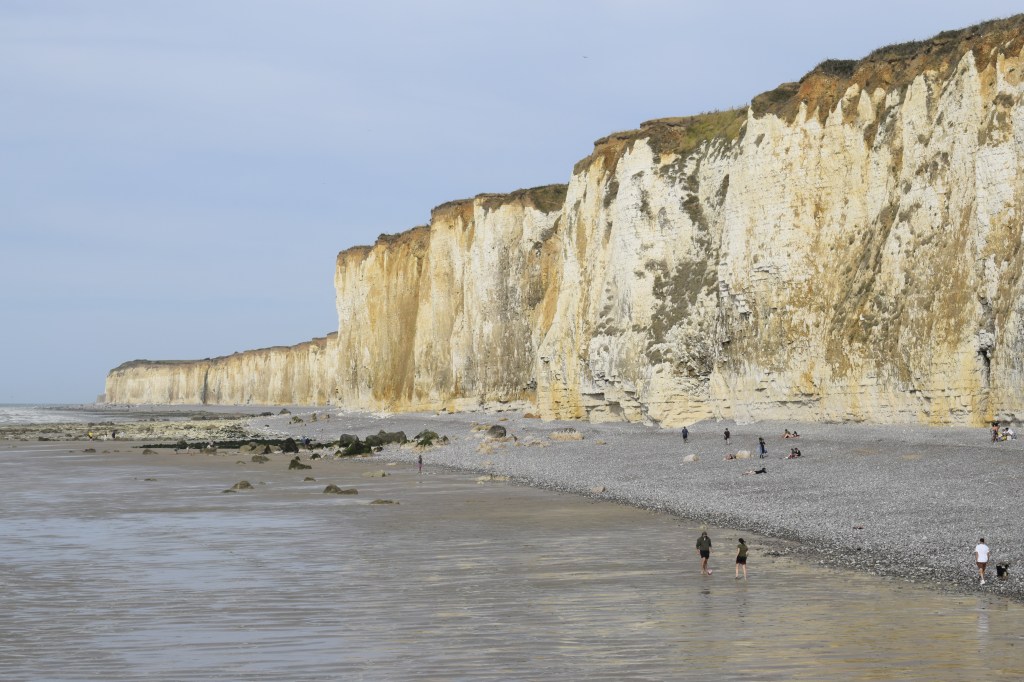
Impressionists Claude Monet and Alfred Sisley captured the Alabaster Coast and its famous light too.
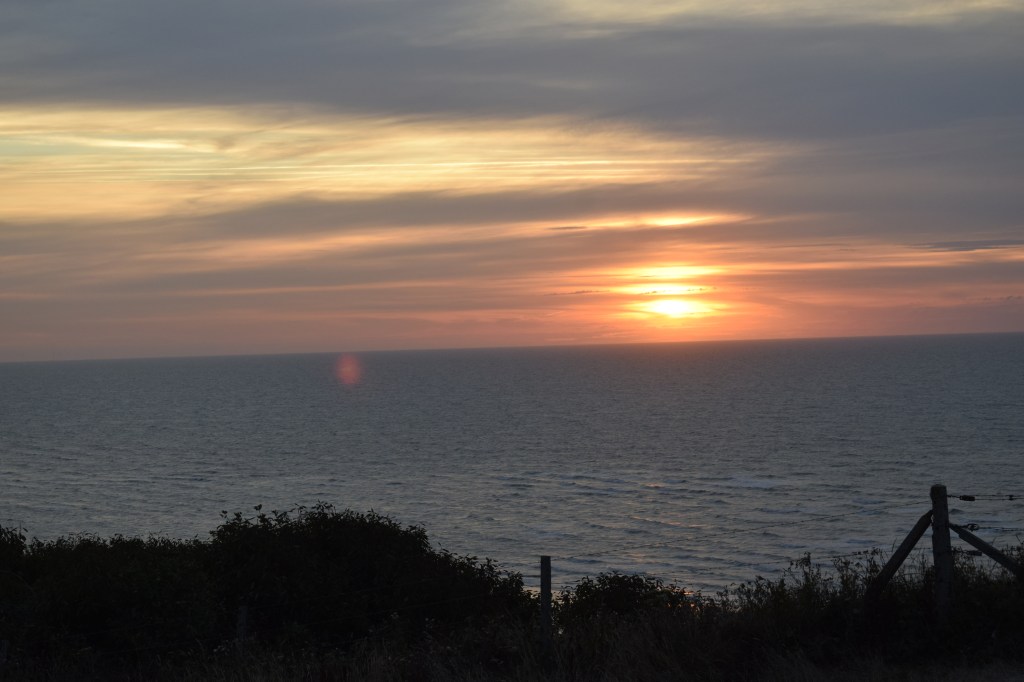
The Seine-Maritime walking trail takes us up along cliffs, through woods and wheat fields, the sea stretching away below us.
Our final French meal in Le P’tit Veulais is one where no reservations are taken, so the punters queue up for the evening and lunch sittings.
We’re full of respect for the efficiency of the service, with so many capable staff, working their way round about a hundred diners all in one sitting.
The goat’s cheese salad and turkey cooked in the traditional cream sauce takes us back to our first trips to Dieppe in our twenties. Normandy with its artistic heritage and food has proved it is certainly not somewhere to be rushed through.


Leave a Reply